
business resources
How to Elevate European Aerospace Sector Competitiveness?
09 Dec 2025

Europe's aerospace sector is at a crossroads, navigating a complex landscape where it must sharpen its competitive edge against global rivals. This isn't just about technological leaps; it’s about a fundamental shift in how innovation is fostered, supply chains are secured, and defense capabilities are brought up to speed. The focus—and it's a critical one—is on cultivating a more resilient, autonomous, and collaborative ecosystem to cement Europe's place in the aerospace and defense industries for the long haul.
Key Takeaways
- Championing new ventures and fresh ideas in space technology is crucial. This means creating an environment where startups can flourish and forge partnerships with established industry giants, ultimately fast-tracking promising concepts from the drawing board to the market.
- Europe simply has to get better at producing its own advanced materials and handling its own manufacturing, particularly for defense. Over-reliance on other nations for critical components leaves Europe vulnerable; building up domestic capabilities is fundamental for both security and independence.
- The defense landscape is evolving rapidly, with AI and software taking center stage. To stay relevant, Europe must embrace these emerging technologies, like autonomous systems and next-gen aerial defense. This also means a greater overall investment in defense is unavoidable.
- Working together is absolutely vital. This involves everything from startups collaborating with traditional industries to sharing knowledge and simplifying the pathways for new ideas to cross between different sectors. A more streamlined support system benefits everyone involved.
- Europe must accelerate its time-to-market for new space systems and guarantee its own reliable access to space. Developing complete, end-to-end systems will make the European aerospace sector a far more formidable competitor on the world stage.
Fostering Innovation and Startup Ecosystems
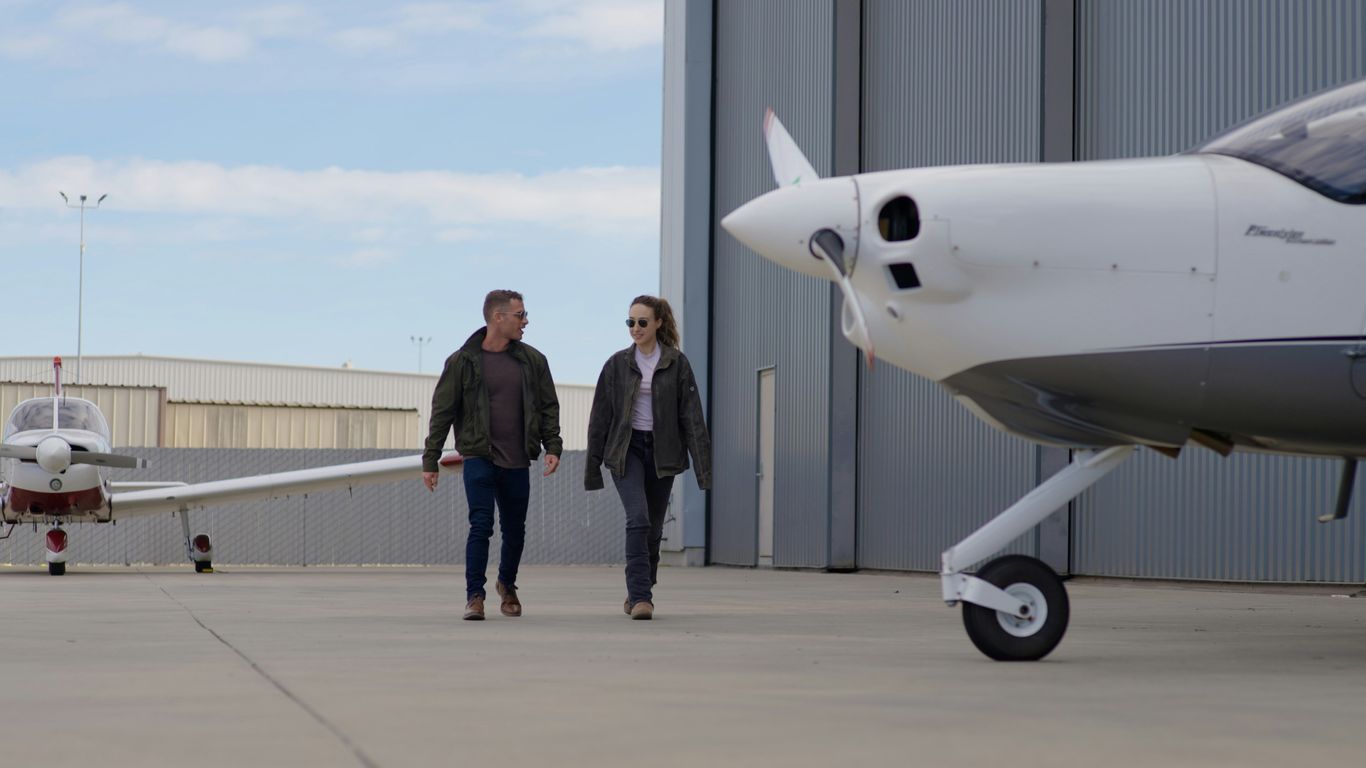
It might be surprising to learn that Europe is churning out a significant number of new tech startups each year—in some areas, even outpacing the US. These companies are often hotbeds of fresh thinking that could genuinely propel the aerospace sector forward. The real challenge, however, is ensuring these brilliant ideas get the spotlight and development support they truly deserve. We need to back these startups so they can scale up and contribute to the larger ecosystem.
Nurturing Deep Tech Startups
Europe is, in fact, producing more 'deep tech' startups every year than the United States. These are ventures built on advanced technologies that demand serious scientific research and development. While this is certainly a positive trend, it's essential that we provide these startups with the right ecosystem to truly thrive. What does that mean? It’s about more than just funding; it involves giving them access to specialized knowledge, state-of-the-art testing facilities, and crucial connections to the major industry players.
- Provide access to specialized labs and equipment.
- Connect startups with experienced mentors and industry experts.
- Offer guidance on intellectual property protection and commercialization strategies.
Leveraging ESA Business Incubation Centres
The European Space Agency (ESA) has strategically established a network of Business Incubation Centres (BICs) throughout its member states. These centers are specifically engineered to help space-related startups get off the ground and achieve orbit. They provide a comprehensive support package, which includes seed funding, office space, and invaluable business coaching. The ultimate goal is to help these fledgling companies transform their innovative concepts into commercially successful businesses.
ESA BICs provide a structured pathway for new ventures, combining financial incentives with practical support to navigate the complexities of bringing advanced technologies to market.
Encouraging Cross-Domain Application of Technologies
You'd be amazed at how many technologies developed for the vacuum of space can find practical applications right here on Earth—and the reverse is true as well. This 'spin-off' and 'spin-in' effect is a fantastic way to maximize the value of our investments in space. It's crucial, then, to consider these dual-use possibilities early in the development pipeline. By actively fostering collaboration between space-focused companies and businesses in other sectors, we can unlock entirely new markets and create novel solutions to everyday challenges.
- Identify technologies with potential for non-space applications.
- Facilitate partnerships between space startups and terrestrial industries.
- Support pilot projects demonstrating cross-domain benefits.
Strengthening European Autonomy and Resilience
Balancing Efficiency with Resilience
For quite some time, the mantra in European industry, aerospace included, has been all about efficiency. This often translated to sourcing parts and manufacturing wherever costs were lowest, which naturally led to sprawling global supply chains. While this strategy certainly trimmed expenses, it also wove a web of vulnerabilities. Recent global shocks have served as a stark reminder—relying too heavily on external sources is a risky game. Europe needs to find a better balance between being cost-effective and being able to reliably produce what it needs, especially in critical sectors like aerospace and defence. This involves taking a hard look at where our key components originate and strategically building up our own capacity to produce them, even if it’s not always the cheapest route in the short term.
Achieving Material Independence
Our dependence on other countries for essential raw materials presents a major risk to Europe's capacity to design and manufacture advanced aerospace and defense technologies. Take China's dominance in rare earth magnet production, for example; these materials are vital for everything from electric vehicle motors to fighter jets. This means Beijing could, in theory, halt European production with a simple export ban. To mitigate this threat, Europe must prioritize:
- Developing advanced methods for extracting valuable materials from lower-grade European deposits.
- Establishing industrial-scale recycling processes to recover critical materials from end-of-life products.
- Researching and implementing rare-earth-free alternatives for next-generation systems.
- Creating strategic reserves of materials sufficient for sustained production during potential conflicts.
The security of Europe's future will depend not just on military strategy, but on the strength, adaptability, and self-sufficiency of its industrial base. Companies that master distributed, automated, and sovereign manufacturing will be the bedrock of European defence for decades.
Developing Sovereign Manufacturing Capabilities
Building and sustaining our own manufacturing capabilities is absolutely key to securing European autonomy. This goes beyond just having factories; it means possessing the advanced technology and skilled workforce needed to produce highly complex systems. We must support companies that are pioneering:
- Modular robotic systems that can quickly adapt existing factories for defence production.
- Intelligent automation solutions tailored for European manufacturers.
- AI-powered quality control systems that can detect flaws in real-time during production.
- Advanced engineering platforms that embed intelligence throughout the product lifecycle.
This drive for sovereign manufacturing is also deeply intertwined with the need for material independence, ensuring the raw components required for production are also secured within Europe or through reliable, diversified alliances.
Accelerating Defence Technology Advancement
Embracing Software-Defined Autonomy
The very nature of warfare is changing at a breakneck pace. We're witnessing a dramatic shift away from a primary reliance on heavy hardware toward systems defined and driven by software. This is particularly true when it comes to technologies like artificial intelligence (AI) and robotics. Startups are playing a pivotal role in this transformation, often leveraging technology that’s also used in the commercial sector. Imagine drones that can operate in coordinated swarms or robots that can execute tasks autonomously. These technologies can be deployed much faster—and often at a fraction of the cost—compared to traditional military hardware. European governments are beginning to procure these new kinds of systems, recognizing that companies with a firm grasp of both military needs and cutting-edge software can make a decisive difference.
Leveraging Dual-Use Commercial Technologies
It’s becoming increasingly common for technologies first developed for civilian use to find a second life in defense applications. This is a savvy way to acquire advanced capabilities without reinventing the wheel. For instance, commercial drone delivery systems can be readily adapted for military surveillance or for transporting supplies in challenging terrain. Advanced satellite imaging, originally designed for tasks like weather forecasting or cartography, can now provide critical intelligence for military operations. This approach not only speeds up development but also helps control costs, since the core technology is already proven and widely available. It’s all about creatively repurposing what already exists to meet pressing defense needs.
Prioritizing Key Investment Domains
To keep Europe secure and at the cutting edge of defense technology, a few key areas demand focused investment. These are the domains where new developments are poised to have the most significant impact. They include:
- Physical Autonomy: This encompasses systems that can operate independently across land, sea, and air—think self-driving vehicles, autonomous ships, and unmanned aerial vehicles.
- Aerial Defence: Developing more effective ways to protect against airborne threats, such as drones and missiles, is absolutely critical. This includes finding more affordable methods of interception.
- Command and Control (C2) Systems: These are the operational nerve centers that allow different units and systems to communicate and collaborate seamlessly. Modern C2 must be incredibly fast and intelligent.
- Space Technology: With satellites playing an ever-larger role in communication, surveillance, and navigation, maintaining robust capabilities in space is vital for national defense.
- Advanced Industrial Manufacturing: This involves using novel methods like 3D printing and automated production to build defense equipment more quickly and efficiently, which includes securing the necessary material supply chains.
The shift towards software-defined defence and the smart use of commercial technologies presents a significant opportunity for Europe. By concentrating investment in key areas like autonomy, aerial defence, command systems, space, and advanced manufacturing, Europe can build stronger, more resilient defence capabilities. This approach not only addresses current security challenges but also positions the continent for future technological leadership in the defence sector.
Enhancing Collaboration and Risk Sharing
If Europe is serious about boosting its aerospace sector's competitiveness, we have to get much better at collaboration and sharing the risks inherent in developing new technologies. It's no longer just about the big, established players; many of the most exciting new ideas are emerging from smaller, more agile startups. The puzzle we need to solve is how to effectively integrate these fresh innovations into the traditional aerospace world and, just as importantly, how to let good ideas flow back out to spark new ventures.
Integrating Startup Innovations into Traditional Industries
Large aerospace corporations have the resources and deep-seated experience, but they can sometimes be slow to pivot. Startups, on the other hand, are often incredibly quick to develop cutting-edge solutions, particularly in fields like software and AI. The key is to build clear pathways for these startups to work with—and for—the industry giants. This means re-evaluating traditional procurement processes so they can accommodate smaller, innovative suppliers. It also means establishing pilot programs where new technologies can be tested in real-world settings without the startup having to shoulder all the financial risk. This cross-pollination is vital for keeping Europe at the forefront of aerospace development.
Facilitating Spin-off and Spin-in Opportunities
We should be actively creating an environment where technologies designed for one purpose can be repurposed for another. For instance, a technology originally conceived for a space mission might have game-changing applications in advanced manufacturing or even medical devices; this is what we call a 'spin-off'. On the flip side, 'spin-in' occurs when commercial technologies, perhaps from a startup serving a completely different market, are adapted for aerospace use. To make these transitions happen, we need transparent intellectual property frameworks and access to funding that appreciates the unique hurdles of commercializing new tech. The European Space Agency’s business incubation centers are a prime example of how to nurture these kinds of transitions, providing not just capital but also crucial technical and business guidance [3b8d].
Streamlining Support Systems and Requirements
Let's be honest, the systems that support aerospace development can sometimes be a bit of a maze. This complexity touches everything from how research funding is distributed to the highly specific technical requirements for new projects. We need to simplify these processes. What might this look like in practice?
- Creating a single point of contact for startups looking to engage with major aerospace programs.
- Developing more flexible testing and certification standards that can accommodate novel technologies.
- Making it easier to access shared facilities and testing grounds across different European countries.
The current landscape often requires companies to navigate a complex web of regulations and funding streams. Simplifying these pathways will not only reduce administrative burdens but also accelerate the pace at which innovations can be brought to market, making the entire sector more dynamic and responsive to global competition.
Driving Next-Generation Space Capabilities
Shortening Time-to-Market for Space Systems
Not too long ago, taking new space technologies from a concept to orbit was a process that could span years, even decades. But that's changing—fast. This acceleration is partly driven by commercial companies, which are now launching satellites at an unprecedented rate. Europe has to keep pace. We're seeing innovative new methods for building and testing space hardware that dramatically cut down development time. Think of modular designs that can be easily swapped out, or the use of advanced manufacturing like 3D printing to create parts more rapidly. The objective is clear: ensure Europe secures a strong and lasting presence in this booming industry.
Reinforcing European Access to Space
Having our own sovereign means of getting to space is a massive deal for both our security and our economy. We simply can't afford to be dependent on others. This means ensuring we have launch sites and rockets that are both reliable and economically viable. And it isn't just about launching large satellites; it's about having the flexibility to put a wide range of payloads into orbit, from tiny cubesats to complex scientific instruments. At the end of the day, Europe must have the independent capability to launch what it needs, when it needs to.
Developing Competitive End-to-End Systems
It's no longer enough to just build a satellite; you have to think about the entire system, from the ground control stations to the data that flows back to Earth. This holistic approach includes elements like:
- Secure communication networks: Making sure data can be sent and received without being intercepted.
- Advanced sensors: Developing cameras and other instruments that can see more, in different conditions, like through clouds or at night.
- Data processing and analysis: Using AI to make sense of the huge amounts of information satellites collect, so we can get useful insights quickly.
The space sector is changing fast. New technologies like AI and better ways to connect satellites are opening up big chances for Europe. It's important to invest in working with companies and making sure space tech can be used for both civilian and defense needs. This helps make Europe more secure and resilient.
Companies are now developing technologies like Synthetic Aperture Radar (SAR) satellites that can effectively see through clouds, and multi-spectral imaging satellites that capture data across various light bands. There’s also a significant push for higher-speed satellite communication links and even defensive spacecraft designed to protect high-value assets in orbit. This entire domain is rapidly becoming a strategic race for control in space—a race that is crucial for both military advantage and economic stability.
Addressing Geopolitical Realities in Defence
Confronting Security and Defence Gaps
Europe currently finds itself at a major geopolitical crossroads. Recent global events have cast a harsh light on existing gaps in our security and defense capabilities, especially when compared to other world powers. This reality demands a frank assessment of how European nations can strengthen their collective security and strategic independence. The long-standing reliance on external partners for certain defense needs is becoming increasingly precarious, creating a powerful incentive for a more robust and self-sufficient European defense posture.
Increasing Defence Spending Commitments
For many years, numerous European nations have not met their defense spending targets. The current security climate, however, is forcing a re-evaluation of these commitments. A growing consensus acknowledges that increased investment isn't just a good idea—it's an absolute necessity for maintaining stability and responding effectively to new and evolving threats. This pivot involves more than just allocating larger budgets; it's about spending those funds wisely on modern, impactful capabilities.
- Reaching and exceeding NATO's 2% GDP target.
- Prioritizing investments in next-generation military technologies.
- Encouraging collaborative procurement to reduce costs and increase interoperability.
Adapting to Evolving Warfare Dynamics
Modern warfare is changing at an astonishing speed, propelled by technological breakthroughs and new geopolitical fault lines. The emergence of autonomous systems, cyber warfare, and sophisticated information campaigns means that traditional military doctrines must adapt or become obsolete. It's imperative that Europe embraces these changes, developing the capabilities needed to operate effectively in these new domains and to counter the threats of tomorrow.
The nature of conflict is shifting. What was once a focus on large, hardware-centric forces is now increasingly about agile, software-defined capabilities. This includes everything from autonomous drones and advanced cyber defenses to secure communication networks and space-based assets. Adapting means not just buying new equipment, but fundamentally rethinking how defense is structured and operated.
| Area of Focus | Current Status | Future Need |
|---|---|---|
| Autonomous Systems | Emerging, but fragmented | Integrated, AI-driven systems across air, land, and sea |
| Cyber Defence | Reactive, often siloed | Proactive, resilient networks with rapid response capabilities |
| Space Capabilities | Growing, but with dependencies | Sovereign access, operation, and defense of space assets |
| Command & Control (C2) | Traditional, hardware-focused | Software-defined, AI-enhanced C2 for faster decision-making |
Looking Ahead for European Aerospace
So, what's the bottom line? Europe stands at a pivotal moment, with a genuine opportunity to elevate its standing in the aerospace sector. It's not merely about having good ideas, though there are certainly plenty of those. It’s about ensuring those ideas receive the support they need to mature and compete on a global stage. This involves a hard look at how we fund new ventures, how we connect them with the right expertise, and how we architect a system that encourages both prudent, careful development and the kind of bold, game-changing leaps that define an industry. By prioritizing resilience, autonomy, and intelligent partnerships, Europe can forge a stronger, more independent aerospace future for all.
Frequently Asked Questions
Why is it important for Europe to make more of its own space technology?
At its core, it's about self-reliance. By developing its own space technology, Europe reduces its dependence on other countries. This ensures that critical systems—for everything from communication to Earth observation—remain secure and accessible, especially when global tensions are high. Think of it as owning your own set of essential tools instead of constantly needing to borrow them.
How can Europe create more new ideas in the space industry?
Europe can generate more innovation by actively supporting young, dynamic companies, often known as 'startups.' These businesses frequently pioneer fresh approaches to using space technology, not only for space missions but also for creating everyday products and services back on Earth. Programs designed to help these startups scale and succeed are therefore incredibly important.
What does 'strengthening European autonomy' mean for the space sector?
Essentially, it means Europe aims to be more independent in its space endeavors. This includes ensuring that Europe has the sovereign capability to build its own rockets, satellites, and other crucial space hardware, supported by its own materials and manufacturing facilities. It's all about having firm control over its own destiny in space.
How are new technologies like AI changing space and defense?
New technologies like Artificial Intelligence (AI) are making space and defense systems significantly smarter and more effective. For instance, AI can enable drones to coordinate their actions or dramatically improve how satellites gather and analyze information. This allows Europe to develop advanced defense capabilities that are also more affordable and faster to deploy.
What is the role of smaller, new companies in the big aerospace industry?
Smaller, new companies—startups—are a vital source of fresh ideas and agile methods. They can invigorate the large, established players in the aerospace industry by offering cutting-edge solutions. It's a symbiotic relationship where both sides can learn and grow, ultimately making the entire industry more robust and competitive.
Why is it important to have strong manufacturing abilities in Europe for defense?
Having a strong domestic manufacturing base means Europe can build the defense equipment it needs, right here at home. This is absolutely critical for security and independence. If Europe can produce its own advanced materials and defense systems, it's far less susceptible to external pressures or supply chain disruptions, making the continent as a whole more secure.


