
resources, healthcare sustainability
How to Shed Pounds and Keep Them Off
07 Dec 2025

Weight loss grabs attention fast. A new diet, a strict challenge, or a dramatic before-and-after photo can spark a short burst of motivation. Long-term change feels very different. Real progress shows up in smaller clothing sizes, steadier energy, clearer lab results, and habits that still feel doable months later. That kind of progress comes from strategy, not just willpower.
Your body defends its weight with hormones, cravings, and old routines. You still have far more control than you might think. When you treat weight loss as a skills project, you build systems that make healthy choices easier and slip-ups less damaging. You do not need perfect discipline. You need a plan that fits your life and keeps you moving forward even on tough days.
Shift Focus From Quick Fixes To Daily Systems
Crash diets can move the scale fast, then leave you stuck when real life returns. Shortcuts often strip away muscle, increase hunger, and set you up for rebound gain. A system that targets daily actions feels less dramatic, yet it carries you much farther.
Start with one or two clear anchors. You might eat a protein rich breakfast every day, walk after dinner, or pack lunch for work instead of grabbing food on the run. Each anchor gives the day a stable point. Once that habit feels normal, you can stack another one beside it.
Think in terms of skills rather than rules. Skills like planning meals, reading labels, cooking simple dishes, and setting boundaries with social eating all support lasting weight loss. Every time you practice one of those skills, you invest in the version of you who maintains progress instead of repeating the gain-and-lose cycle.
Get Professional Support For A Safe Starting Plan
Plenty of people try to navigate weight loss alone, then feel confused by conflicting advice. A guide can shorten that learning curve. A coach, dietitian, or doctor who understands your health history can shape a plan that feels realistic, not punishing. Support from a medical weight loss clinic can give you structure, medical screening, and accountability while you build habits that last. You still control choices in the kitchen and the movement you schedule each week. The clinic team simply helps you match those choices with your lab work, medications, and long-term health risks.
If you decide to work with pros, come prepared with questions. Ask about realistic rates of loss, side effects of any medications, and maintenance plans once the main phase ends. You invest money and effort, so you deserve a clear picture of how that program fits with your life beyond a short sprint.
Use Food Choices That Feel Sustainable
Food drives both the scale and the way you feel each day. Extreme restriction often triggers binge cycles and social stress. A sustainable approach gives you structure without constant deprivation.
Most people see better results when they center meals around lean protein, high fiber vegetables, and moderate portions of smart carbohydrates and fats. Protein supports muscle maintenance and keeps hunger in check. Fiber slows digestion and balances blood sugar. Healthy fats add satisfaction and help you stay full between meals.
Portion awareness matters more than perfection. You can use smaller plates, pre-portion snacks, and measure key foods for a few weeks to reset your internal sense of “enough.” With time, your eyes and appetite start to match the new normal. You still leave room for treats in planned amounts, which reduces the urge to swing between strict days and uncontrolled days.
Social events and holidays will always show up. Instead of aiming for flawless choices, you can set simple rules such as “one plate, no grazing” or “dessert only if I truly want it and not just because it sits there.” Clear boundaries protect momentum without forcing you to live on the sidelines.
Move In Ways That Match Your Body And Schedule
Exercise supports weight loss and maintenance through several paths. It burns calories, preserves muscle, lifts mood, and improves sleep. The form that works best for you depends on joints, preferences, and daily demands.
You do not need extreme workouts to see progress. Brisk walking, cycling, swimming, and strength training all help. Strength sessions matter a great deal, since muscle tissue raises daily calorie use and shapes your body as weight drops. Two or three sessions per week that train major muscle groups can make a clear difference.
Daily movement outside workouts counts as well. Standing up more often during work, taking stairs, and doing short movement breaks throughout the day all raise total energy use. When you think of movement as a series of small choices instead of a single trip to the gym, you gain more opportunities to make progress.
If you feel new to exercise, start small and track how your body responds. Soreness can show up, yet sharp pain or joint swelling calls for a slower ramp or a different modality. In that case, a physical therapist or trainer with clinical experience can help you adjust without quitting.
Turn Tracking Into A Simple Feedback Loop
Numbers can feel intimidating, yet they give you valuable feedback. Tracking does not need to run your life. It simply informs your next choice.
You might track food, steps, workouts, sleep, or weekly scale weight. Choose two or three metrics that matter for your goals. Keep the process simple, so you can stick with it. An app, a notebook, or photos of meals can work. Consistency matters more than fancy tools.
If numbers trigger anxiety, you can shift focus toward process targets such as “hit my step goal five days this week” or “cook at home four nights.” Those metrics still guide your behaviour while you work on a healthier relationship with the scale.
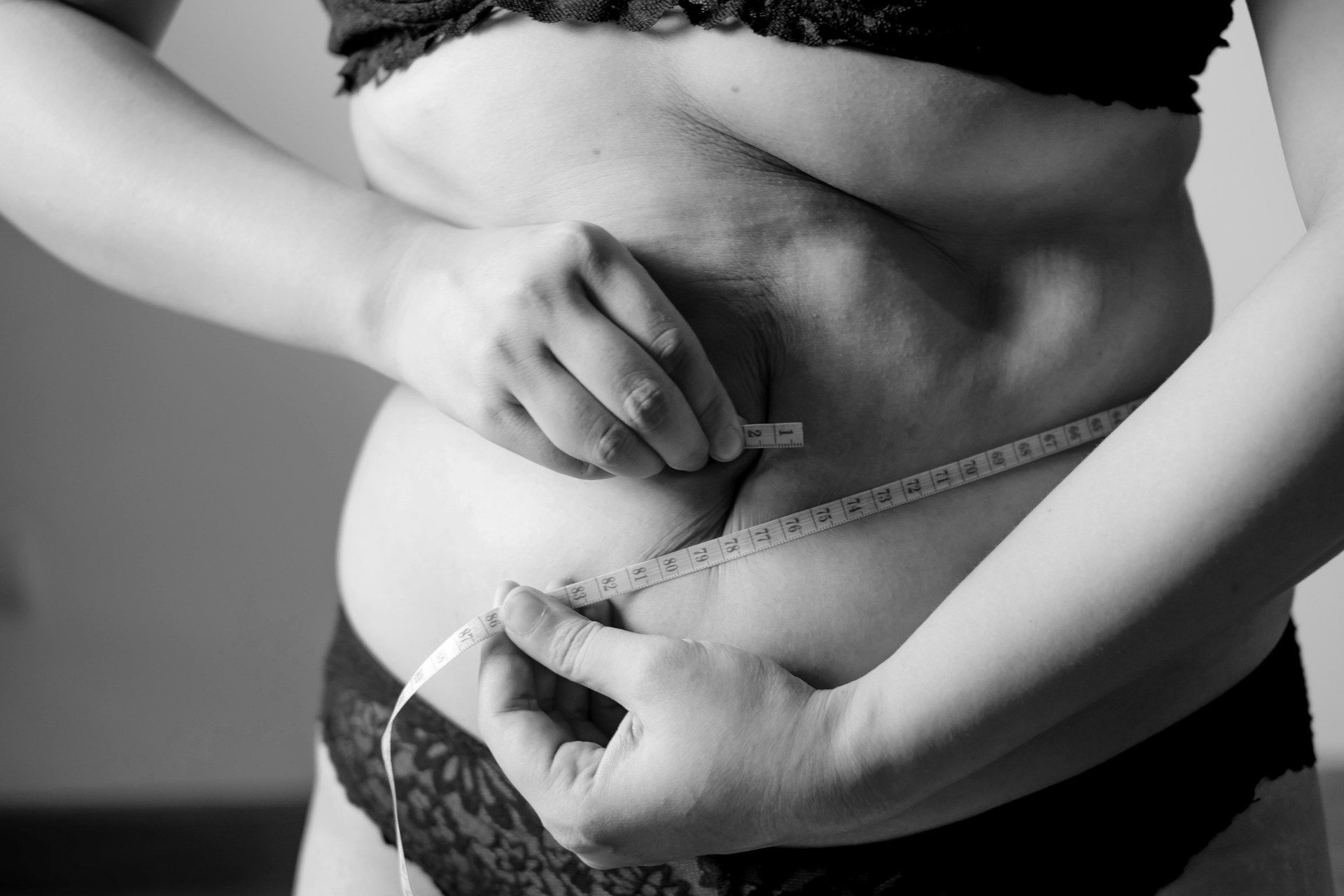
Sustainable weight loss comes from dozens of small, repeatable actions rather than a single dramatic move. You shift away from crash fixes and toward systems that match your life. You give food a clear structure, move your body in ways that feel realistic, and track progress with simple metrics. You adjust your environment, protect sleep, and care for stress so your brain and body can support your efforts. With that framework in place, you can shed pounds at a steady pace and, more importantly, keep them off while you live a full, engaged life.


