


resources
Exploring the Largest Japanese Cities by Population
13 Jun 2025

Japan’s urban areas are fascinating, offering a mix of old traditions and new ideas. From the huge capital to growing regional centers, each city has its own vibe and economy. We’re going to check out some of the biggest japanese cities by population, seeing what makes them tick and why they’re so important to the country.
Key Takeaways
- Tokyo is super big, like, really big, and it’s a huge player in global business and culture.
- Yokohama is a major port city with a long history of trade, and it’s right next to Tokyo.
- Osaka is the main economic spot in western Japan, known for its finance and diverse culture.
- Nagoya is Japan’s industrial heart, especially for cars and other manufacturing.
- Sapporo, up north, is famous for its cold weather activities and has a strong economy beyond tourism, while Fukuoka is a fast-growing tech and startup place in the south.
Understanding Japan’s Urban Landscape
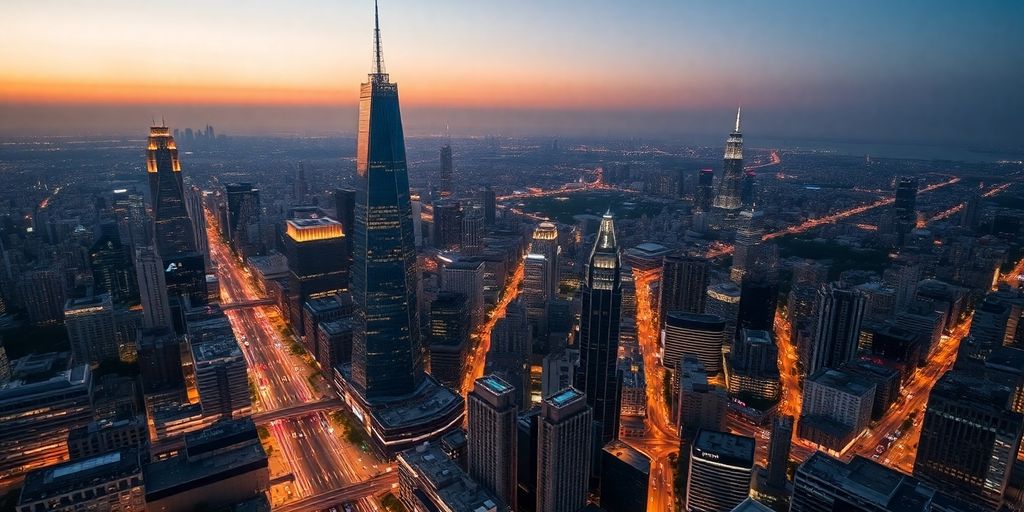
Japan’s cities are really interesting places, each with its own story and vibe. From the massive sprawl of Tokyo to smaller, but still important, regional hubs, there’s a lot to unpack when you look at how these cities have grown and changed over time. It’s not just about population numbers; it’s about understanding what makes each city tick.
Defining Major Japanese Cities
What exactly makes a city "major" in Japan? It’s more than just a big population. Sure, that’s a factor, but you also have to consider things like economic output, cultural influence, and its role in the country’s overall infrastructure. Some cities are major because they’re industrial powerhouses, while others are important because they’re centers of culture and history. For example, population density is a key factor. It’s a mix of different things that give each city its unique identity and importance.
Key Factors in Urban Growth
Lots of things have shaped the way Japanese cities have grown. Here are a few:
- Economic Development: Cities that have attracted industries and businesses have naturally seen their populations increase.
- Transportation Networks: The development of efficient transportation, like the Shinkansen (bullet train), has made it easier for people to move to and from cities, influencing growth patterns.
- Government Policies: Government decisions about infrastructure investment and regional development have played a big role in shaping urban landscapes.
Understanding these factors helps explain why some cities have boomed while others have remained relatively stable.
Population Trends Across Japan
Japan’s population is changing, and that’s having a big impact on its cities. Overall, the country is facing a declining and aging population, but some cities are doing better than others. Some trends include:
- Concentration in Major Metropolitan Areas: More and more people are moving to big cities like Tokyo, Osaka, and Nagoya, leading to increased density in these areas.
- Regional Disparities: Smaller cities and rural areas are often losing population as people move to urban centers for better opportunities.
- Aging Population: Many cities are grappling with the challenges of an aging population, including increased healthcare costs and a shrinking workforce.
Tokyo: Japan’s Capital and Global Hub
Tokyo, situated on the Pacific coast of Honshu, stands as Japan’s capital and a global hub. Its influence spans economics, politics, and culture, making it a focal point for both domestic and international affairs. The city’s infrastructure, innovation, and traditions blend to create a unique environment.
Tokyo’s Dominance in Population
Tokyo boasts the largest metropolitan population in the world, exceeding 37.5 million residents. This massive concentration of people drives economic activity and cultural exchange. The city’s population density is among the highest globally, requiring efficient urban planning and infrastructure management. The Greater Tokyo Area includes surrounding prefectures, forming an expansive urban sprawl. This area is a key destination for foreign direct investment.
Economic Powerhouse and Innovation
Tokyo’s economy is one of the largest and most advanced in the world. It serves as a center for finance, commerce, and technology. The Tokyo Stock Exchange is a major global financial market. Many multinational corporations have their headquarters in Tokyo, contributing to its economic strength. The city is also a leader in research and development, fostering innovation across various sectors. Here are some key aspects of Tokyo’s economy:
- Financial services
- Technological innovation
- Manufacturing
Tokyo’s economic success is driven by its skilled workforce, advanced infrastructure, and strategic location. The city continues to attract investment and talent from around the world, solidifying its position as a global economic leader.
Cultural Significance and Global Influence
Tokyo is a vibrant center of Japanese culture, blending traditional arts with modern trends. The city offers a wide array of cultural attractions, including museums, theaters, and historical sites. Tokyo’s influence extends globally through its fashion, cuisine, and entertainment industries. The city is also known for its unique subcultures and artistic expressions. Tokyo was built around the fishing industry in the 1600s and 1700s. Here are some examples of Tokyo’s cultural impact:
- Anime and manga
- Traditional arts (e.g., Kabuki, Sumo)
- Modern fashion and design
Yokohama: A Major Port City
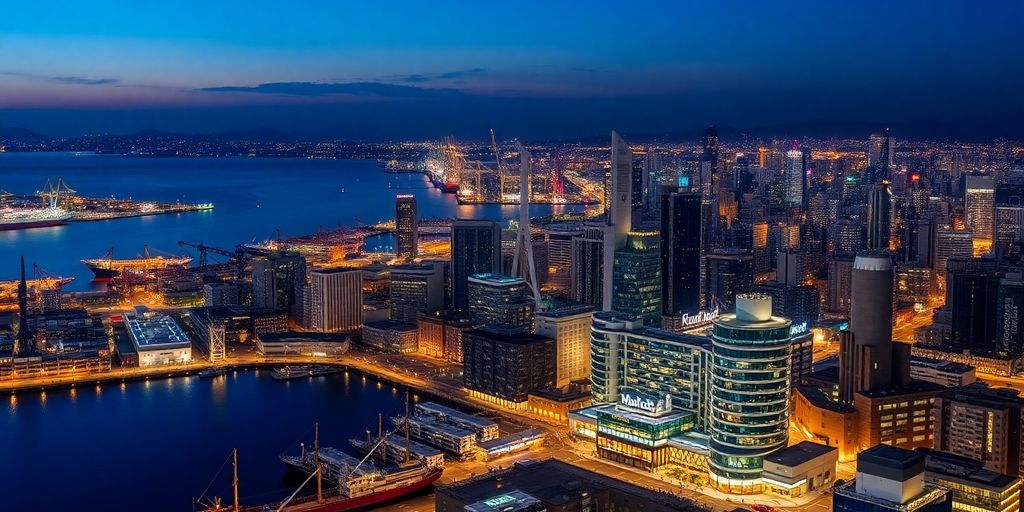
Yokohama, with a population of 3.78 million, sits on the Pacific coast of Honshu, a mere 29km from Tokyo. It’s a key part of the Greater Tokyo Area, home to about 37.5 million people. Yokohama was among the first Japanese cities to trade with the West in the 19th century, giving it a cosmopolitan vibe.
Historical Role in Trade
Yokohama’s history is deeply intertwined with international trade. It rapidly transformed from a small fishing village into a bustling port city after the opening of its port to foreign trade in 1859. This historical role shaped its culture and economy, making it a gateway for new ideas and technologies entering Japan. The city’s port remains one of the busiest in Japan and a vital hub in East Asia.
Modern Economic Contributions
Today, Yokohama’s economy is diverse and robust. It boasts strengths in biotechnology, semiconductors, shipping, and various high-tech industries. Several major companies are headquartered here, including Nissan, JVCKenwood, and Isuzu. The city is also a center for higher education, with 16 universities and nearly 100,000 students.
Here’s a quick look at some of Yokohama’s key economic sectors:
- Automotive Industry
- Biotechnology
- Semiconductors
- Shipping
Proximity to Tokyo and Metropolitan Area
Yokohama’s close proximity to Tokyo significantly influences its development. Being part of the Greater Tokyo Area means it benefits from the economic dynamism and infrastructure of the larger metropolis. However, Yokohama maintains its unique identity and offers a distinct living environment compared to the capital. The city provides a blend of urban convenience and coastal charm, making it an attractive place to live and work. The metropolitan area is one of the largest in the world.
Yokohama offers a unique blend of historical significance and modern economic vitality. Its port continues to be a major driver of its economy, while its proximity to Tokyo provides access to a vast network of resources and opportunities. The city’s cosmopolitan atmosphere and diverse industries make it a key player in Japan’s urban landscape.
Osaka: Western Japan’s Economic Center
Osaka, with a population of 2.75 million, stands as a major economic force in western Japan. It’s a city with a rich history and a forward-looking approach, making it a key player in the nation’s economy. It’s about 500km from Tokyo.
Financial and Commercial Importance
Osaka has long been a hub for finance and commerce. The Osaka Exchange remains a vital institution. The city’s commercial strength is evident in its bustling retail districts and wholesale markets. Osaka’s strategic location has helped it become a center for trade and distribution, connecting western Japan to the rest of the world. Osaka is a key city for the financial sector.
Cultural Diversity and Education
Osaka is known for its vibrant culture and diverse population. The city has a significant student population, contributing to its dynamic atmosphere. Several universities, including Osaka University and Kansai University, attract students from across Japan and internationally. The city’s cultural attractions, such as Osaka Castle and Dotonbori, draw tourists and locals alike. Osaka has a reputation for offering a cosmopolitan lifestyle.
Key Industries and Metropolitan Scale
Osaka’s economy is supported by a range of industries. Major companies like Sharp and Panasonic have headquarters there. Other important sectors include tourism, retail, media, food, electronics, pharmaceuticals, machinery, chemicals, and construction. The Osaka metropolitan area has a population of 19.3 million, making it one of the largest urban areas in the world. Osaka is a key manufacturing hub.
Osaka’s blend of historical significance and modern economic activity makes it a unique and important city in Japan. Its diverse industries and vibrant culture contribute to its status as a major economic center in western Japan.
Nagoya: Industrial Core of Japan
Nagoya, situated on Honshu’s Pacific coast, stands as a testament to Japan’s industrial might. The city evolved around its port, which continues to fuel its economy. However, it was the post-war recovery that cemented Nagoya’s status as a key industrial and transport hub. With a metropolitan population of 10.2 million, Nagoya plays a vital role in Japan’s economic landscape.
Automotive Industry Leadership
Nagoya’s prominence is largely attributed to its automotive industry. The city hosts many of Toyota’s key operations, making it a central player in the global automotive market. This concentration of automotive expertise has fostered a network of related industries and suppliers, further solidifying Nagoya’s position as an automotive powerhouse.
Diverse Economic Sectors
While automotives dominate, Nagoya’s economy is surprisingly diverse. Key sectors include aviation, ceramics, events, technology, retail, shipbuilding, chemicals, tourism, education, and food. The city serves as headquarters for major companies like Brother Industries and Ibanez, showcasing its broad economic base. This diversification helps to buffer the city against economic downturns in any single sector. The Ch?ky? metropolitan area is the most urbanized part of the T?kai region.
Strategic Location and Port Activity
Nagoya’s port remains a critical asset, facilitating trade and transport for the region. Its strategic location on the Pacific coast allows for efficient access to international markets. The port handles a significant volume of cargo, supporting the city’s manufacturing and industrial activities. The city’s commitment to port activity ensures its continued economic relevance.
Nagoya’s blend of industrial strength, economic diversity, and strategic location positions it as a vital contributor to Japan’s economy. Its ability to adapt and innovate ensures its continued relevance in the global marketplace.
Sapporo: Hokkaido’s Urban Gem
Sapporo, situated on Japan’s northernmost island of Hokkaido, stands as a unique urban center. It’s not just the largest city in Hokkaido; it’s the island’s cultural, economic, and political heart. With a population nearing 2 million, Sapporo offers a different vibe compared to the mega-cities on Honshu. It’s a place where urban life meets the rugged beauty of Hokkaido’s natural landscape. I always thought of it as a cool place to visit, especially during the winter.
Northern Japan’s Largest City
Sapporo’s status as the largest city in northern Japan is significant. It acts as a hub for the entire region, influencing everything from commerce to culture. The city’s development has been carefully planned, resulting in wide streets and a grid-like layout, making it easy to navigate. This urban planning is quite different from the more organic growth seen in many older Japanese cities. It’s a modern city with a distinct northern character.
Tourism and Winter Sports Appeal
Sapporo is famous for its winter attractions, most notably the Sapporo Snow Festival. This event draws millions of visitors each year, showcasing incredible snow and ice sculptures. The city’s cold climate made it a natural choice to host the 1972 Winter Olympics, further cementing its reputation as a winter sports destination. Beyond the Snow Festival, there are numerous ski resorts and other winter activities available in and around Sapporo. It’s a winter wonderland, no doubt. You can find great Sapporo attractions all year round.
Economic Pillars Beyond Tourism
While tourism is a significant part of Sapporo’s economy, the city has diverse economic strengths. Key industries include IT, retail, steel, machinery, beverages, pulp and paper, and manufacturing. Sapporo is also a center for education and research, with several universities and research institutions located in the city. This diversification helps to ensure a stable and resilient economy, not solely dependent on seasonal tourism. It’s a city that’s building for the future.
Sapporo’s blend of urban convenience and access to nature makes it a unique place to live and visit. The city’s commitment to sustainable development and its focus on innovation are shaping its future as a leading city in northern Japan. It’s a city that embraces both its heritage and its potential.
Fukuoka: A Growing Startup Hub
Fukuoka, located on Kyushu Island, is making a name for itself as a rising star in Japan’s startup scene. It’s not just about location; several factors contribute to its growing appeal. The city is actively working to create an environment where new businesses can thrive, attracting both domestic and international entrepreneurs.
Gateway to Kyushu Island
Fukuoka serves as the main entry point to Kyushu, the southernmost of Japan’s main islands. This strategic position makes it a natural hub for trade and transportation within the region. Its airport and port connect Kyushu to the rest of Japan and the world. This connectivity is a major advantage for businesses looking to expand into or from the Kyushu area. The city’s role as a major port city is undeniable.
Favorable Business Environment
Fukuoka has gained a reputation for being a startup-friendly city, and it’s easy to see why. The local government has implemented policies designed to attract and support new businesses. These include:
- Reduced corporate tax rates for startups.
- Simplified business registration procedures.
- Startup visas for foreign entrepreneurs.
These initiatives, combined with a lower cost of living compared to Tokyo, make Fukuoka an attractive option for startups looking to stretch their resources.
Diverse Economic Strengths
While Fukuoka is known for its emerging tech sector, its economy is actually quite diverse. Key industries include:
- IT and software development
- Logistics and transportation
- Retail and services
- High-tech manufacturing
This mix of industries provides a stable economic base and creates opportunities for collaboration and innovation. Fukuoka’s economy is not solely reliant on one sector, making it more resilient to economic fluctuations. The city’s metropolitan population is around 2.56 million, reflecting its economic significance.
Wrapping Up Our Look at Japan’s Big Cities
So, we’ve gone through some of Japan’s biggest cities, checking out what makes each one special. From Tokyo, a huge global center, to places like Kyoto with its old history, and even Sapporo up north known for its snow, it’s clear these cities are all different. They each have their own feel, their own industries, and their own way of life. It’s pretty interesting to see how they’ve grown and changed over time, becoming the important places they are today in Japan.
Frequently Asked Questions
What are the biggest cities in Japan?
Japan has many big cities, but the largest ones by population are Tokyo, Yokohama, Osaka, Nagoya, Sapporo, and Fukuoka. These cities are important for different reasons, like business, culture, and trade.
Which city is the largest in Japan?
Tokyo is the biggest city in Japan. It’s not just the capital but also a huge center for business and new ideas. It has a very large population and is known all over the world.
What makes Yokohama special?
Yokohama is a big port city near Tokyo. It has a long history with trade and is still very important for shipping goods. It’s also a modern city with lots of people.
Why is Osaka an important city?
Osaka is a major city in western Japan. It’s known for being a financial and business hub. It also has a rich culture and many universities, making it a lively place with different kinds of people.
What is Nagoya famous for?
Nagoya is a key city for making cars and other industrial products. It’s where many big companies have their main operations, especially in the car industry. It also has a busy port.
What’s unique about Fukuoka?
Fukuoka is on the island of Kyushu and is becoming a popular place for new businesses. It has a good environment for startups and is a gateway to the rest of Kyushu. It’s also strong in services and technology.


