


resources
Unveiling the Largest City in the UK: A Deep Dive into Urban Dominance
13 Jun 2025

Ever wondered what makes a city truly stand out on the global stage? It’s more than just size. We’re talking about economic power, talent, and culture. This article takes a closer look at what makes a city dominant, especially focusing on the largest city in the UK, and how these urban giants shape our world.
Key Takeaways
- The largest city in the UK, London, is a major player in the global economy.
- Big cities are super important for making economies grow and for new ideas to happen.
- The way cities are growing is changing, with some newer cities catching up fast.
- We can group cities by what they’re good at, which helps us compare them.
- Top cities have strong economies and lots of smart, hard-working people.
Understanding Urban Dominance: Defining the Largest City in the UK
The Significance of City Size in a Global Context
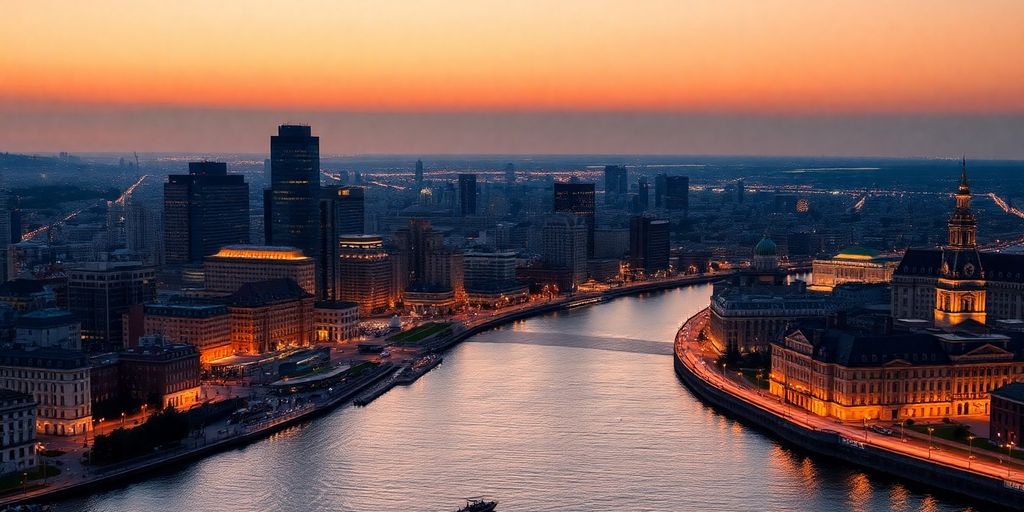
Okay, so why does it even matter how big a city is? Well, in today’s world, city size often translates to influence. Larger cities tend to have bigger economies, more cultural impact, and a greater say in global affairs. Think of it like this: a small town might be charming, but it’s unlikely to host major international events or set economic trends. Big cities? They’re the players on the world stage. They attract investment, drive innovation, and shape the way we live. It’s not just about bragging rights; it’s about real-world power.
Metrics for Measuring Urban Scale and Influence
How do we actually measure how big and influential a city is? It’s not as simple as just looking at population. We need to consider a bunch of different factors. Here are a few key ones:
- Population Size: This is the most obvious one. How many people live within the city limits and its surrounding metropolitan area?
- Economic Output (GDP): How much wealth does the city generate? This tells us about its economic power.
- Infrastructure: Does the city have good transportation, communication networks, and public services?
- Cultural Influence: Does the city have a significant impact on art, music, fashion, and other cultural trends?
- Global Connectivity: How well-connected is the city to the rest of the world through transportation, trade, and communication?
It’s important to remember that these metrics aren’t always perfectly aligned. A city might have a huge population but a relatively small economy, or vice versa. A truly dominant city usually scores high across all these categories.
Global Cities Index: A Comprehensive Assessment
To get a handle on which cities are really leading the pack, we can look at things like the Global Cities Index. These indices use a whole bunch of different indicators to rank cities based on their economic, social, and cultural performance. They take into account things like GDP, population growth, quality of life, and environmental sustainability. According to the Oxford Economics Global Cities Index, New York maintains its leading position, with London and Paris following closely behind. These indices are super useful because they give us a way to compare cities on a level playing field and see where they excel and where they need to improve. They help businesses and governments make smart decisions about where to invest and how to plan for the future.
London’s Enduring Global Leadership
Economic Prowess: London’s Financial and Business Hub Status
London is a major player on the world stage, and its economic strength is a big reason why. It’s not just about the money; it’s about being a central place for business and finance. London attracts companies and investors from all over the globe, making it a hub for international trade and innovation. The city’s financial district is home to some of the world’s biggest banks and financial institutions. This concentration of capital and expertise helps drive economic growth, not just in the UK, but worldwide. London’s economy is diverse, with strengths in finance, technology, creative industries, and tourism. This diversity helps it withstand economic ups and downs.
Human Capital: A Magnet for Talent and Innovation
London’s appeal extends beyond just money. It’s a magnet for talented people from all over the world. The city boasts some of the best universities in the world, attracting students and researchers who contribute to innovation and progress. The availability of skilled workers makes London an attractive place for companies to set up shop. The city’s diverse population brings a range of perspectives and ideas, which fuels creativity and innovation. London’s business hub status is also supported by its strong education system and commitment to lifelong learning.
Here’s a quick look at some factors:
- Top universities attract global talent.
- A diverse workforce brings new ideas.
- Companies invest in training and development.
Cultural Heritage and Tourism: A Global Destination
London’s rich history and vibrant culture make it a top tourist destination. From historic landmarks like the Tower of London to world-class museums like the British Museum, there’s something for everyone. The city’s theaters, music venues, and art galleries contribute to its lively cultural scene. Tourism is a major contributor to London’s economy, supporting jobs and businesses across the city. The city’s cultural attractions also make it a desirable place to live, attracting people from all over the world. London’s enduring appeal is a result of its unique blend of history, culture, and innovation.
London’s cultural heritage is not just about preserving the past; it’s about creating a vibrant future. The city’s commitment to the arts and culture helps attract visitors, talent, and investment, making it a truly global destination.
The Role of Global Cities in Shaping the World Economy
Engines of Economic Growth and Innovation
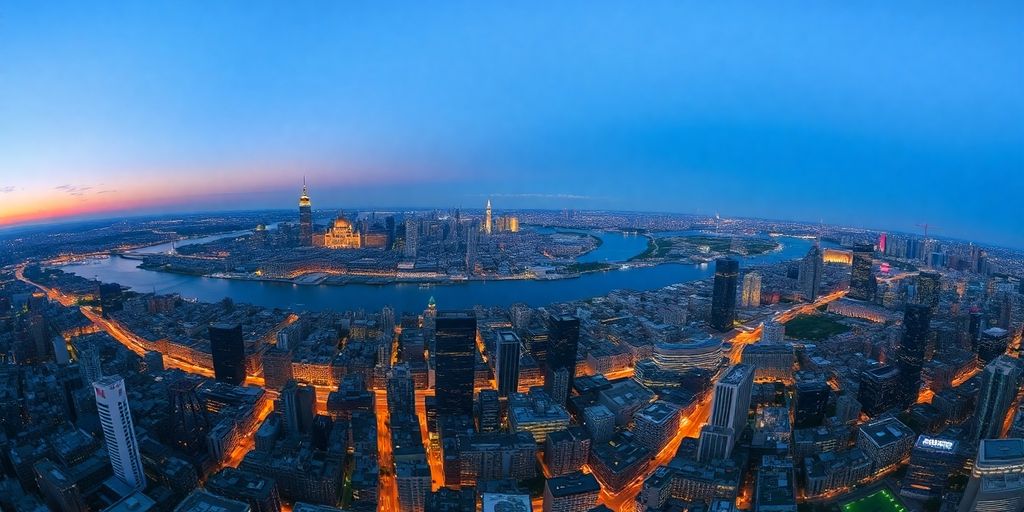
Global cities? They’re not just big; they’re economic powerhouses. They drive growth and innovation on a scale that smaller cities just can’t match. Think of them as giant engines, constantly churning out new ideas, technologies, and business models. They’re where companies go to expand and where entrepreneurs flock to start something new. It’s a whole ecosystem designed for progress.
Centers of Learning and Decision-Making
These cities aren’t just about money; they’re also hubs for knowledge and power. You’ll find top universities, research institutions, and think tanks all concentrated in these urban centers. This concentration of brainpower leads to better-informed decisions, not just for businesses but also for governments and international organizations. They are the places where policies are debated, strategies are formed, and the future is planned. For example, London is a leading city for human capital because of its universities.
Resilience Amidst Global Challenges
Global cities face a lot of challenges – economic downturns, environmental issues, and social inequalities. But what sets them apart is their ability to bounce back. They have diverse economies, strong infrastructure, and adaptable populations. This resilience is key to maintaining their global influence and continuing to drive economic progress, even when things get tough.
Global cities are complex systems, constantly adapting to change. Their ability to innovate and overcome challenges is what ensures their continued importance in the world economy. They are not just places to live and work; they are living laboratories for the future.
Evolving Urban Landscapes and Future Growth
Shifting Geography of Global Economic Growth
Okay, so the big picture is this: while places like New York, London, and Tokyo are still major players, expect things to change. The world’s economic center is moving, with cities in India and other developing countries becoming more important. It’s not that the old giants are disappearing, but new ones are rising fast. It’s like watching a sports team dominate for years, and then suddenly, a bunch of new teams start winning.
Projected Population and GDP Increases in Urban Centers
By 2050, the world’s 1,000 biggest cities will have about half a billion more people living in them. That’s a lot! This growth presents a huge opportunity. More people means more jobs, and that leads to a big jump in GDP. Think of it as a snowball effect: more people, more jobs, more money. It’s not just about population, though. Productivity is also expected to increase by 50% by 2050. This means people will be doing more with less, which is good for everyone. The population growth is expected to be significant.
Income Growth and Productivity Gains in Cities
All this productivity will lead to higher incomes. It’s predicted that over a quarter of the world’s cities will see average household incomes more than double in the next 25 years. That’s a pretty big deal. It means more people will have more money to spend, which will boost the economy even further. It’s not just about the rich getting richer; it’s about a lot of people moving up the economic ladder. It’s like everyone getting a raise, and that’s something to be excited about.
Cities are always changing. They grow, they shrink, they adapt. It’s a constant process of evolution. The cities that can adapt the best are the ones that will thrive in the future. It’s not always easy, but it’s always interesting.
Classifying Cities: Archetypes of Urban Development
Typology of City Archetypes for Comparative Analysis
Okay, so cities are all different, right? But they also tend to grow in similar ways. To make sense of it all, we can group them into archetypes. Think of it like sorting Pokémon – you’ve got your fire types, your water types, and so on. This helps us compare apples to apples, or in this case, London to New York. These archetypes use different measures from the Global Cities Index to focus on common traits.
Identifying Shared Traits and Development Pathways
So, what makes a city a
Key Characteristics of Global Leaders
Driving the World Economy: Financial and Business Hubs
Global leaders are, without a doubt, the powerhouses of the world economy. They act as major financial hubs and business centers, attracting corporations and driving innovation. Think of cities like London or New York; they’re not just places to live, but engines of economic activity. They often have a high concentration of corporate headquarters, stock exchanges, and international banks. This creates a dynamic environment where deals are made, and economies grow.
Abundance of Well-Educated and Productive Workers
One thing that sets global leaders apart is their access to a highly skilled workforce. These cities attract talent from all over the world, creating a pool of well-educated and productive workers. This human capital is essential for driving innovation and economic growth.
Here’s a quick look at what makes this workforce so valuable:
- Top-tier universities and research institutions
- A culture of lifelong learning and professional development
- Opportunities for career advancement and entrepreneurship
Balancing Economic Dominance with Quality of Life
While economic power is important, global leaders also need to offer a decent quality of life for their residents. This includes things like access to healthcare, education, and cultural amenities. It’s a balancing act, because rapid economic growth can sometimes lead to problems like inequality and environmental degradation. Cities that can successfully balance economic dominance with quality of life are more likely to attract and retain talent, ensuring their long-term success.
It’s interesting to note that while global leaders often excel in quality of life, they are sometimes outperformed by smaller cultural capitals. These cities may not have the same economic clout, but they offer a higher quality of life for residents, often due to factors like lower cost of living and a stronger sense of community.
Wrapping Up: The UK’s Biggest City
So, we’ve looked at what makes a city big in the UK. It’s not just about how many people live there. Things like economic power, cultural impact, and how connected it is to the rest of the world really matter too. The UK’s largest city shows how these different parts come together to create a major urban center. It’s a place that keeps changing, always finding new ways to grow and stay important on the global stage.
Frequently Asked Questions
Why is London considered a leader in ‘Human Capital’?
London is like a giant magnet for smart people and new ideas. It has many top universities and lots of different kinds of jobs, especially in finance and business. This makes it a great place for talented people from all over the world to come and work.
What makes global cities so important to the world economy?
Cities are super important because they are like the engines of the world’s economy. They are where most of the new ideas, businesses, and money come from. They also bring people together to learn and make big decisions that affect everyone.
How do global cities handle big problems?
Even when things get tough, like during a worldwide problem, big cities often bounce back well. They have strong economies and lots of different types of businesses, which helps them stay stable and keep growing even when other places struggle.
How is the global city landscape changing?
The way cities grow is changing. While big cities like London and New York are still very important, cities in places like India are growing super fast and will play a much bigger part in the world’s economy in the future.
What are ‘city archetypes’ and why are they useful?
We group cities into different types, like ‘Global Leaders’ or ‘Cultural Capitals.’ This helps us compare them and understand what makes each kind of city special, what challenges they face, and how they might grow.
What are the main features of the most successful global cities?
The best global cities are usually financial and business centers. They have a lot of well-educated workers and are very productive. They also try to offer a good quality of life for their residents, even while being economic powerhouses.


