
business resources
Managing Pain After an Unexpected Injury
26 Feb 2026

Managing pain after an unexpected injury can feel like a full-time job. You wake up every morning wondering if today will be a little better than yesterday. The shock of a sudden accident takes a toll on your mind and your physical health.
The path to healing is rarely a straight line for most people. You need a mix of medical care and daily habits to get back to your old self. Taking control of your recovery starts with understanding your options and setting realistic goals.
The First Steps of Recovery
Finding the right medical care is the 1st step in your journey toward health. A doctor can run tests to see exactly what happened to your body. They might use 1 or 2 different scans to check for hidden issues like internal bruising.
You might have questions about how long the healing process will take. Every person heals at a different speed based on their age and health. It is common to feel a bit frustrated during the 1st week of treatment.
Following a plan from your healthcare team keeps you on the right track. They provide the roadmap you need to navigate these difficult weeks. Trusting the process is a key part of staying positive when things feel slow.
Finding Professional Support After a Crash
Accidents often lead to complex situations that go beyond physical pain. You may face huge medical bills that reach $1000s or more in a short time. These financial burdens can keep you awake at night when you should be resting.
You might feel overwhelmed by the insurance claims and legal deadlines that follow a crash. Seeking help from a Laredo Car Accident Lawyer is a smart way to manage the legal side of your situation. This choice allows you to focus on your physical recovery - and someone else handles the paperwork. It can make a huge difference in your stress levels.
Legal experts understand how to deal with insurance companies on your behalf. They work to get you the support you need for your future medical care. Having an advocate allows you to put your energy where it matters most.
Learning to Pace Your Daily Activities
It is natural to want to jump back into your chores. You might try to clean the whole house in 1 afternoon when you feel okay. This often leads to more pain the next morning.
A health resource suggests using pacing to choose when to take a break before your symptoms become too much to handle. This approach keeps you from overexerting your muscles and causing a flare-up. You learn to listen to your body before the sharp pain hits.
Pacing helps you maintain a steady level of activity all day long. You get more done without the exhaustion that follows a huge burst of energy. Small breaks are a simple tool for long-term success.
Staying Active Within Your Limits
Gentle movement prevents your joints from getting stiff and sore. Walking for just 5 or 10 minutes a day can improve your blood flow and your mood. It is better to move a little bit often than to sit still for 8 hours.
Stretching helps keep your muscles flexible and ready for more activity. You should move slowly and avoid any jerky or sudden motions that might hurt. These small steps build up your strength.
Physical therapy is a great way to learn new exercises for your specific injury. A therapist shows you how to move in ways that do not cause extra damage. They help you regain your range of motion safely.
Managing the Mental Side of Injury
Dealing with pain every day can weigh heavily on your mind. You might feel frustrated or sad that you cannot do what you used to do. It is okay to admit that things are tough right now.
There are several ways to keep a positive outlook during your recovery:
- Spend 5 minutes deep breathing every morning.
- Call a trusted friend for a quick chat to stay connected.
- Listen to your favorite music to relax your mind.
- Read a book you enjoy to pass the time.
Small wins are worth celebrating every single time they happen. Focus on what you can do today rather than what you cannot do yet. Your mental health is a huge part of your physical healing.
Simple Home Remedies for Comfort
Using ice packs is a great way to lower swelling in the 1st 48 hours. You can apply a cold pack for 15 minutes to help dull the sharp pain. This is a low-cost way to manage your symptoms at home.
Heat therapy works well for muscles that feel tight or cramped later in the week. A warm bath or a heating pad can help you relax before you go to bed. The warmth brings more blood to the area to help with healing.
Many people find that switching between heat and cold works best for them. Try 1 method and see how your body feels after 20 minutes of rest. Everyone has a different preference when it comes to comfort.
Planning for Long-Term Health
Thinking about the future helps you stay motivated during hard times. You are building strength that will serve you for years to come. Your body is resilient and capable of amazing things.
Keep a journal to track your progress and your pain levels. It is helpful to see how far you have come since the 1st day of your injury. You might notice that your "bad" days are now better than they used to be.
Consistency is the secret to getting your life back on track. Show up for your appointments and keep moving every single day. You are the most important person in your recovery plan.
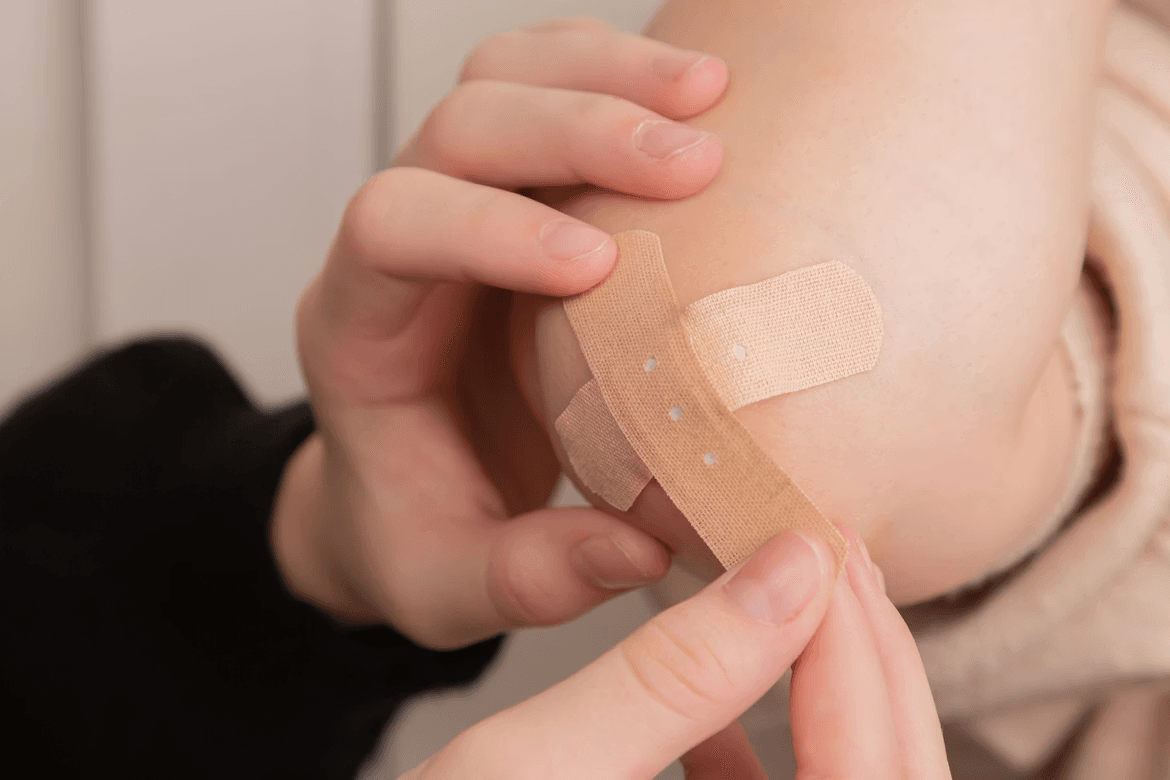
Healing takes time and effort from both you and your doctors. You have the tools you need to make a full recovery and move on with your life. Each small choice you make today leads to a healthier tomorrow.
Stay patient with yourself as you go through this process. Better days are ahead, and you are getting stronger with every step you take. Your journey is unique - and you are doing a great job.


