


Fashion Trends & Future, resources
Medieval Metamorphosis — European Evolution (476-1485 CE)

“In the shadows between empires, fashion found its soul in the marriage of necessity and beauty.”
— Dinis Guarda

Medieval Metamorphosis — European Evolution (476-1485 CE)
The medieval period witnessed fashion’s transformation from classical drapery to structured garments that would define European dress for centuries. This era established many fundamental tailoring principles and also developed fashion’s role in expressing social hierarchy and religious devotion.
In the centuries following Rome’s fall, European fashion underwent a transformation that established many principles governing Western dress. The medieval period witnessed fashion’s evolution from classical drapery to structured tailoring, developing techniques and aesthetic approaches that remain fundamental to contemporary clothing construction.
Early medieval fashion initially simplified as European society restructured itself following imperial collapse. Yet this apparent regression masked significant innovation as local traditions merged with remnant Roman styles, creating regionally distinctive approaches to dress that celebrated both practical necessity and emerging aesthetic sensibilities. The medieval period witnessed fashion’s transformation from classical drapery to structured garments that would define European dress for centuries. This era established many fundamental tailoring principles and also developed fashion’s role in expressing social hierarchy and religious devotion.
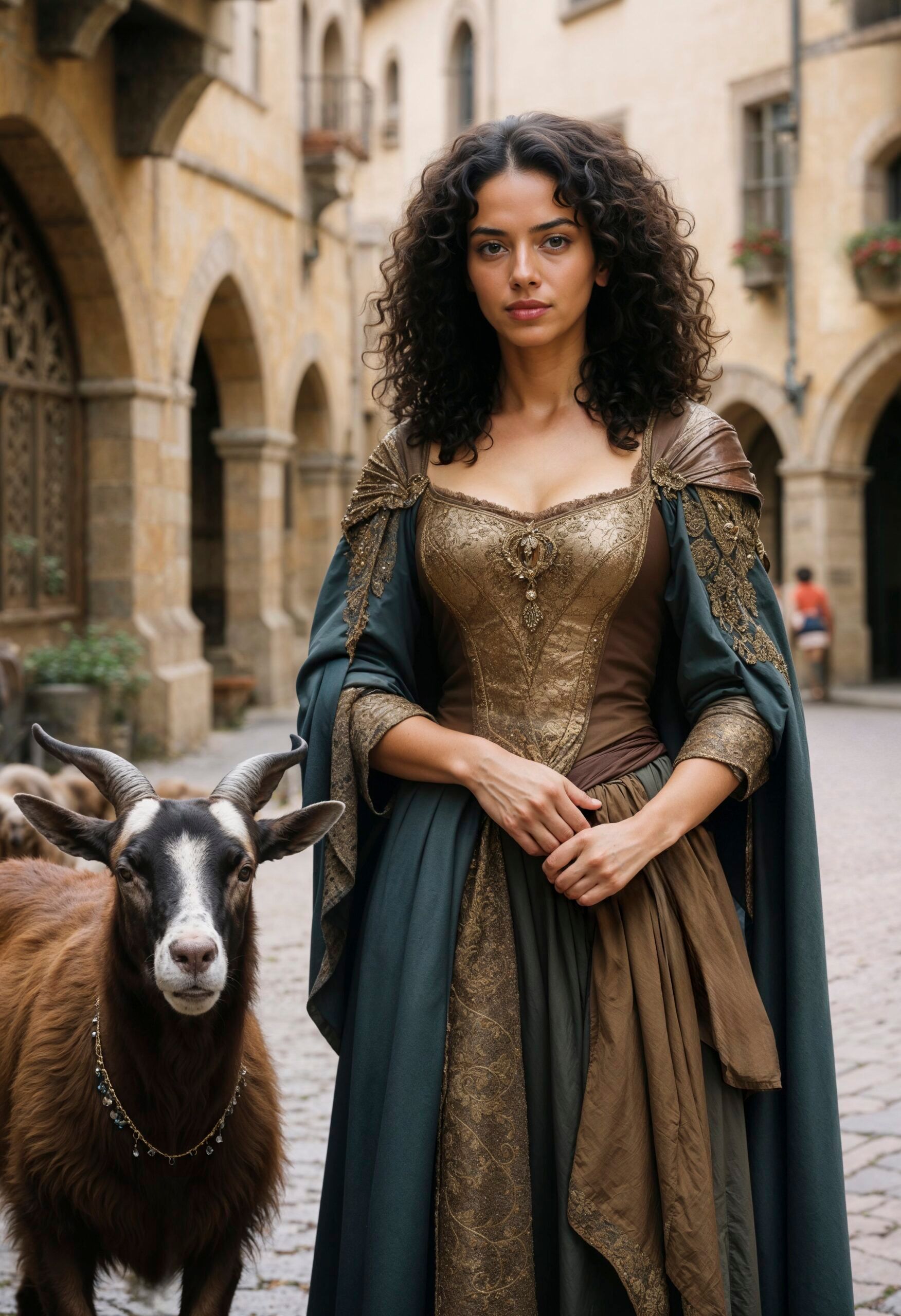
The 12th century marked fashion’s revolutionary turn toward body-conscious construction. The introduction of fitted garments required unprecedented precision in cutting and sewing, establishing tailoring as a sophisticated craft demanding years of apprenticeship to master. This approach fundamentally changed clothing’s relationship to the human form, creating garments that enhanced rather than obscured the body’s natural lines whilst providing practical protection and social communication.
Gothic fashion (1150-1400) achieved extraordinary heights of complexity and symbolic meaning. Garments featured intricate construction techniques, elaborate decorative elements, and the widespread adoption of buttons as both functional and aesthetic features. The period’s characteristic vertical emphasis—seen in pointed shoes, tall headdresses, and elongated silhouettes—reflected Gothic architecture’s aspiration toward heaven, transforming fashion into a form of material spirituality that lifted both body and soul toward divine realms.
Early Medieval Foundations
Following Rome’s fall, European fashion was initially simple but gradually incorporated influences from migrants. Viking, Celtic, and Germanic traditions merged with remnant Roman styles, creating regionally distinct approaches to dress that celebrated both practicality and artistry.
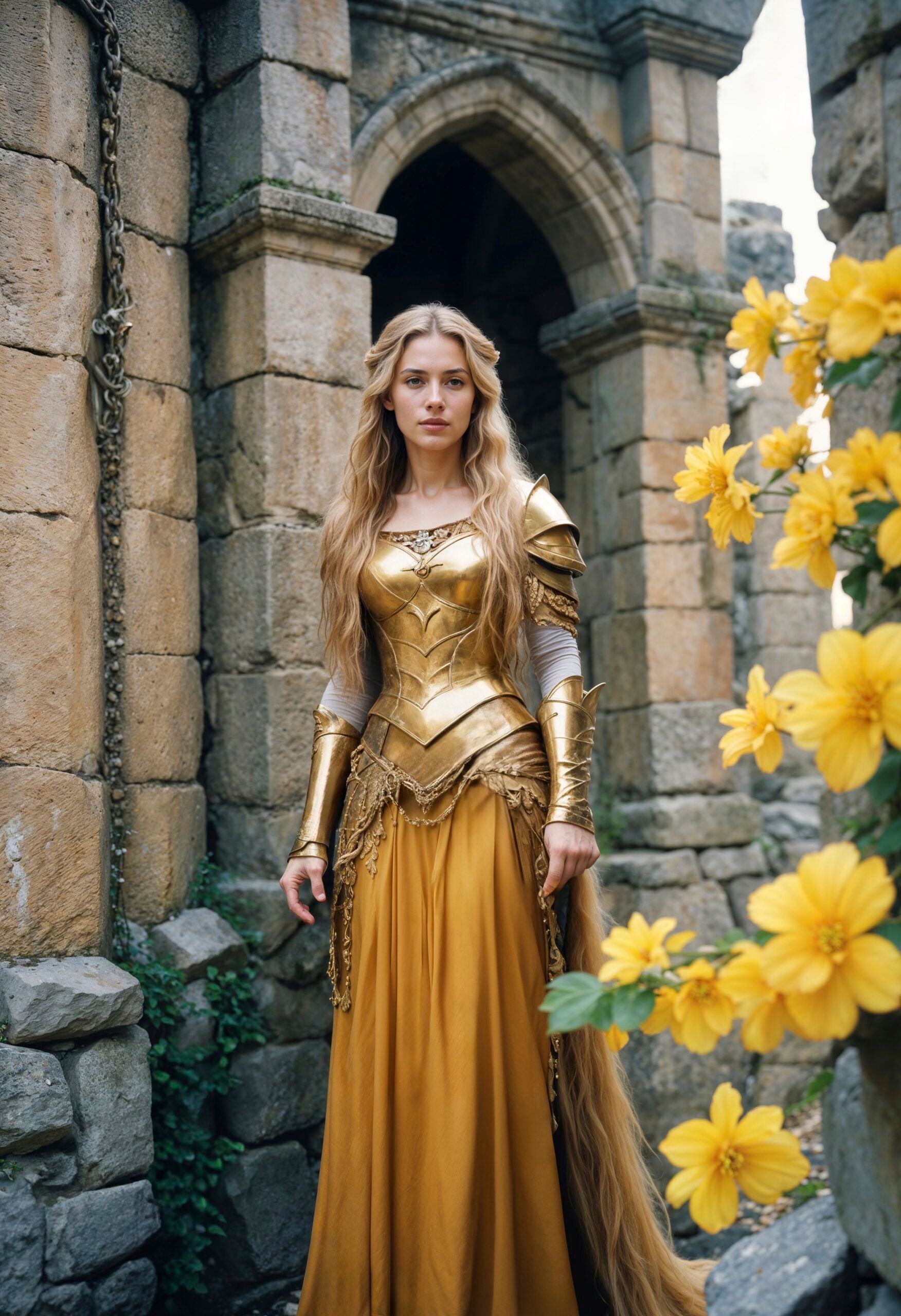
The Rise of Tailoring
The 12th century marked fashion’s revolutionary turn toward fitted garments. The introduction of the surcoat, cotte, and early doublets required precise cutting and sewing, establishing tailoring as a sophisticated craft. This fitted approach fundamentally changed how clothing related to the body.
Gothic Grandeur
The Gothic period (1150-1400) saw fashion reach unprecedented heights of complexity and decoration. Garments featured intricate construction, elaborate headdresses, and the widespread use of buttons as both functional and decorative elements. The houppelande and its variations created silhouettes that emphasised vertical lines and spiritual aspiration.
Key Benchmarks
| Period | Innovation | Significance |
| 800 CE | Fitted tunics | Body-conscious construction |
| 1100 CE | Crusade influences | Eastern textile introduction |
| 1200 CE | Button development | Functional closure |
| 1350 CE | Gothic silhouettes | Vertical fashion emphasis |
— Dinis Guarda with Jasmeen Dugal


