


resources
Navigating Innovation: Your Comprehensive Smart City California Map
09 Mar 2026

Considering the dynamic evolution of our urban landscapes? California stands as a pivotal force in the burgeoning realm of smart city development. This endeavor extends far beyond mere technological novelty; it's fundamentally about enhancing daily life and fostering stronger, more resilient communities. We'll delve into the foundational elements that define a 'smart' city and explore California's pioneering role in this transformation, leveraging data and cutting-edge technologies. It's quite an illuminating journey, one that truly begins with grasping the broader context.
Key Takeaways
- Smart cities harness technology and data to optimize municipal services and elevate the quality of life for residents.
- Real-time data, gathered from an array of sensors and urban systems, enables cities to respond dynamically to challenges such as traffic congestion or fluctuating energy demands.
- Numerous Californian cities are actively pursuing 'smarter' urban models through the strategic deployment of digital tools.
- Cultivating public trust and encouraging citizen adoption of these innovative systems is as critical as the technology itself.
- The trajectory of future smart cities points towards the integration of more advanced technologies, including AI, and sophisticated resource management strategies.
Understanding the Smart City California Map
Defining the Smart City Ecosystem
A smart city, far from being a collection of shiny new gadgets, represents a cohesive ecosystem meticulously engineered to optimize urban living. Envision it as a metropolis that intelligently collects information via technology, then utilizes that very intelligence to refine its operational efficacy. This expansive scope encompasses everything from orchestrating traffic flow to ensuring reliable power supply. The overarching objective is to cultivate cities that are both remarkably efficient and inherently more pleasant for their inhabitants. Ultimately, it’s about crafting a responsive environment capable of adapting adeptly to evolving needs.
The Role of Data in Urban Intelligence
Data truly acts as the indispensable engine propelling a smart city forward. It's meticulously gathered from a diverse array of sources, including sensors embedded in streetlights, traffic cameras, and even public transit networks. This rich data stream constructs a real-time mosaic of urban activity. For instance, should traffic begin to accumulate in a particular zone, the system can instantaneously detect this build-up and recalibrate traffic signals to mitigate congestion. This proactive methodology often allows cities to resolve nascent issues before they escalate into significant dilemmas. In essence, it’s akin to having a city that possesses the innate ability to perceive and react.
- Traffic Management: Real-time data facilitates the adjustment of signal timings and the redirection of vehicles to ease flow.
- Resource Allocation: Insights derived from energy usage or water consumption enable more judicious and efficient distribution.
- Public Safety: Monitoring metrics like crowd density or environmental conditions can significantly enhance emergency response capabilities.
While the collection and strategic utilization of data are central to a smart city's operational framework, it remains crucial to remember that technology serves as a means to enhance human experience. These systems are thoughtfully designed to adapt and respond, with the ultimate aspiration of fostering superior urban living.
Key Technologies Powering Smart Cities
A confluence of several sophisticated technologies collaborates seamlessly to ensure a smart city functions optimally. Integrated sensor networks effectively serve as the city's sensory organs—its eyes and ears—constantly accumulating vital information. Subsequently, advanced data analytics platforms meticulously process this colossal volume of data, unearthing critical patterns and actionable insights. Finally, real-time management systems leverage these insights to implement immediate adjustments, fostering a dynamic and remarkably responsive urban environment. Curious to delve deeper into these transformative technologies? You can uncover more insights at IntelligentHQ.
Here’s a concise overview of some foundational technologies:
- Internet of Things (IoT) Sensors: These devices tirelessly collect data on everything imaginable, from ambient air quality to the fill levels of waste bins.
- Artificial Intelligence (AI) and Machine Learning: Sophisticated algorithms analyze incoming data to predict potential issues and automate appropriate responses.
- 5G Networks: This high-speed communication infrastructure is paramount, facilitating rapid data transfer between countless devices and overarching systems.
- Cloud Computing: It provides the indispensable storage and processing capacity required for managing the vast quantities of urban data generated.
Core Components of Smart City Infrastructure
Integrated Sensor Networks
Consider a smart city as possessing an intricate nervous system. This sophisticated network comprises innumerable sensors, all meticulously collaborating to gather intelligence about their immediate surroundings. These aren't merely the conspicuous cameras you might spot on street corners; they are far more diminutive and diverse in their capabilities. We're referring to sensors adept at detecting air quality, meticulously monitoring traffic flow, precisely measuring noise levels, tracking energy consumption within buildings, and even signaling when a trash receptacle has reached its capacity. They are strategically deployed ubiquitously—on lampposts, embedded within roadways, aboard public transit, and throughout public facilities. The invaluable data they amass serves as the fundamental raw material that underpins every subsequent smart city function.
- Environmental Monitoring: Sensors specifically designed for air quality (detecting elements like CO2 and particulate matter), noise pollution, and temperature fluctuations.
- Traffic and Mobility: Sensors integrated into roads, strategically placed cameras, and GPS data from vehicles to meticulously track movement and identify congestion points.
- Utility Management: Sensors affixed to water pipes, power lines, and gas meters to diligently monitor usage patterns and swiftly detect leaks or outages.
- Public Safety: An array of cameras, sophisticated gunshot detection systems, and specialized sensors configured for rapid emergency response.
The sheer volume of data continuously generated by these expansive networks is, quite frankly, immense. It's akin to attempting to quench your thirst from a firehose. Without a robust mechanism to process this deluge, it remains mere noise. The true ingenuity emerges when this data is systematically collected, meticulously organized, and intelligently analyzed.
Advanced Data Analytics Platforms
Once the sensor networks have diligently performed their initial task, the collected data then requires rigorous processing. This is precisely where advanced data analytics platforms become indispensable. These are sophisticated software ecosystems designed to transform that torrent of raw information into something genuinely actionable and useful. They leverage powerful algorithms, machine learning, and artificial intelligence to discern subtle patterns, predict future occurrences, and pinpoint areas ripe for improvement. For instance, an analytics platform might observe a consistent slowdown in traffic at a particular intersection during peak hours and subsequently propose optimizing traffic light timings. Alternatively, it could forecast the probable failure of a critical piece of public infrastructure, such as a water pump, based on its historical usage patterns and maintenance logs.
- Pattern Recognition: Identifying recurring trends in phenomena like traffic flow, energy consumption, or the utilization of public services.
- Predictive Modeling: Forecasting future events, which could include impending traffic jams, potential equipment malfunctions, or projected demand for public transportation.
- Optimization Algorithms: Devising the most effective solutions for resource allocation, such as fine-tuning bus routes or ensuring equitable energy distribution.
- Real-time Dashboards: Presenting critical information in an easily digestible format for immediate comprehension by city managers and operational staff.
Real-Time Traffic Management Systems
Traffic remains one of the most visible and persistent challenges confronting any modern city, and smart technology promises truly significant enhancements in this domain. Real-time traffic management systems harness data from sensors, cameras, and GPS to meticulously monitor traffic conditions precisely as they unfold. This dynamic capability empowers cities to adjust traffic signals instantaneously, efficiently reroute vehicles around accidents or areas of congestion, and furnish drivers with minute-by-minute updates. The overarching objective is to sustain the smoothest possible traffic flow, thereby reducing travel times, curtailing emissions from idling vehicles, and ultimately rendering commutes far less stressful for everyone.
Here’s a closer look at the operational mechanics of these systems:
- Data Collection: Sensors embedded within roadways, advanced traffic cameras, and connected vehicles continuously feed real-time speed and volume data into the central system.
- Analysis: Sophisticated algorithms process this incoming data to accurately pinpoint congestion spots, anticipate how traffic dynamics will evolve, and assess the severity of any incidents.
- Action: The system possesses the capability to autonomously adjust traffic light timings, display variable speed limits on digital signage, and dispatch critical alerts to navigation applications or electronic road signs.
- Feedback Loop: The consequential impact of these interventions is rigorously monitored, allowing the system to continuously learn from its actions and refine its responses over time.
The ultimate aim, undeniably, is to engineer a more efficient and significantly less frustrating urban travel experience for all residents and visitors alike.
Enhancing Urban Living Through Smart Solutions
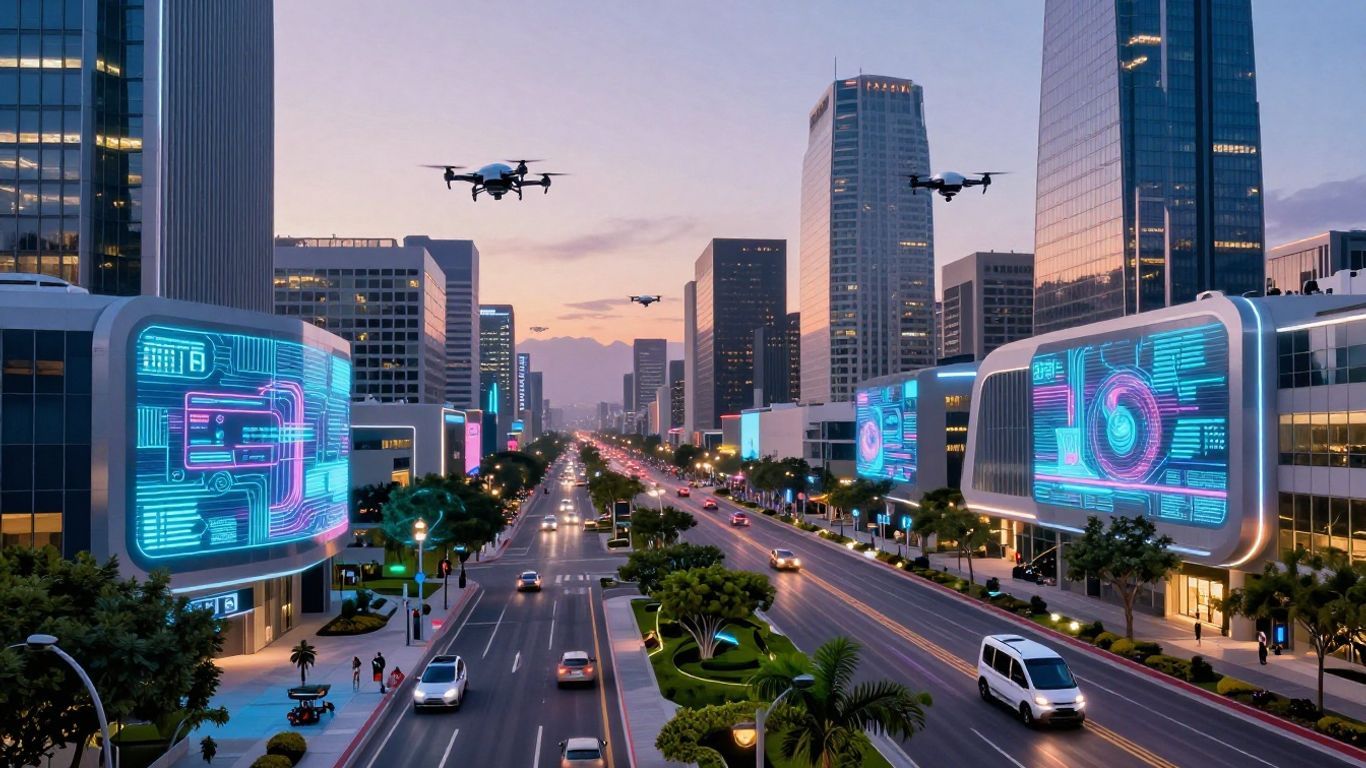
Smart city technology isn't merely about optimizing operations behind the scenes; its profound impact truly lies in its capacity to genuinely improve life for every individual who resides and works within the urban fabric. Consider, for a moment, your daily commute, the efficiency of your waste collection services, or even the very air you breathe. These are all critical facets of urban existence where intelligent solutions are beginning to effect tangible, positive change.
Optimizing Public Services
Cities are perpetually seeking avenues to accomplish more with finite resources, and smart technology emerges as an invaluable ally in this pursuit. Rather than merely reacting to infrastructure failures, municipalities can leverage data to anticipate potential problems long before they materialize. For instance, strategically placed sensors within water pipes can detect nascent leaks early on, resulting in substantial savings of both water and public funds. Waste management, too, becomes markedly more efficient by employing sensors in trash bins that signal when they require emptying, ensuring collection trucks are dispatched only where and when genuinely needed. This translates directly into reduced fuel consumption and fewer heavy vehicles contributing to urban congestion.
- Predictive maintenance for infrastructure: Proactively addressing issues before they escalate into failures not only conserves funds but also prevents significant disruptions.
- Dynamic resource allocation: Deploying essential services, such as waste collection or street cleaning, precisely when and where they are most required.
- Improved emergency response: Expedited access to real-time information can empower first responders to reach critical locations more swiftly and effectively.
Improving Transportation Efficiency
Traffic congestion remains a pervasive and significant source of frustration for the majority of urban dwellers. Smart cities employ a sophisticated blend of data from traffic cameras, integrated sensors, and even navigation applications to garner a real-time understanding of traffic flow. This crucial intelligence can then be utilized to dynamically adjust traffic light timings, expertly reroute drivers around unforeseen accidents, and provide more accurate, up-to-the-minute information to public transit users. Imagine an intelligent application that recommends the optimal departure time for your commute based on current traffic conditions, or public transport schedules that autonomously adapt to real-time passenger demand—that, undeniably, is the ultimate aspiration.
The underlying premise is to forge a transportation network focused not simply on moving vehicles, but on moving people and goods with maximum efficiency and predictability, thereby alleviating frustration and conserving precious time for everyone concerned.
Promoting Sustainability and Resource Management
Urban centers are inherently significant consumers of resources, and smart technology offers a powerful toolkit for more judicious management. Smart grids, for example, can more effectively balance the intricate dance between energy supply and demand, thereby minimizing waste. Intelligent irrigation systems in public parks utilize soil moisture sensors and real-time weather data to water plants only when absolutely necessary, leading to considerable water conservation. Even building management systems can be rendered smarter, intelligently adjusting lighting and heating based on occupancy levels and time of day to significantly reduce energy consumption. These seemingly minor adjustments, when aggregated, contribute to a substantial positive impact on a city's overall environmental footprint.
Navigating Smart City California Initiatives
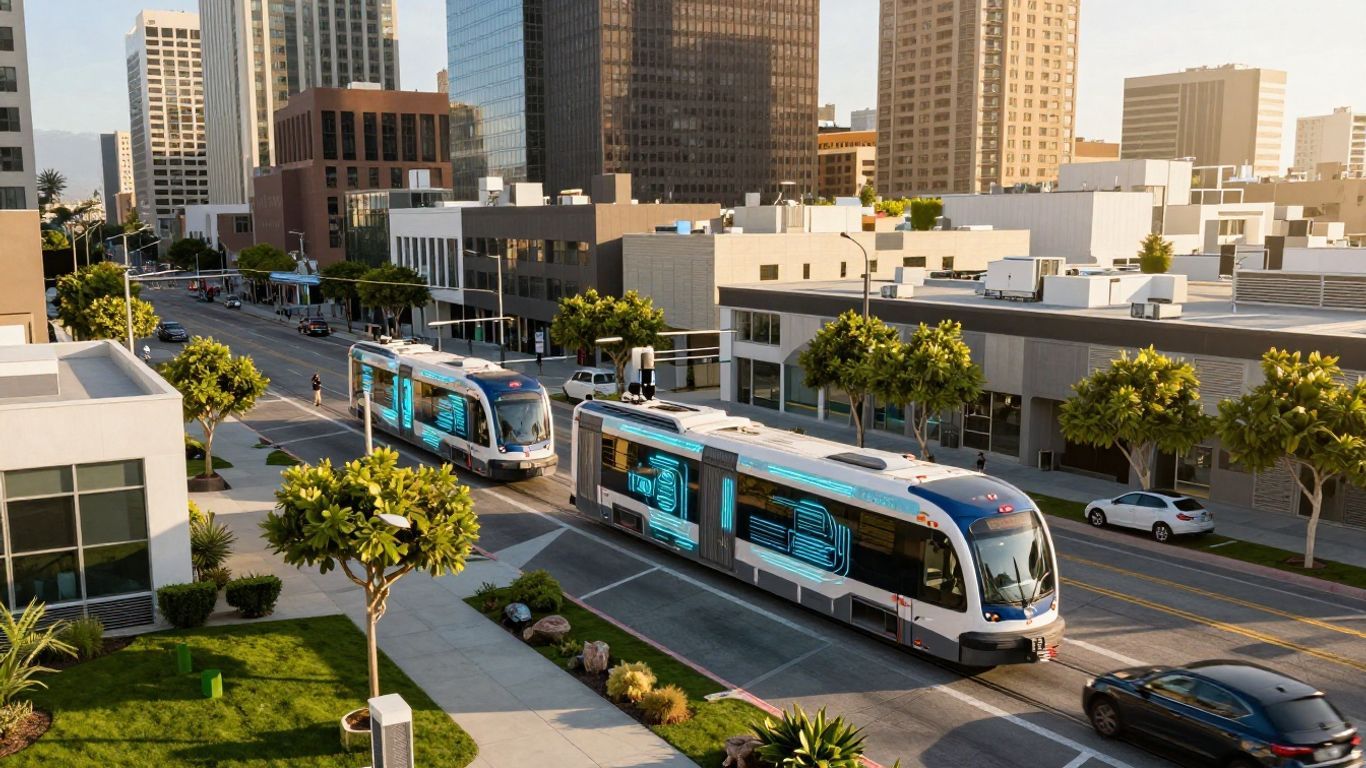
Mapping Urban Digital Transformation
California, unequivocally, stands at the vanguard of the movement to cultivate smarter, more efficient urban environments. This profound transformation isn't solely characterized by the deployment of novel gadgets; rather, it’s fundamentally about harnessing technology to address tangible, real-world challenges. Consider the exasperating reality of traffic jams—a common tribulation for countless Californians. Smart city technology can offer significant relief by meticulously analyzing traffic patterns in real time and dynamically adjusting traffic light timings to maintain fluidity. It's akin to endowing the city with an intelligent brain capable of instantaneous reaction to ever-changing conditions. This sweeping digital shift permeates every aspect of urban life, from how we navigate our surroundings to how we consume energy and manage our waste.
Key California Smart City Projects
Across the iconic Golden State, cities are actively implementing a diverse array of innovative solutions. In Redwood City, for instance, projects are strategically focused on integrating location intelligence to gain a deeper comprehension of community needs and optimize service delivery. Other municipalities are exploring sophisticated smart irrigation systems, utilizing sensors to water parks and public spaces only when genuinely required, thereby conserving precious water resources. Furthermore, we are witnessing remarkable advancements in public transit, with intuitive applications and real-time tracking capabilities making it considerably simpler for residents to opt for more environmentally conscious modes of travel. These groundbreaking projects clearly underscore a steadfast commitment to elevating urban life through the judicious application of smart technology.
Leveraging Location Intelligence for Cities
Location intelligence forms a crucial and increasingly prominent piece of this intricate smart city puzzle. It involves meticulously utilizing data inextricably linked to specific geographical points to inform superior decision-making. Envision a city planner scrutinizing a detailed map that visually delineates areas of peak energy consumption or zones suffering from severe traffic congestion. This precise form of information, diligently gathered from an array of sensors and other intelligent devices, empowers city leaders to accurately identify problematic areas and devise truly effective solutions. It enables a more targeted, surgical approach to the enhancement of services and critical infrastructure. This data-driven methodology ultimately helps cities become markedly more responsive and efficient, directly impacting the daily experiences of their residents.
Building Trust and Citizen Engagement
While smart city initiatives inherently promise substantial enhancements in urban living, their efficacy ultimately rests upon a bedrock of public trust. Without the active endorsement and genuine participation of residents, even the most technologically advanced systems are prone to underperform. It’s not merely a matter of deploying sensors and data platforms; it's about meticulously crafting systems with which people feel genuinely comfortable and can actively engage.
The Importance of Public Consent
Prior to the implementation of any smart city technology, it is paramount to thoughtfully consider the ethical ramifications and secure explicit public consent. This necessitates being forthright and transparent about precisely what data is being collected, the rationale behind its collection, and its intended usage. Ponder this scenario: if your neighborhood decided to install intelligent streetlights that also monitored pedestrian traffic, wouldn't you want to know who has access to that sensitive information and whether it’s genuinely being used to enhance safety or purely for surveillance purposes? Open and honest communication is absolutely key to dispelling suspicion and cultivating a collaborative rapport between municipal officials and their constituents.
Ensuring Data Governance and Transparency
Transparency in the handling of urban data is, without question, non-negotiable. Cities must establish unequivocal policies governing data ownership, robust security protocols, and stringent privacy safeguards. This extends beyond mere compliance with regulatory mandates; it’s fundamentally about demonstrating profound respect for citizens' personal information. When data is managed with accountability and in an open manner, individuals are far more inclined to place their trust in the systems that rely upon it. For example, a city might proactively publish anonymized reports on traffic flow or energy consumption, illustrating how the gathered intelligence translates into tangible public benefits without ever compromising individual privacy. This level of openness serves to demystify the technology and, crucially, builds confidence among the populace.
Fostering Citizen Interaction with Smart Systems
Intelligent cities should be meticulously designed with people at their core, not solely as data repositories. This inherently means creating ample opportunities for citizens to both interact with and directly benefit from smart urban systems. Consider these crucial elements:
- User-friendly interfaces: Applications and digital platforms must be intuitively designed and effortless for everyone to navigate, irrespective of their technical proficiency.
- Feedback mechanisms: Provide readily accessible channels for residents to report emerging issues, offer constructive suggestions, or pose questions pertinent to smart city services.
- Educational initiatives: Organize engaging workshops or develop comprehensive online resources to empower citizens with a clear understanding of how smart technologies operate and how they can personally leverage them.
The enduring success of smart city projects hinges on far more than just technological prowess; it absolutely demands a genuine, collaborative partnership with the community it serves. When residents feel thoroughly informed, actively involved, and profoundly respected, they naturally evolve into active participants in shaping a superior urban future. This collaborative methodology is, without a doubt, what truly makes a city intelligent.
For instance, initiatives that leverage Azure Maps for real-time transit updates or critical public service alerts can achieve remarkable effectiveness when meticulously paired with clear, compelling communication strategies. When citizens grasp the inherent value and genuinely trust the underlying process, they are significantly more inclined to adopt and ultimately benefit from these innovations, rendering the entire urban ecosystem more responsive and efficient for everyone involved.
The Future of Smart Cities in California
Innovations in Urban Mobility
California's vision for urban mobility extends far beyond mere intelligent traffic lights. The forthcoming wave of innovation in this sector envisions dynamic systems capable of adapting autonomously. Picture public transportation networks that recalibrate their routes based on real-time demand, or shared autonomous vehicles that seamlessly coordinate to alleviate congestion. We are already witnessing foundational steps with applications that display precise bus arrival times, but the future promises an even more deeply integrated network. Imagine a city where your commute isn't just optimized by live traffic data, but by sophisticated predictions of where people will need to go next. This could manifest as dynamic bus lanes that appear during peak hours or parking availability updated the very instant a vehicle vacates a spot. The overarching goal is to render movement within cities smoother, swifter, and significantly less environmentally impactful.
Sustainable Infrastructure Development
Cities are increasingly recognizing that 'smart' is intrinsically linked with 'sustainable.' This paradigm shift transcends the simple deployment of recycling bins that signal when they're full. It's about meticulously constructing infrastructure that operates harmoniously with our environment. Consider, for example, intelligent grids that can more effectively manage and balance energy derived from fluctuating solar panels and wind turbines, thereby smoothing out the inherent variability of renewable power sources. Water systems are also undergoing a technological renaissance, with sensors diligently monitoring usage and detecting insidious leaks before they can escalate into major problems. Buildings themselves are evolving to become smarter, incorporating features like windows that dynamically adjust their tint to precisely control heat and light, significantly reducing the energy demand for heating and cooling. These incremental, intelligent changes collectively contribute to a substantial positive impact on a city's ecological footprint.
The Evolving Role of AI and IoT
Artificial Intelligence (AI) and the Internet of Things (IoT) undeniably serve as the foundational engines propelling much of this transformative change. IoT devices—the countless sensors, cameras, and interconnected gadgets dispersed throughout a city—are ceaselessly collecting colossal volumes of data. AI then expertly processes this data, discerning intricate patterns and generating valuable predictions. For instance, AI can analyze continuous feeds from traffic cameras to anticipate where congestion will likely form, or it can meticulously monitor energy consumption across an entire neighborhood to pinpoint inefficiencies.
The true power of these advancements emerges when these disparate systems communicate and interact with one another. A sophisticated smart traffic system might seamlessly inform an intelligent public transit network, which, in turn, could dynamically adjust bus schedules. This profound interconnectedness is precisely what empowers cities to transition from merely reacting to problems to proactively managing the intricate tapestry of urban life.
Here’s a glimpse at how AI and IoT are fundamentally reshaping urban environments:
- Predictive Maintenance: Leveraging sensor data to anticipate when critical infrastructure, such as bridges or subterranean water pipes, might be prone to failure, thereby enabling proactive repairs before a costly breakdown occurs.
- Resource Optimization: AI algorithms can expertly manage complex energy grids, intricate water distribution networks, and efficient waste collection routes based on real-time demands and needs.
- Personalized Services: While still in nascent stages, AI holds the potential to eventually tailor public services, from optimizing transit routes to prioritizing park maintenance, to precisely meet the unique needs of distinct neighborhoods.
- Enhanced Public Safety: AI can analyze data from a multitude of diverse sources to empower emergency services to respond with unprecedented speed and effectiveness to critical incidents.
Looking Ahead: The Evolving Smart City
So, we've embarked on an exploration of how cities are strategically deploying technology to become inherently smarter, tackling everything from managing traffic congestion to conserving precious water resources. It’s abundantly clear that advanced systems, such as Azure Maps and Digital Twins, are instrumental in fostering more efficient urban operations. Yet, the narrative extends beyond the technology itself. It encompasses how effectively people engage with these innovations and how diligently we cultivate trust within the community. As our cities continue their inevitable trajectory of change and growth, the unwavering focus will remain on enhancing their efficiency, bolstering their sustainability, and, most importantly, transforming them into genuinely superior places for everyone to call home. The journey is continuous, and the prospect of what lies ahead is undeniably exciting.
Frequently Asked Questions
What exactly is a smart city?
Envision a smart city as an urban center that judiciously leverages technology to optimize various facets of city life for the benefit of all. It’s akin to endowing the city with an intelligent, responsive 'brain'! This involves employing tools like sensors and sophisticated computer systems to diligently gather information about ongoing urban dynamics, such as traffic flow or energy consumption patterns. Subsequently, this gathered intelligence is utilized to streamline the management of municipal services and, ultimately, to simplify daily life for its residents.
How does data help make a city smarter?
Data, quite simply, functions as the vital intelligence that empowers a city to make astute decisions. Imagine sensors operating as the city's perceptive 'eyes and ears,' meticulously collecting granular details about traffic conditions, air quality, or even the fill level of public trash receptacles. This voluminous data is then rigorously analyzed to uncover discernible patterns. For instance, if data consistently indicates significant traffic on a particular thoroughfare, the city can intelligently adjust traffic light sequences to help alleviate the ensuing congestion.
What kind of technology is used in smart cities?
Smart cities integrate a fascinating array of advanced technologies. This encompasses extensive networks of sensors capable of detecting everything from ambient temperature to motion, powerful computing systems designed to rapidly analyze vast quantities of information, and robust communication networks that enable seamless interaction between all urban components. Think of innovative smart traffic signals, sophisticated systems for managing energy usage, or intuitive applications that guide you to available parking spaces.
How do smart cities improve daily life?
Smart cities are specifically engineered to elevate daily life by enhancing critical areas such as transportation, public services, and resource utilization. For example, intelligent traffic systems can significantly shorten your daily commute. More efficient management of water and energy resources contributes to a more sustainable urban environment. Furthermore, these interconnected systems empower city officials to respond more swiftly to emerging issues, thereby fostering safer and more efficient communities for everyone.
Why is it important for people to trust smart city technology?
Cultivating public trust in these burgeoning technologies is profoundly important because they inherently involve the collection of information about our urban environments and our daily routines. Should individuals lack confidence that their information is being handled responsibly and securely, they will naturally be hesitant to embrace such systems. Consequently, cities bear the crucial responsibility of maintaining transparency regarding data usage and rigorously safeguarding every resident’s privacy.
What's next for smart cities in California?
The outlook for smart cities in California is, without a doubt, incredibly promising! We anticipate the emergence of even more sophisticated methods for managing traffic and public transportation, ensuring smoother, more efficient movement throughout urban areas. There will be an intensified focus on harnessing technology to further environmental stewardship, such as reducing overall energy and water consumption. Additionally, advanced smart technologies like artificial intelligence (AI) are poised to play an increasingly central role in helping cities operate with greater fluidity and adapt dynamically to evolving urban demands.


