
business resources
Responsibilities: What Are Essential Duties for Success?
18 Dec 2025

In today's fast-paced work environment, truly understanding your responsibilities is the bedrock of a successful career. It’s about so much more than just clocking in and out; it’s about knowing precisely what’s expected of you and how to deliver on that. This guide is designed to walk you through the different facets of workplace responsibility—from your daily to-do list to the way we interact with each other and ensure our environment is safe. Getting a firm grip on these areas not only fuels your professional growth but also contributes to a healthier, more productive workplace for all of us.
Key Takeaways
- The first step toward success? It's all about clearly understanding your specific role and the duties that come with it. When you know what’s expected, you eliminate confusion and can channel your efforts where they count.
- Your professional duties really boil down to completing tasks with precision, managing your time to nail deadlines, and delivering quality work—consistently. These are the actions that build a reputation for trust and reliability.
- Ethical responsibilities, like keeping sensitive information confidential and sticking to company policies, are absolutely vital for fostering integrity and trust across the entire organization.
- Staying on top of health, safety, and environmental guidelines is a shared duty that protects you, your colleagues, and the company’s valuable resources.
- Let's not forget communication and teamwork. They're the critical glue for effective collaboration, smart problem-solving, and cultivating a positive, inclusive atmosphere at work.
Understanding Core Employee Responsibilities
At its very core, being a standout employee means grasping and fulfilling a set of key responsibilities. These aren’t just arbitrary rules pulled from a handbook; they are the very foundation of a productive, dependable, and positive workplace. When you’re clear on what’s expected, you can tackle your duties with confidence and make a real contribution to your team and the company's vision. It’s about more than just ticking boxes—it's about the mindset you bring to your work, how you engage with your peers, and the professional way you carry yourself.
Defining Your Role and Responsibilities
Think of your role as your specific position within the company, while your responsibilities are the duties and tasks tied to that title. Getting crystal clear on these is the absolute first step toward high performance. It means knowing what you’re accountable for, what results are anticipated, and how your day-to-day work slots into the bigger picture.
- Get to know your job description: This document is your starting point, outlining your main duties and the company's expectations.
- Don't be afraid to ask questions: If something feels a bit fuzzy, it's always better to seek clarification from your manager or a teammate.
- Connect to the mission: Understand how your individual contributions help push the team's and the company's broader goals forward.
The Importance of Clarity in Expectations
When things are ambiguous, it’s a recipe for mistakes, blown deadlines, and frustration all around. But when expectations are spelled out clearly, you can focus all your energy on doing your job and doing it well. This kind of clarity is what prevents misunderstandings and makes sure everyone is pulling in the same direction.
You can think of clear expectations as a roadmap; they guide your daily actions and help you prioritize your work effectively. Without that map, it's all too easy to get sidetracked or pour effort into tasks that aren't the top priority.
Skills Versus Responsibilities: A Key Distinction
It’s important to draw a line between skills and responsibilities. Your skills are the abilities you bring to the table (like coding, persuasive writing, or critical thinking), whereas responsibilities are the specific duties you're assigned. You might be skilled in graphic design, for example, but your responsibility is to apply that skill to create compelling marketing materials. In short, an employer hires you for your skills, but they truly rely on you to fulfill your responsibilities using those skills.
Professional Responsibilities for Workplace Success
Thriving in any professional role really hinges on a solid grasp and consistent follow-through of your duties. These responsibilities aren't just items on a checklist; they represent the very fabric of your contribution to the team and the broader organization. Nailing these areas helps operations run like a well-oiled machine and solidifies your reputation as someone who can be counted on.
Completing Assigned Tasks with Precision
Every single task that lands on your desk comes with an implicit expectation of accuracy and care. What does that mean in practice? It's not just about getting the work done, but about getting it right the first time. Precision means paying close attention to the details, following instructions to the letter, and ensuring the final product meets—or exceeds—the required standards. It’s all about delivering work that is correct, complete, and doesn't create extra cleanup work for others.
Managing Time and Meeting Deadlines Effectively
We all know time is a precious resource, and managing it skillfully is fundamental to productivity. This involves the art of prioritizing tasks, strategically planning your workday, and dedicating enough time to each of your responsibilities. Hitting deadlines isn’t just about dodging trouble; it’s a powerful signal of your dependability and your respect for other people's schedules and the project's timeline. Often, the secret to effective time management is simply breaking down huge projects into smaller, more digestible steps.
Maintaining High Standards of Work Quality
The quality of your work is a direct reflection of your professional commitment. When you consistently produce high-quality output, you build a deep well of trust with your colleagues and leaders. This involves a constant pursuit of accuracy, clarity, and completeness in everything you touch. It also requires a proactive mindset—spotting potential problems early and tackling them before they can compromise the final result.
Documenting Work for Accountability
Proper documentation isn't just busywork; it serves several crucial functions. It creates a clear and accessible record of your activities, which is invaluable for tracking progress, compiling reports, and referencing later on. Good documentation also bolsters accountability by showing exactly what was done, when it was completed, and who was responsible. This practice is especially critical on complex projects or within teams, as it ensures everyone is on the same page and knowledge can be shared seamlessly.
Ethical Responsibilities and Workplace Integrity
Beyond your daily tasks and projects, there's an essential layer of conduct that ensures the workplace runs smoothly and trust is maintained. This all comes down to ethical responsibilities and acting with integrity in everything you do. But what does that actually look like day-to-day?
Upholding Confidentiality and Trust
Just think about the sheer amount of information you handle at work. Some of it is bound to be sensitive—we’re talking client details, internal company strategies, or private employee data. Protecting this information isn't just a rule; it's a core ethical duty. It's about honoring the trust that your colleagues, clients, and the company have placed in you. A breach of confidentiality, even an accidental one, can lead to serious fallout, from damaged relationships to legal trouble. This means being incredibly mindful of what you discuss, where you have those conversations, and with whom. Solid data handling and secure communication aren't just IT's job; they're everyone's responsibility.
Adhering to Company Policies and Procedures
Every organization has its own set of guidelines, policies, and procedures. It's easy to see these as mere bureaucratic hoops to jump through, but they exist for a good reason: to create a fair, safe, and productive environment for everyone. This covers everything from the employee handbook and code of conduct to very specific operational protocols. Taking the time to understand and follow these rules demonstrates respect for the organization and your coworkers, and it helps ensure a consistent and predictable way of working.
Demonstrating Integrity in All Interactions
Integrity is a simple concept—it means being honest and sticking to strong moral principles. In the workplace, this plays out in being truthful in your communications, treating others fairly, and taking full responsibility for your actions. It also means steering clear of conflicts of interest and being transparent when problems pop up. Building a reputation for integrity is a long game, one that pays huge dividends for both your personal career and the overall health of the company.
So, what does showing integrity really involve?
- Being truthful in all your communications and reports.
- Treating colleagues, clients, and partners with genuine fairness and respect.
- Actively avoiding situations that could even appear to be a conflict of interest.
- Owning up to mistakes and being part of the solution to fix them.
Acting with integrity isn't always the path of least resistance, but it's the only one that builds lasting trust and respect. It really is about doing the right thing, especially when no one is watching.
Health, Safety, and Environmental Responsibilities
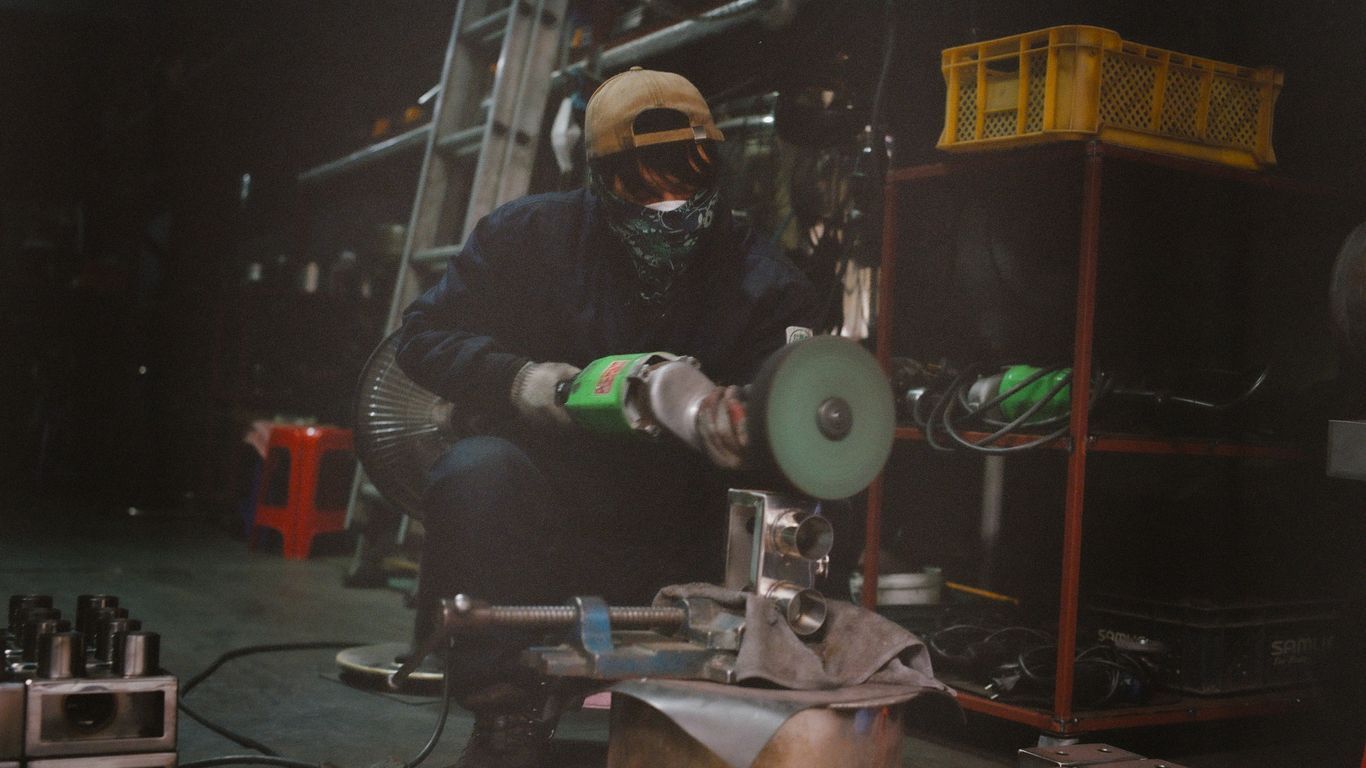
Being Safety Conscious and Aware
While companies are responsible for providing a safe workplace, employees have a huge role to play in making that a reality. It's about more than just following a list of rules; it's about developing an active mindset where you consider how your actions might impact yourself and those around you. This means staying alert to your surroundings, understanding the potential risks of your job, and knowing the emergency plan. Think about it: Are you aware of potential trip hazards in the hallway? Do you know the location of the nearest fire extinguisher? Being safety conscious means these kinds of questions are always in the back of your mind.
Reporting Unsafe Conditions Promptly
If you spot something that doesn't look quite right, don't just walk past it. Reporting unsafe conditions as soon as you see them is one of the most vital contributions you can make to workplace safety. It could be anything—a frayed electrical cord, a spill on the floor, or a machine making a strange noise. Your supervisor or safety officer needs to be in the loop so they can address the issue before an accident happens. This isn't about tattling; it's about prevention and ensuring everyone gets to go home in one piece at the end of the day. A simple, quick report can truly make all the difference.
Responsible Use of Workplace Resources
This area of responsibility touches on how you handle the company's property and materials. It covers everything from office supplies and equipment to energy and water. Using these resources wisely isn't just good for the company's bottom line; it also reduces waste and fosters a more sustainable operation. Simple things like turning off lights in an empty room, thinking twice before you print, and taking proper care of company equipment all fall under this category. It’s about remembering that these resources are there to help everyone do their job—and they need to be managed with care.
Being mindful of health, safety, and environmental practices isn't just about checking a compliance box; it's about actively contributing to a positive and sustainable work environment for every single person.
Here are some key areas to keep in focus:
- Personal Protective Equipment (PPE): Always use the PPE required for your tasks, whether it’s safety glasses, gloves, or a hard hat. And make sure it fits you correctly and is in good shape.
- Hazard Identification: Stay aware of common workplace hazards like slips, trips, falls, electrical risks, and chemical exposures. Know the right procedures for handling materials safely.
- Emergency Procedures: Take the time to familiarize yourself with the emergency plans—know your evacuation routes, assembly points, and where to find first-aid kits and fire extinguishers.
- Waste Management: Understand and follow the company’s rules for disposing of different types of waste, especially when it comes to recycling or hazardous materials.
Teamwork and Communication Responsibilities
No job exists in a vacuum. Working effectively with others and sharing information clearly are fundamental parts of almost any role. It’s never just about your individual tasks; it’s also about how you interact with colleagues and contribute to the team's collective success. Great teamwork and solid communication are what make a workplace truly hum.
Communicating Clearly and Attentively
Effective communication is all about making sure your message lands just as you intended. This means speaking and writing in a way that’s straightforward and easy for others to grasp. But it's a two-way street—it also means listening intently when others are speaking so you can fully understand their perspective and respond thoughtfully. When instructions are murky or information gets lost in translation, it’s a recipe for mistakes and wasted effort. Being a sharp communicator helps head off these problems before they start.
Here are a few quick tips to sharpen your communication:
- Be direct and to the point: Cut through the fluff and get straight to what matters.
- Pick the right channel: Ask yourself—is this an email, a quick chat, or a formal meeting?
- Confirm you're on the same page: A simple "Does that make sense?" can prevent a world of confusion.
- Pay attention to your tone: How you say something can be just as important as what you say.
Remember, great communication isn't just about talking—it's about building mutual understanding and connection. It demands active listening just as much as thoughtful expression.
Participating Actively in Team Projects
When you're on a team project, your engagement is crucial. This means more than just doing your assigned part; it's about contributing your ideas, sharing updates on your progress, and offering a helping hand to your teammates. It’s about being a reliable member of the crew who pulls their own weight and helps propel the entire team forward. Active participation means you’re invested in the project's goals and ready to tackle its challenges together.
- Share what you know: Offer your unique insights and potential solutions.
- Keep everyone in the loop: Let your team know how your tasks are going and if you've hit any roadblocks.
- Lend a hand: If you've got the bandwidth, offer to help a colleague who seems swamped.
- Embrace collaboration: Work together to find the smartest way to get things done.
Respecting Diversity and Fostering Inclusion
Every workplace is a tapestry of people with different backgrounds, life experiences, and points of view. Respecting these differences isn’t just good manners; it's essential for creating an environment where everyone feels valued and psychologically safe. Inclusion takes it a step further—it means actively ensuring that every team member has a voice and feels comfortable bringing their whole self to work. When people feel seen, heard, and respected, they are far more likely to be engaged, creative, and productive.
- Treat everyone with courtesy: It doesn't matter what their title or background is.
- Listen with an open mind: Be receptive to viewpoints that differ from your own.
- Acknowledge people's efforts: Recognize and appreciate the contributions of all team members.
- Be an ally: If you see unfair treatment or exclusionary behavior, don't be a bystander.
Continuous Learning and Professional Development
The modern workplace is in a constant state of flux—what works today might be outdated tomorrow. Simply coasting on what you already know isn't a sustainable long-term strategy. To really thrive, you have to embrace the idea of continuous learning and always be looking for ways to get better at what you do. This means keeping an eye out for emerging skills and new ways of working.
Engaging in Skill Development
Take a moment to think about your job. What skills are you using every single day? Now, what skills might you need next year, or for that promotion you're eyeing? It's incredibly smart to proactively work on building those capabilities. This could mean anything from taking online courses and attending workshops to simply dedicating time to read industry publications. Many companies even offer internal training, and platforms like Coursera or LinkedIn Learning are treasure troves of knowledge. The goal isn't just to collect certificates—it's to genuinely learn and be able to apply those new abilities in a practical way.
- Pinpoint the skills needed for your current role and your future career goals.
- Look into online courses, professional workshops, and relevant certifications.
- Put new skills into practice through small projects or even volunteer work.
Seeking and Responding to Feedback
Let's be honest, getting feedback from your manager or peers can sometimes sting a little, but it's one of the most direct paths to improvement. The key is to not just hear the feedback, but to truly listen to it. What's the core message? Try to see things from their perspective. Then, come up with a concrete plan to act on it. If you start hearing the same piece of feedback from multiple people—that’s a huge sign that it’s something you should really pay attention to.
Feedback is a gift, even when it’s tough to unwrap. It shines a light on your blind spots and shows you exactly where you can grow to become more effective.
Adapting to Evolving Workplace Practices
Workplaces are anything but static. New technologies get introduced, teams get restructured, and customer expectations shift. This means the way we work today might look very different tomorrow. Being flexible and open to change is absolutely critical. This could mean getting up to speed on new software, adjusting to different communication tools (hello, more video calls!), or getting familiar with a new project management methodology. Companies are constantly adopting new systems, and it's ultimately up to employees to learn them and use them effectively.
- Keep yourself informed about industry trends and new technologies.
- Maintain a willingness to learn and adopt new tools and platforms.
- Be flexible in adjusting your work methods as company processes change over time.
Wrapping Up: Your Path Forward
So, we've covered a lot of ground on what it truly means to be a responsible employee. It's clearly about more than just your job description—it's about your whole approach to work, from showing up ready to contribute and communicating well, to staying safe and being an excellent teammate. When you nail these fundamentals, you’re not only helping your team and the company succeed, but you're also building a stellar reputation for yourself and paving the way for your own growth. Think of it this way: mastering these responsibilities is your ticket to not just getting by, but to truly thriving and making a meaningful impact in your career. Keep these ideas in your back pocket as you go about your work—they really do make all the difference.
Frequently Asked Questions
What is the main difference between a role and a responsibility at work?
A simple way to think about it is that your role is your job title, like 'Project Manager' or 'Sales Associate.' Your responsibilities are the specific tasks you're expected to do within that role, such as 'creating project timelines' or 'assisting customers.' Your role gives you a place in the company, while your responsibilities tell you what you need to do each day.
Why is it important to complete tasks accurately and on time?
Finishing your work correctly and on schedule is a huge sign that you're reliable and professional. It keeps projects moving smoothly for the whole team, prevents bottlenecks, and builds a foundation of trust with your manager and colleagues. It’s like being a dependable link in a chain—everyone counts on you.
How can I make sure I'm being a good team player?
Being a good team player comes down to a few key things: communicating clearly, really listening to what others have to say, and sharing your own ideas. It also means offering help when a teammate is swamped and always being respectful of different backgrounds and perspectives. When everyone collaborates, the entire team wins.
What does it mean to be 'safety conscious' at work?
Being safety conscious is all about keeping your head on a swivel—paying attention to your surroundings and following safety rules to head off accidents before they happen. If you spot a potential hazard, like a puddle on the floor or a frayed cord, the responsible thing is to report it immediately. This helps protect everyone.
Why should I keep company information private?
Keeping company information confidential—things like client lists, financial data, or future product plans—is vital for maintaining trust and security. Leaking this kind of information can seriously damage the company's competitive edge and reputation. Think of it as being a trusted guardian of important secrets.
What is continuous learning, and why is it important for my career?
Continuous learning is the ongoing effort to expand your skills and knowledge, whether by taking a course, attending a webinar, or learning new software. It’s incredibly important because the world of work is always changing. Staying curious and learning new things helps you remain a valuable asset, adapt to new challenges, and unlock future career opportunities.
Share

Peyman Khosravani
Industry Expert & Contributor
Peyman Khosravani is a global blockchain and digital transformation expert with a passion for marketing, futuristic ideas, analytics insights, startup businesses, and effective communications. He has extensive experience in blockchain and DeFi projects and is committed to using technology to bring justice and fairness to society and promote freedom. Peyman has worked with international organisations to improve digital transformation strategies and data-gathering strategies that help identify customer touchpoints and sources of data that tell the story of what is happening. With his expertise in blockchain, digital transformation, marketing, analytics insights, startup businesses, and effective communications, Peyman is dedicated to helping businesses succeed in the digital age. He believes that technology can be used as a tool for positive change in the world.


