
resources
Implementing Effective Smart Growth Policy for Sustainable Urban Development
11 Jul 2025

Cities today face big challenges like crowded roads, dirty air, and not enough affordable homes. It’s a lot to deal with. But there’s this idea called smart growth policy that can really help. It’s all about building cities in a way that makes them better to live in, more friendly to the environment, and good for everyone’s wallets. We’re going to look at what smart growth is all about, why it’s good for us, and how we can actually make it happen in our communities.
Key Takeaways
- Smart growth policy builds cities that are easy to walk around, have different types of buildings close together, and offer good public transport.
- These policies can cut down on traffic and air pollution, create more jobs, and make people healthier.
- Designing sustainable city spaces means using green areas, making buildings energy efficient, and planning for changing weather.
- Putting smart growth ideas into action needs community input, using facts to make choices, and working with other local and state groups.
- There are many ways to pay for smart growth projects, like working with private companies or offering tax breaks.
Principles of Smart Growth
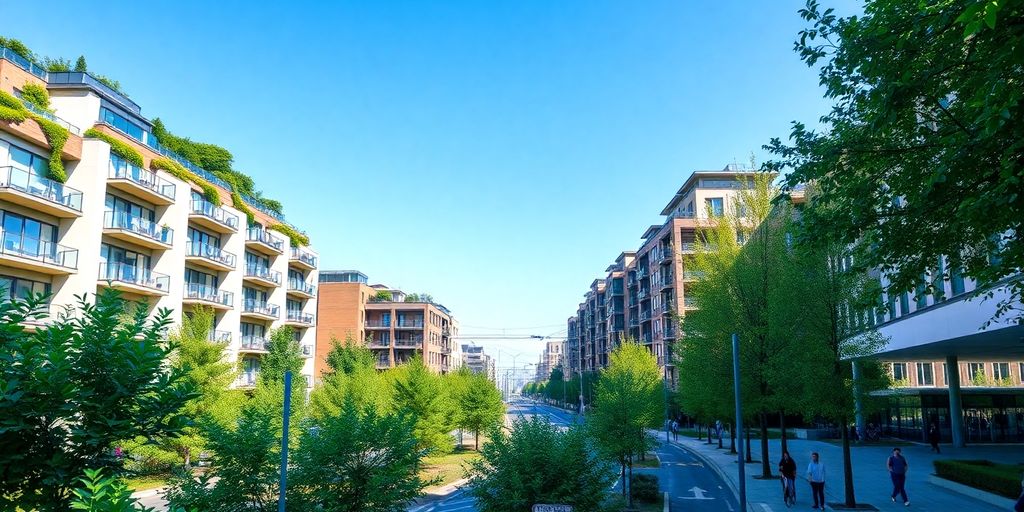
Smart growth is all about making our communities better places to live. It’s a way of planning that focuses on creating neighborhoods that are not only sustainable but also vibrant and inclusive. The core idea is to build in a way that supports economic growth, protects the environment, and enhances the quality of life for everyone. It’s about thinking long-term and creating places where people want to be.
Compact and Walkable Development
One of the main things about smart growth is compact development. This means designing cities and towns so that homes, shops, and workplaces are close together. The goal is to make it easy for people to walk, bike, or take public transit instead of driving everywhere. When things are closer, it cuts down on traffic, makes the air cleaner, and helps people stay active. It’s about creating neighborhoods where you can easily run errands, go to the park, or meet friends without needing a car.
Mixed-Use and Diverse Land Use
Another key part of smart growth is mixed land use. This means combining different types of buildings and activities in the same area. Instead of having separate zones for housing, shopping, and offices, you mix them together. This creates more lively and interesting neighborhoods. It also provides more opportunities for people to live, work, and play in the same area. This can lead to stronger local economies and more diverse communities.
Public Transportation and Infrastructure
Good public transportation is super important for smart growth. This means investing in things like buses, trains, and bike lanes. It also means making sure that streets are safe and easy to walk on. When people have good transportation options, they’re less likely to rely on cars. This can reduce traffic congestion, improve air quality, and make it easier for people to get around. It’s about creating a transportation system that works for everyone, not just drivers.
Smart growth is not just about building better buildings; it’s about building better communities. It’s about creating places where people can thrive, where the environment is protected, and where the economy is strong. It requires a collaborative approach, where everyone works together to create a shared vision for the future.
Benefits of Smart Growth
Smart growth offers a lot of good things for cities and the people who live there. It’s not just about making things look nicer; it’s about making life better in a bunch of different ways. Let’s take a look at some of the main advantages.
Reduced Traffic Congestion and Air Pollution
One of the most noticeable benefits of smart growth is less traffic. When you design communities so that people can walk, bike, or take public transit easily, fewer people need to drive everywhere. This means fewer cars on the road, which leads to less traffic and cleaner air. The EPA says that smart growth can cut down on how much people drive by 20-40% and lower greenhouse gas emissions by 10-20%. Imagine breathing easier and spending less time stuck in traffic!
Increased Economic Opportunities
Smart growth can also boost the economy. When you mix different types of buildings together, like homes, shops, and offices, it creates more activity and brings in more money. The Urban Land Institute found that mixed-use developments can make property values go up by 10-20% and help local businesses by giving them a wider range of customers. It’s all about creating lively places where people want to be.
Improved Public Health
Another big plus of smart growth is better health. When cities are designed to encourage walking, biking, and being active, people tend to be healthier. Plus, having access to parks and green spaces makes a huge difference. The World Health Organization (WHO) says that urban planning that focuses on walkability, bikeability, and green spaces can lower the risk of chronic diseases like heart disease and diabetes by 10-20%. That’s a pretty significant improvement!
Smart growth isn’t just about making cities look good; it’s about creating places where people can thrive. By focusing on things like walkability, mixed-use development, and access to green spaces, we can build communities that are healthier, more prosperous, and more sustainable.
Here’s a quick summary of the benefits:
| Benefits | Description |
|---|---|
| Reduced Traffic Congestion | Compact, walkable communities mean less driving. |
| Increased Economic Opportunities | Mixed-use areas support local businesses and increase property values. |
| Improved Public Health | More walking, biking, and green spaces lead to healthier lives. |
Designing Sustainable Urban Environments
Designing urban areas with sustainability in mind is super important for smart growth. It means making cities that are not just good for the environment but also strong and nice places to live. Let’s look at some ways to make this happen.
Green Infrastructure and Urban Ecology
Green infrastructure is a big deal. Think parks, green roofs, and even green walls. They help keep the city’s environment in balance. These things can cool down cities, handle rainwater, and clean the air. By adding green infrastructure into how we design cities, we can make them better for people and the planet.
Here are some good things about green infrastructure:
- It helps lower the urban heat island effect.
- It makes the air cleaner.
- It helps different plants and animals live in the city.
- It can make properties worth more.
- It can make people feel better.
Energy Efficiency and Renewable Energy Integration
To cut down on a city’s carbon footprint, we need buildings that use less energy and more renewable energy. Here’s how we can do it:
- Make building codes that push for energy efficiency.
- Give people reasons to use renewable energy like solar and wind power.
- Invest in things like LED lights and better heating and cooling systems.
Climate-Resilient Infrastructure
Climate-resilient urban planning means designing cities that can handle climate change. This includes things like rising sea levels, crazy weather, and heat waves. Here’s what we can do:
- Figure out where the city is most at risk by doing climate risk assessments.
- Build strong infrastructure like sea walls.
- Use green infrastructure to help with the urban heat island effect.
Building with nature isn’t just good for the environment; it also saves cities money by reducing the need for costly drainage systems.
Implementing Smart Growth Strategies
Implementing smart growth isn’t just about having good ideas; it’s about putting them into action. It requires a coordinated effort, using data to guide decisions, and working closely with various stakeholders. It’s a collaborative process that shapes how our communities evolve.
Engage with Local Communities and Stakeholders
Getting everyone on board is super important. You can’t just impose changes; you need to listen to the people who live and work in the area. This means talking to residents, business owners, and community groups to figure out what they need and want. It’s about building trust and making sure that smart growth initiatives reflect the values of the community. Think of it as a conversation, not a lecture.
Use Data and Analytics to Inform Planning Decisions
Data is your friend. Instead of guessing, use information about demographics, traffic patterns, and land use to make smart choices. This helps you figure out where to focus your efforts and how well your strategies are working. Data-driven planning can help identify areas that need attention and develop targeted solutions. It’s like having a GPS for urban development.
Collaborate with Regional and State Agencies
Don’t go it alone! Team up with regional and state agencies. They have resources and expertise that can be a huge help. This means working with agencies that handle transportation, housing, and economic development to coordinate policies and secure funding. Regional collaboration is key to tackling the complex challenges that cities face. It’s about pooling resources and working together to achieve common goals.
Implementing smart growth strategies effectively requires a collaborative and data-driven approach. By engaging with local communities, using data to inform planning decisions, and collaborating with regional and state agencies, cities can create more livable, sustainable, and equitable communities.
Implementing Smart Growth in Practice
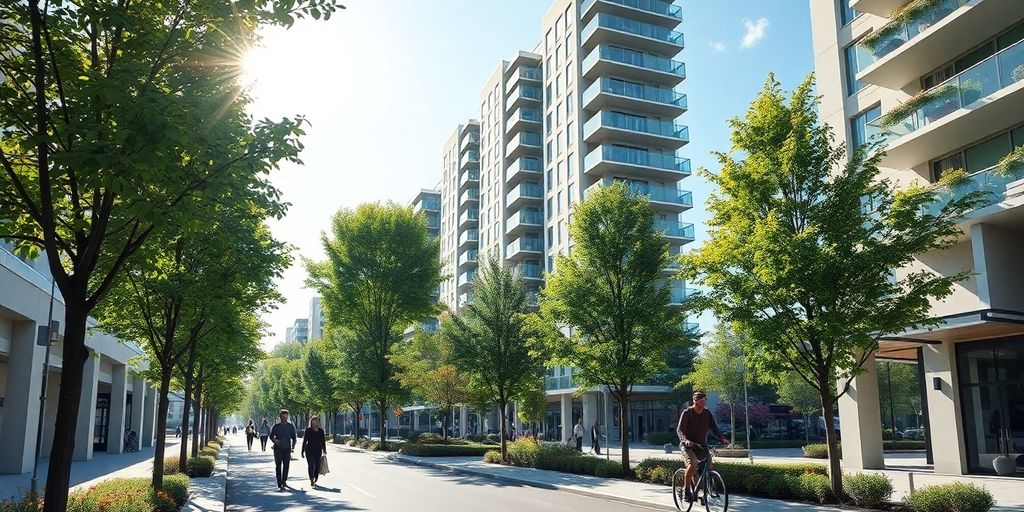
Implementing smart growth isn’t just about theory; it’s about making it happen on the ground. This means getting into the nitty-gritty of policy changes, funding, and, most importantly, getting everyone on board. Successful implementation requires a mix of strategic planning, community involvement, and a willingness to adapt to local conditions.
Case Studies of Successful Smart Growth Initiatives
Looking at what’s worked elsewhere can be a great starting point. Here are a few examples:
- Curitiba, Brazil: This city is famous for its bus rapid transit (BRT) system, which has greatly reduced traffic congestion and pollution. They also have a strong focus on green spaces.
- Arlington County, Virginia: A great example of transit-oriented development. They’ve concentrated growth around their Metro stations, creating walkable, mixed-use neighborhoods.
- Freiburg, Germany: Known as a green city, Freiburg has invested heavily in renewable energy, sustainable transportation, and energy-efficient buildings.
Policy and Regulatory Frameworks for Smart Growth
To make smart growth stick, you need the right rules in place. This often means updating zoning codes and land-use regulations. Some key strategies include:
- Mixed-Use Zoning: Allowing a mix of residential, commercial, and even light industrial uses in the same area.
- Density Bonuses: Giving developers incentives to build denser projects that include affordable housing or green building features.
- Parking Minimums Reform: Reducing or eliminating minimum parking requirements, which can encourage walking, biking, and transit use.
Financing and Funding Strategies for Smart Growth Projects
Smart growth projects often require creative funding solutions. Here are a few options:
- Tax Increment Financing (TIF): Using future property tax revenues from a development to pay for upfront infrastructure costs.
- Public-Private Partnerships (PPPs): Partnering with private developers to share the costs and risks of a project.
- Grants and Loans: Seeking funding from federal, state, and local government programs, as well as private foundations.
It’s important to remember that smart growth isn’t a one-size-fits-all solution. What works in one community may not work in another. The key is to tailor your approach to the specific needs and context of your area.
Community Engagement and Participation
Community engagement is super important for smart growth. If you get people involved, you can make sure that new development actually helps the community and fits what they need. It’s not just about building stuff; it’s about building a better place to live. Community engagement and participation are critical components of smart growth.
Building Community Support for Smart Growth
Getting the community on board isn’t always easy, but it’s worth it. People need to understand what smart growth is and why it matters. Here’s how to build that support:
- Hold public meetings where people can ask questions and share their thoughts. Make sure these meetings are easy to get to and at times that work for most people.
- Use social media and local news to spread the word about smart growth projects. Explain the benefits in a way that everyone can understand.
- Create a community survey to find out what people want and need in their neighborhood. Use this information to guide your planning decisions.
When people feel like they’re part of the process, they’re more likely to support the outcome. It’s about making them feel heard and valued.
Public Education and Capacity Building
Sometimes, people just don’t know much about urban planning or smart growth. That’s where public education comes in. It’s about giving people the tools and knowledge they need to participate meaningfully.
- Offer workshops and training sessions on smart growth principles. Explain things like mixed-use development and transit-oriented design.
- Partner with local schools and community groups to educate young people about urban planning. Get them thinking about the future of their city.
- Create easy-to-understand materials about smart growth, like brochures and infographics. Avoid jargon and technical terms.
Collaborative Governance and Partnerships
Smart growth isn’t something that one person or group can do alone. It takes collaboration between different organizations and agencies. By working together, you can achieve more than you could on your own.
- Form partnerships with local businesses, community organizations, and government agencies. Bring everyone to the table to discuss shared goals.
- Create a collaborative governance structure, like an interagency task force, to coordinate efforts. Make sure everyone is on the same page.
- Provide funding and technical assistance to support community-led initiatives. Empower local groups to take action in their own neighborhoods.
Conclusion
So, what’s the big takeaway here? Smart growth really does give us a solid way to build cities that work better for everyone. When we put environmental health, fairness for all people, and a strong economy first, cities can grow in ways that help both the folks living there and the planet. If cities actually use the ideas we talked about in this article, they can take a big step toward a future that’s more stable and fair. It’s not always easy, but it’s definitely worth it.
Frequently Asked Questions
What is smart growth?
Smart growth is a way of designing cities and towns to make them better places to live. It focuses on making neighborhoods easy to walk around, having different types of buildings close together (like homes, stores, and parks), and making it simple to use public transportation.
What good things come from smart growth?
Smart growth helps by cutting down on car trips, which means less traffic and cleaner air. It also creates more jobs and makes communities healthier by encouraging walking and outdoor activities.
How can cities put smart growth plans into action?
Cities can make smart growth happen by talking with local people and groups, using information and facts to make good plans, and working with bigger regional and state groups to get help and ideas.
How does smart growth help the environment?
It helps the environment by keeping open spaces natural, using less energy, and making it easier for people to walk, bike, or use public transport instead of driving. This means less pollution and a healthier planet.
Why is it good to mix different types of buildings and uses?
Mixing different uses, like having apartments above stores or offices near parks, makes neighborhoods more lively and convenient. It means people don’t have to travel far for daily needs, which also boosts local businesses.
How can regular people help with smart growth in their town?
People can get involved by going to community meetings, sharing their ideas about how their neighborhood should grow, and supporting projects that follow smart growth principles.


