
resources
The Future of Urban Living: Exploring the Toronto Smart City Initiative
12 Jun 2025

Toronto is looking to the future, trying to become a “smart city.” This means using technology to make urban life better for everyone. From fixing traffic to making services easier to use, the city is exploring lots of new ideas. We’re going to check out what that means for Toronto, how it’s going so far, and what challenges might pop up along the way. It’s all about seeing how Toronto is using tech to build a better city.
Key Takeaways
- Toronto is working on smart city projects to make urban life better.
- The Quayside project is a good example of Toronto’s smart city efforts, focusing on new ideas and being good for the environment.
- Things like privacy and how data is handled are big worries when putting smart city tech into action.
- Working with both public and private groups is really important for smart city projects to do well in Toronto.
- The future of smart cities in Toronto depends on balancing new tech with what the community needs and wants.
Understanding Toronto’s Smart City Vision
Toronto is really trying to become a smart city. It’s all about using tech to improve life in the city. But how far has Toronto come in actually becoming a smart city? Let’s check it out.
The Role of Technology in Urban Development
Toronto thinks tech is super important for changing how the city works. It’s not just a bonus; it’s key to the city’s growth plans. Tech innovations are pushing the city forward, from better public services to fixing up transportation and infrastructure. The goal is to use smart tech to make the city more efficient, sustainable, and a better place to live. For example, the public transit system now has real-time tracking and digital payments, which makes commuting easier.
Key Players in Toronto’s Smart City Initiative
Lots of different groups are involved in making Toronto a smart city. This includes:
- The city government, which sets the overall goals and policies.
- Tech companies, which bring the new technologies and ideas.
- Universities and research centers, which study and test new solutions.
- Local communities, whose needs and concerns must be addressed.
It’s important for all these groups to work together to make sure the smart city plans actually help everyone in Toronto.
Challenges and Opportunities in Implementation
Turning Toronto into a smart city isn’t easy. There are some big challenges, like:
- Making sure everyone has access to the new technologies, not just some people.
- Protecting people’s privacy and data.
- Finding enough money to pay for everything.
But there are also big opportunities, like:
- Creating new jobs in the tech industry.
- Making the city more environmentally friendly.
- Improving the quality of life for everyone who lives here.
Here’s a look at some of Toronto’s goals for waste diversion:
| Goal | Description |
|---|---|
| Reduce Greenhouse Gases | 80% reduction by 2050 |
| Improve Air Quality | Meet or exceed provincial standards |
| Waste Diversion Rate | 85% waste diverted from landfills by 2040 |
Evaluating the Impact of Smart Technologies
Measuring Success in Smart City Projects
So, how do we know if all this smart city stuff is actually working? It’s not just about having the latest gadgets; it’s about making a real difference in people’s lives. We need to look at whether these projects are actually improving things like transportation, healthcare, and public services.
Here are some things to consider:
- Are people happier with their commutes?
- Is it easier to access healthcare?
- Are city services better overall?
We also need to see if the city is running more efficiently. Are there fewer traffic jams? Is service delivery faster? Are we using energy more wisely? And what about the economy? Are local businesses doing better? Are new jobs being created? If not, then we need to rethink our approach. Some cities found sensor technology investments improved cost efficiencies and quality of life, but challenges remain.
Technological Innovations and Urban Life
Smart tech is changing urban life in ways that seemed like science fiction not too long ago. Think about intelligent traffic lights that adjust to real-time conditions, reducing congestion and saving people time. Or smart grids that optimize energy distribution, minimizing waste and lowering costs. These innovations can have a big impact on the quality of life in a city.
Smart city tech isn’t just about gadgets; it’s about creating a city that works better for everyone.
Potential Pitfalls and Lessons Learned
Okay, so it’s not all sunshine and roses. There are definitely some potential problems to watch out for. Implementing smart technologies can be tricky, and cities often face issues like high costs, privacy concerns, and the need for ongoing maintenance. Learning from past mistakes is super important.
Here are some potential pitfalls:
- Cost overruns: Many projects go way over budget. Careful financial planning is a must.
- Privacy issues: With more data being collected, ensuring privacy and data protection is essential.
- Technical glitches: New tech can be buggy. Regular updates and maintenance are needed.
The Quayside Project: A Case Study
The Quayside project in Toronto is a really interesting example of what happens when you try to build a smart city from scratch. It was supposed to be this super innovative, tech-heavy neighborhood right on the waterfront. But, things didn’t exactly go as planned. Let’s take a closer look.
Innovation and Sustainability in Urban Planning
Quayside was initially envisioned as a model for sustainable urban living, packed with cutting-edge technology. The idea was to create a place that was both environmentally friendly and technologically advanced. The project aimed to reduce carbon emissions and improve energy efficiency through innovative designs and smart systems.
- Eco-friendly building materials.
- Smart energy grids.
- Advanced waste management systems.
However, there was a feeling that the focus was too much on the tech side of things, and not enough on the actual environment. The revised plans, sometimes called "Quayside 2.0", seem to be trying to strike a better balance, with more green spaces and a bigger emphasis on community needs. The new Waterfront Toronto project has learned from the past.
Addressing Privacy and Data Governance
One of the biggest sticking points with the original Quayside plan was data privacy. The project proposed collecting a ton of data through sensors and other devices, which understandably made a lot of people nervous. Who would have access to all that information? How would it be used? Would it be secure?
- Concerns about data collection methods.
- Lack of clarity on data usage policies.
- Public skepticism about data security.
It’s a tricky balance. On one hand, data can be incredibly useful for making cities more efficient and responsive to residents’ needs. On the other hand, people have a right to privacy, and it’s important to make sure that data is handled responsibly.
Lessons Learned for Future Initiatives
So, what can we learn from the Quayside experience? Well, for one thing, it’s a reminder that smart cities aren’t just about technology. They’re about people. It’s important to involve the community in the planning process and to address their concerns. It’s also important to be transparent about data collection and usage, and to make sure that privacy is protected. Here are some key takeaways:
- Community engagement is crucial.
- Transparency builds trust.
- Privacy must be a priority.
Ultimately, the Quayside project shows that building a smart city is a complex undertaking. It requires careful planning, open communication, and a commitment to putting people first. It’s not enough to just throw technology at a problem and hope for the best. You need to think about the social, ethical, and environmental implications as well. The new plans for Quayside show a shift towards innovation and sustainability in urban planning.
Public-Private Partnerships in Toronto
Fostering Collaboration for Urban Development
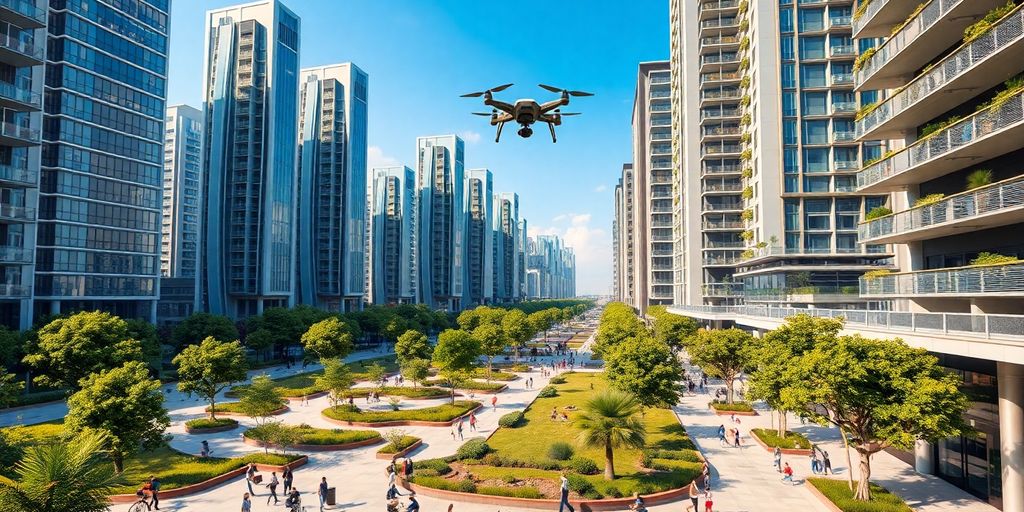
Public-private partnerships (PPPs) are super important for Toronto’s smart city plans. They’re all about bringing together the strengths of both the government and private companies to tackle city problems in a smarter way. These partnerships let the government set the rules and keep things fair, while companies bring in new tech and money. It’s a team effort to solve city problems in a smart way. For example, the Quayside project was a significant example of Toronto’s smart city efforts, focusing on sustainability and innovation.
Benefits and Challenges of Joint Ventures
Having private companies help with public projects can be great. You get new ideas, things get done faster, and you can use the latest tech. But, there are also risks. Sometimes, making money can become more important than what’s best for the public. To avoid this, we need clear agreements and rules from the start. It’s about finding the right balance.
Here are some things to keep in mind:
- Benefits:
- More efficient project delivery.
- Access to specialized expertise.
- Innovation and advanced technology.
- Risks:
- Potential loss of public control.
- Prioritization of profit over public interest.
- Possible lack of transparency.
- Technical glitches: New tech can be buggy. Regular updates and maintenance are needed.
Public-private partnerships are not just about sharing resources. They represent a shared vision for a smarter, more sustainable urban future. By aligning the goals of governments and corporations, these partnerships can create solutions that neither could achieve alone.
Ensuring Equitable Outcomes
It’s super important to make sure that smart city projects benefit everyone, not just a few. This means thinking about things like affordable housing, access to technology, and making sure everyone’s voice is heard. If people feel like their data is not handled properly, it can lead to mistrust and resistance. To address this, cities need to engage in open dialogues with their communities, explaining how data is collected, used, and protected. This can be achieved through public education campaigns and consultations, similar to safety briefings on airplanes. By doing so, cities can foster a sense of transparency and accountability, ensuring residents feel secure in their digital environments.
Future Directions for Toronto’s Smart City Initiatives
Okay, so what’s next for Toronto? It’s a good question. The city’s smart city journey is far from over. It’s more like a continuous process of learning, adapting, and innovating. Let’s look at some potential future directions.
Emerging Technologies and Their Impact
A wave of new technologies is on the horizon, promising to reshape Toronto’s urban landscape. We’re talking about things like advanced AI, improved sensors, and faster networks. These advancements could significantly improve everything from traffic flow to energy consumption. Imagine AI-powered systems that can predict and respond to public needs in real-time, or personalized services that make city living easier. The possibilities are pretty exciting, but it’s important to consider the implications. For example, smart city initiatives are expanding across the U.S.
Integrating Community Needs with Innovation
It’s not just about flashy new tech. It’s about making sure these technologies actually improve the lives of residents. This means actively involving the community in the planning and implementation process. We need to ask:
- What are the real problems people face?
- How can technology help solve them?
- How do we ensure that everyone benefits, not just a select few?
Community engagement is key. Without it, even the most advanced technologies can fall flat or, worse, exacerbate existing inequalities. It’s about building a city with its residents, not for them.
Building a Resilient Urban Future
Toronto needs to think long-term. That means building a smart city that can withstand future challenges, from climate change to economic disruptions. This involves:
- Investing in sustainable infrastructure.
- Developing adaptable systems that can respond to unexpected events.
- Promoting a circular economy that minimizes waste and maximizes resource efficiency.
Here’s a table showing some potential targets for waste diversion:
| Goal | Target |
|---|---|
| Waste Diversion Rate | 85% waste diverted from landfills by 2040 |
It’s a big challenge, but it’s also a huge opportunity to create a city that’s not only smart but also sustainable for generations to come. The future of urban intelligence in Toronto will depend on transparent governance, active public engagement, and a commitment to inclusivity. Only then can the city truly harness the power of technology to enhance the quality of life for all its residents.
The Role of Citizen Participation
Engaging Residents in Smart City Development
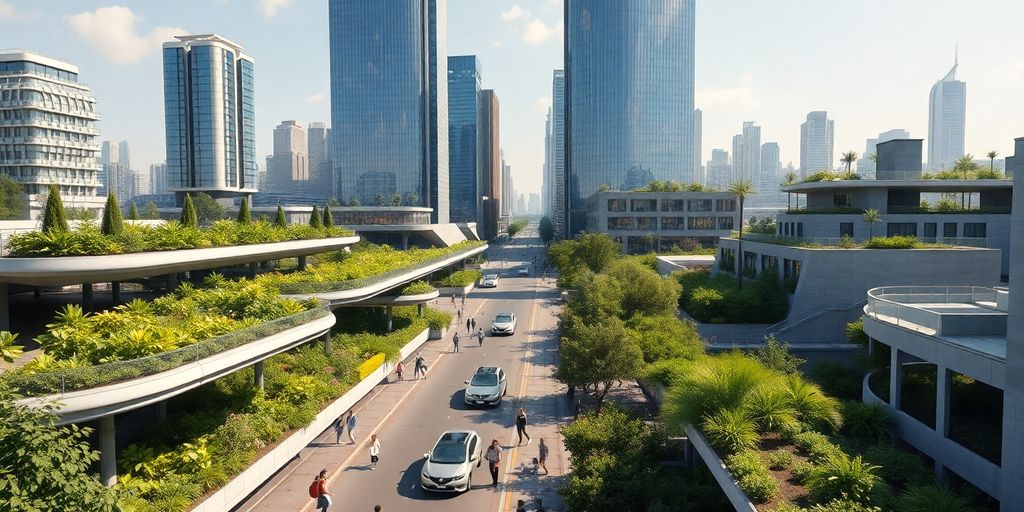
It’s super important to get people involved when building a smart city. You can’t just throw new tech into the mix and expect everyone to be happy. People need to have a say! This means getting feedback, holding meetings, and making sure everyone can share their thoughts. The main goal is to make sure these projects actually help the community. It’s also about building trust. If people feel heard, they’re more likely to support new ideas. For example, Toronto is actively pursuing smart city initiatives to make city living better.
Here are some ways to get people involved:
- Hold town halls to talk about upcoming projects.
- Create online forums where people can share ideas and concerns.
- Team up with local groups to reach different communities.
Making sure everyone has a seat at the table is key. It’s not just about what’s possible with tech, but what’s best for the people who live here.
Building Trust Through Transparency
If people don’t trust how their data is used, they might not support smart city projects. To fix this, cities need to be open about how data is collected, used, and protected. Think of it like safety instructions on an airplane. By being open, cities can build trust and make sure people feel safe in their digital lives. It’s important to consider citizen feedback when planning these projects.
Here are some questions people might have about data:
- Who can see the data?
- How is it kept anonymous?
- What’s in place to stop misuse?
Empowering Communities for Sustainable Growth
For smart city projects to really work, people need to be more than just informed; they need to be part of making decisions. This can happen through public meetings, surveys, and online places where people can share their thoughts. When people feel like their voices matter, they trust the projects more, which makes them more likely to succeed. It’s all about making sure the city’s plans match what people actually want and need. AI-assisted video analytics are also being used to improve infrastructure.
The future of smart cities in Canada depends on everyone working together – government, businesses, and the public. By teaming up, we can create cities that are not only technologically advanced but also inclusive and responsive to the needs of all citizens.
The Future of Smart Cities in Canada
Emerging Trends in Urban Intelligence
Canada is really stepping up its game when it comes to smart cities. We’re seeing more and more cities across the country embrace technology to improve how things work. From smart grids that make our energy use more efficient to traffic lights that actually respond to real-time conditions, it’s all about making urban life smoother. The focus is on using data and connectivity to address everyday challenges.
- More efficient public transportation systems.
- Better waste management through smart sensors.
- Improved public safety with real-time monitoring.
Policy Frameworks for Smart City Growth
To really make smart cities work, we need the right rules and guidelines. It’s not just about throwing technology at problems; it’s about having a plan. This means creating policies that encourage innovation while also protecting people’s privacy and ensuring that everyone benefits. Think about data governance, cybersecurity standards, and making sure that these technologies are accessible to all residents, not just some.
Canada needs clear, consistent policies to guide the development of smart cities. These policies should address issues like data privacy, cybersecurity, and equitable access to technology. Without a solid framework, we risk creating cities that are technologically advanced but socially unequal.
Canada’s Position in Global Smart City Development
Canada is definitely a player on the global stage when it comes to smart cities, but there’s always room to grow. We’ve got some innovative projects happening, but we also need to learn from what other countries are doing. It’s about finding the right balance between adopting proven technologies and developing our own unique solutions. We need to focus on urban intelligence that fits our specific needs and values.
| Country | Smart City Initiatives | Key Focus |
|---|---|---|
| Canada | Smart grids, intelligent transport, data-driven services | Sustainability, citizen engagement |
| Singapore | Integrated data platforms, autonomous vehicles | Efficiency, technological advancement |
| Barcelona | Open data initiatives, smart lighting | Citizen participation, resource management |
Conclusion
So, Toronto’s journey to becoming a smart city is still happening, and it’s pretty complicated. Sure, using technology to make cities better sounds great, but it’s not always easy. What happened with projects like Sidewalk Toronto shows us that we need to find a good balance between new ideas and things like privacy and what the community really wants. As Toronto keeps looking into smart city tech, it has to make sure these new things actually help everyone, not just big companies. How smart Toronto becomes in the future really depends on clear rules, getting people involved, and making sure no one gets left out. Only then can the city truly use technology to make life better for everyone who lives there.
Frequently Asked Questions
What exactly is a smart city?
A smart city uses technology and data to make city life better and easier for everyone. It helps with things like traffic, energy, and public services.
Why is Toronto called a smart city?
Toronto is seen as a smart city because it uses new technologies and data to make city life better and more efficient. It’s always trying out new ideas to improve how the city works.
What was the Quayside project in Toronto?
The Quayside project was a plan to build a new, eco-friendly neighborhood in Toronto. It aimed to use smart technology, green spaces, and affordable homes to show what a future city could look like.
What are the main privacy concerns in smart cities?
People worry that smart cities might collect too much personal information. This data could be misused or not kept safe, which is why privacy is a big concern.
How do public-private partnerships function in smart cities?
In smart cities, public-private partnerships mean the government and businesses work together. They team up to use technology to make the city better, sharing the work and the benefits.
What does the future hold for smart cities in Canada?
The future of smart cities in Canada looks bright. New technologies and ideas are helping cities become more efficient, livable, and ready for what’s next.


