
citiesabc
The Digital Revolution in Aerospace: How AI, Digital Twins and Robotics Are Reshaping Aviation
13 Jan 2026

The aerospace and defense industries stand at the threshold of their most significant transformation since the jet age. According to comprehensive research by Dinis Guarda and Ztudium, the convergence of Digital Twin technology, Artificial Intelligence, Robotics, and Autonomous Systems is fundamentally reshaping how aircraft are designed, manufactured, maintained and operated.
The Digital Transformation Imperative
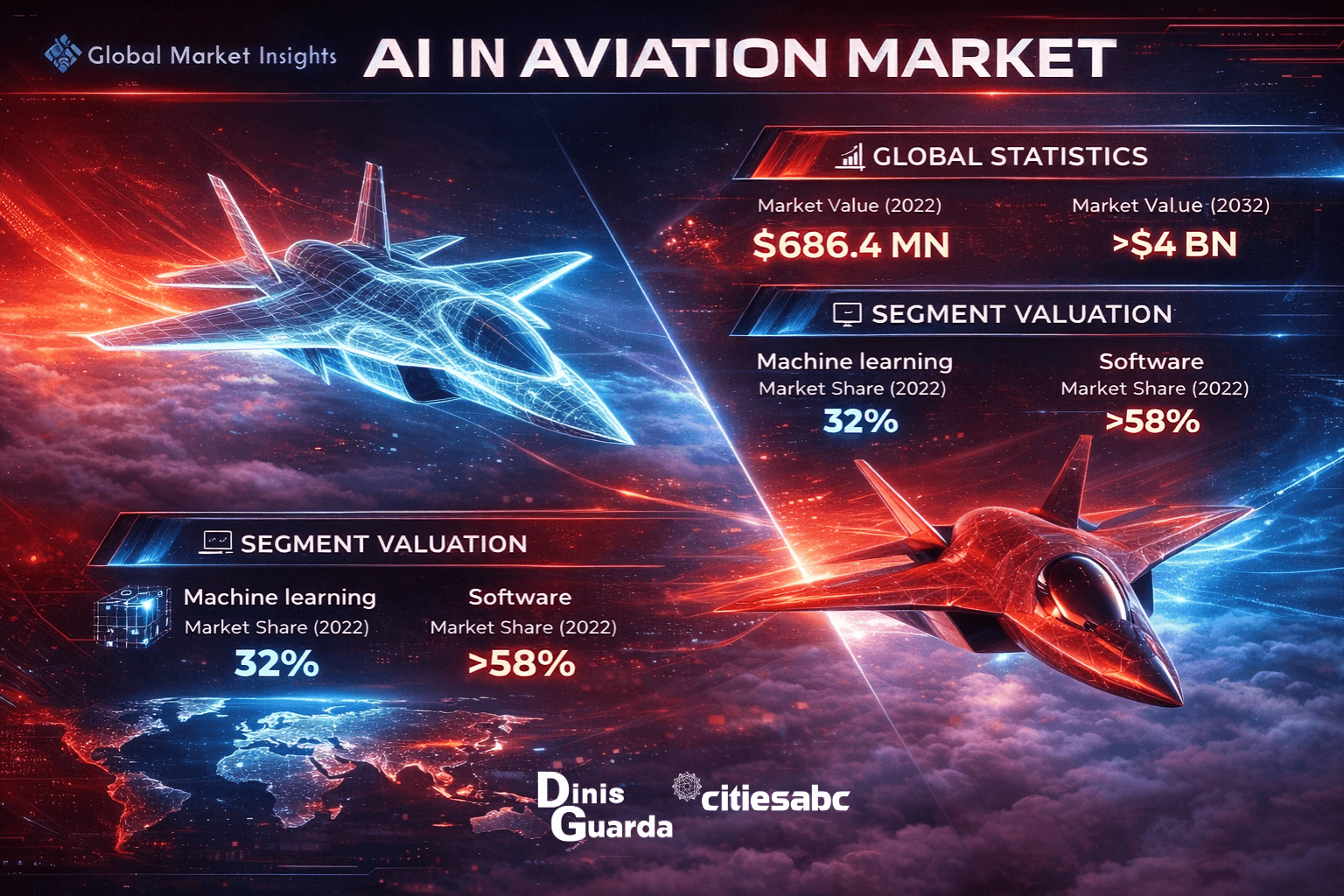
The numbers tell a compelling story. The global Artificial Intelligence and Robotics in Aerospace & Defense market reached $35.1 billion in 2024 and is projected to grow to $51.8 billion by 2030, reflecting a compound annual growth rate of 6.7%. Yet despite these massive investments, only 15% of aerospace and defense companies have successfully developed both strong digital operations strategies and the capability to extract value from them, according to Accenture research.
This gap between investment and execution represents both a challenge and an opportunity for cities and regions seeking to position themselves as aerospace innovation hubs.
Digital Twins: The Virtual Revolution
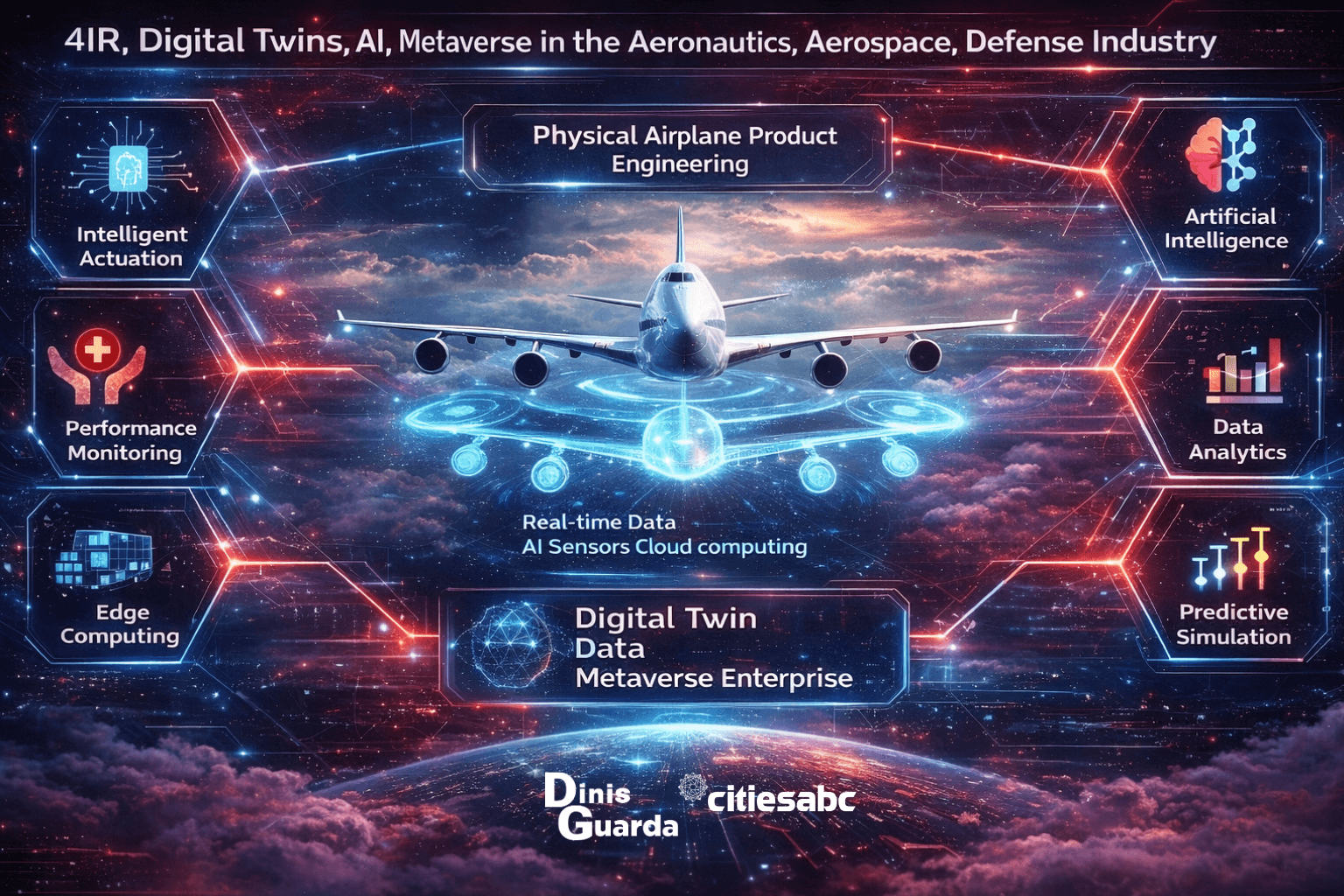
Digital Twin technology, creating comprehensive virtual replicas of physical assets, has emerged as a game-changer for the industry. Airbus's Skywise platform now connects over 12,000 aircraft with more than 50,000 users worldwide accessing real-time data for predictive maintenance and optimization. The impact is tangible: Boeing achieved an 80% reduction in assembly hours for its T-7A aircraft through digital twin implementation.
For cities with aerospace manufacturing facilities, this technology means jobs are evolving. Traditional assembly line workers are becoming data analysts and digital operations specialists. Educational institutions in aerospace hubs must adapt their curricula to prepare the workforce for this digital-first environment.
From Kitty Hawk to Autonomous Flight
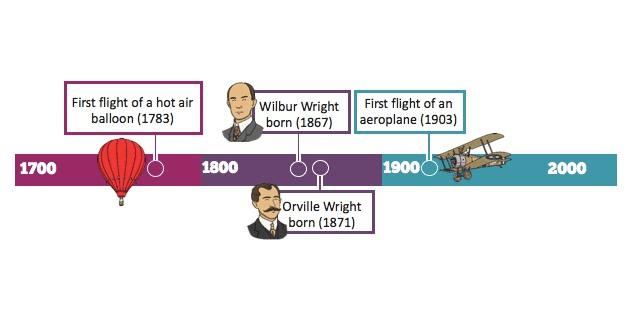
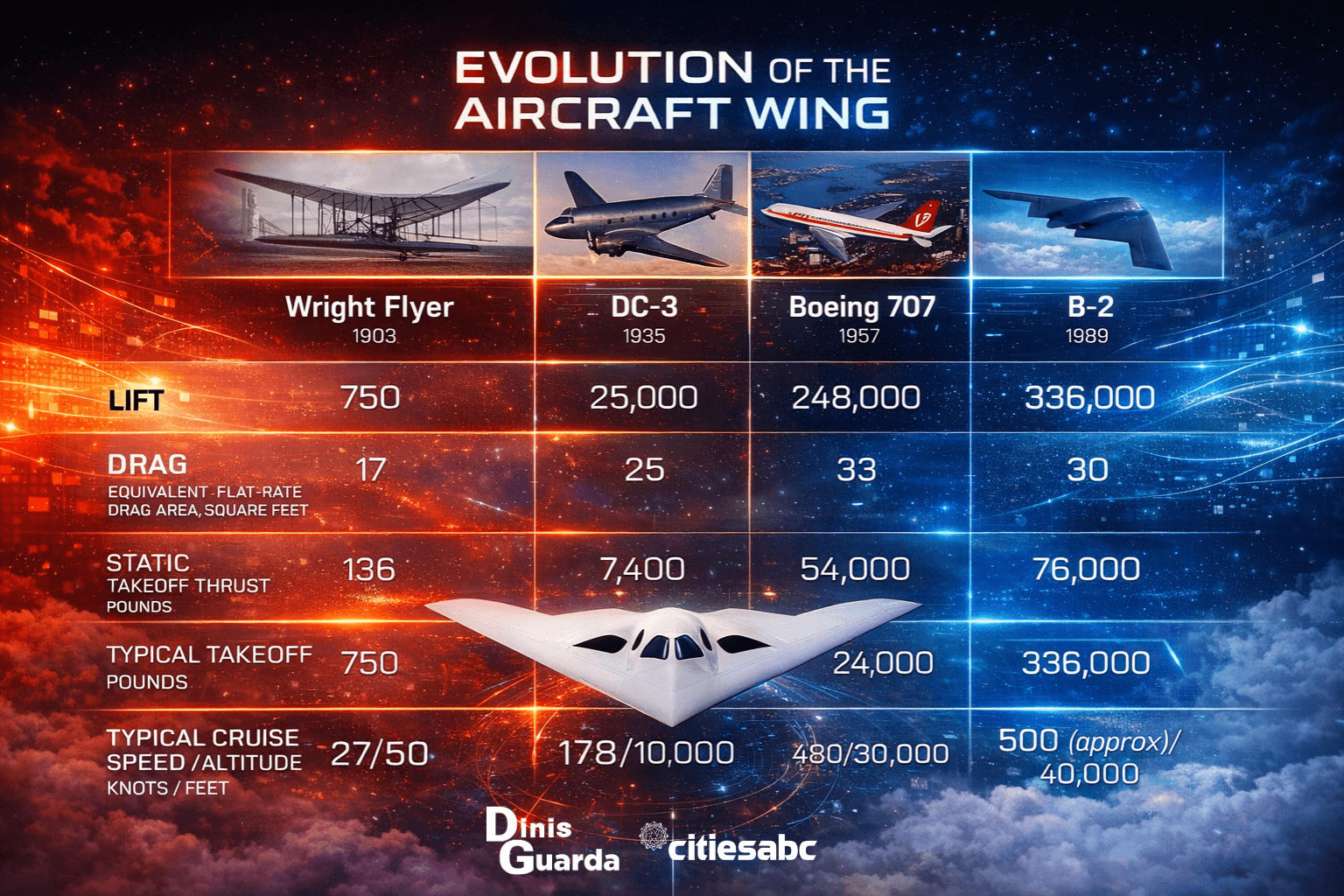
The journey from the Wright Brothers' 120-foot flight in 1903 to today's AI-piloted aircraft illustrates the industry's remarkable evolution. Modern aircraft like the Boeing 787 Dreamliner generate 500GB of data per flight from over 6,000 sensors, more computing power and data generation than existed in the entire Apollo moon program.
Shield AI's X-BAT autonomous fighter jet represents the cutting edge, demonstrating fully operational AI-piloted capabilities with a 2,000-mile range and 50,000-foot ceiling. The precision of AI-powered systems has increased drone strike accuracy from 30-50% to approximately 80%, fundamentally changing defense operations.
The Space Economy Comes to Earth
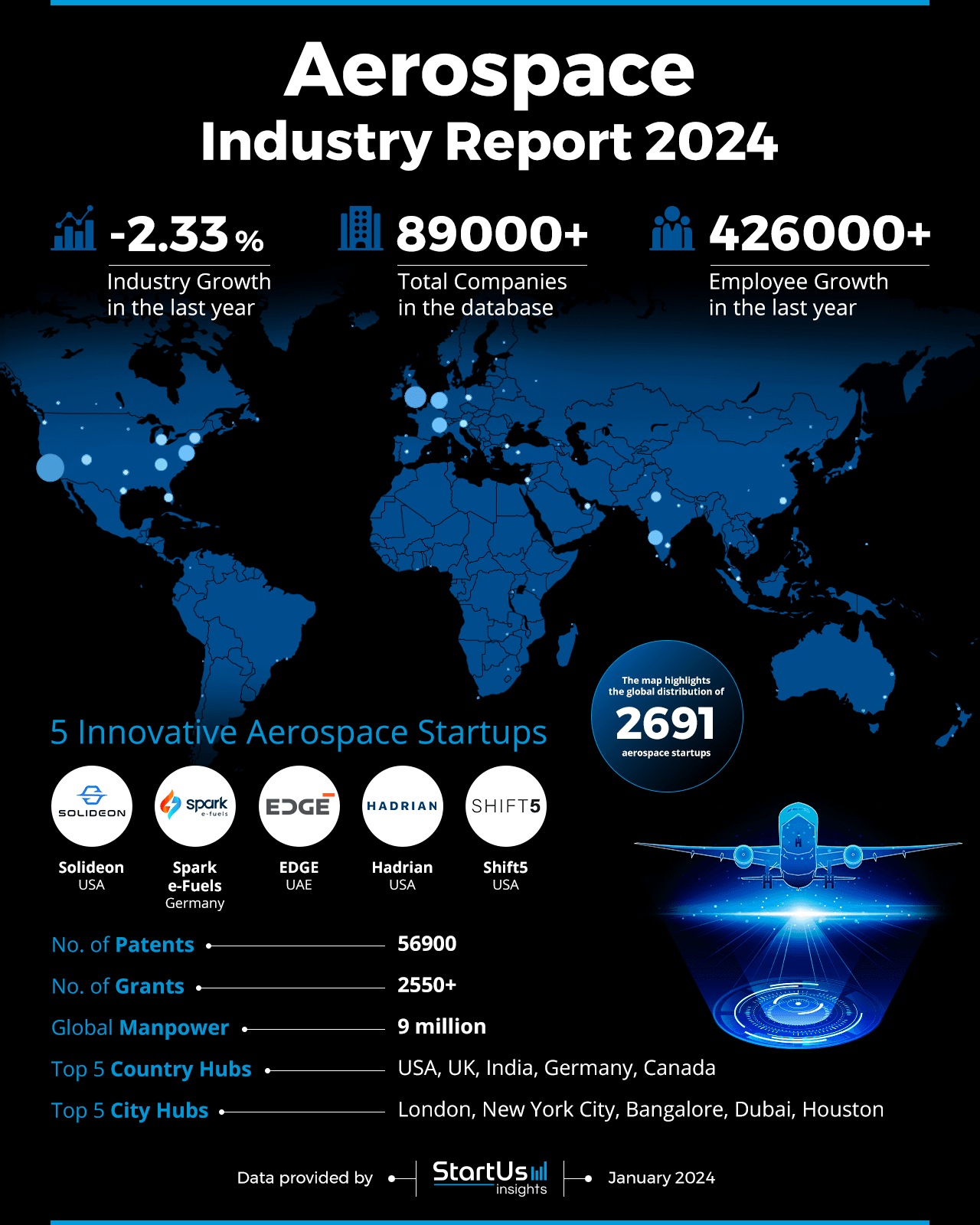
Space operations are no longer the exclusive domain of national governments. SpaceX's Starlink constellation comprises 7,600+ active satellites, 65% of all active satellites globally, serving 9 million subscribers with projected 2025 revenue of $11.8 billion. Blue Origin's New Glenn achieved its maiden flight in January 2025, marking another milestone in commercial space access.
This democratisation of space has profound implications for cities. Satellite-based internet connectivity can bridge digital divides in underserved urban and rural areas. Real-time earth observation data enables smarter urban planning, climate monitoring, and emergency response. Cities investing in space industry partnerships today are positioning themselves for the space economy of tomorrow.
Manufacturing Renaissance Through Robotics
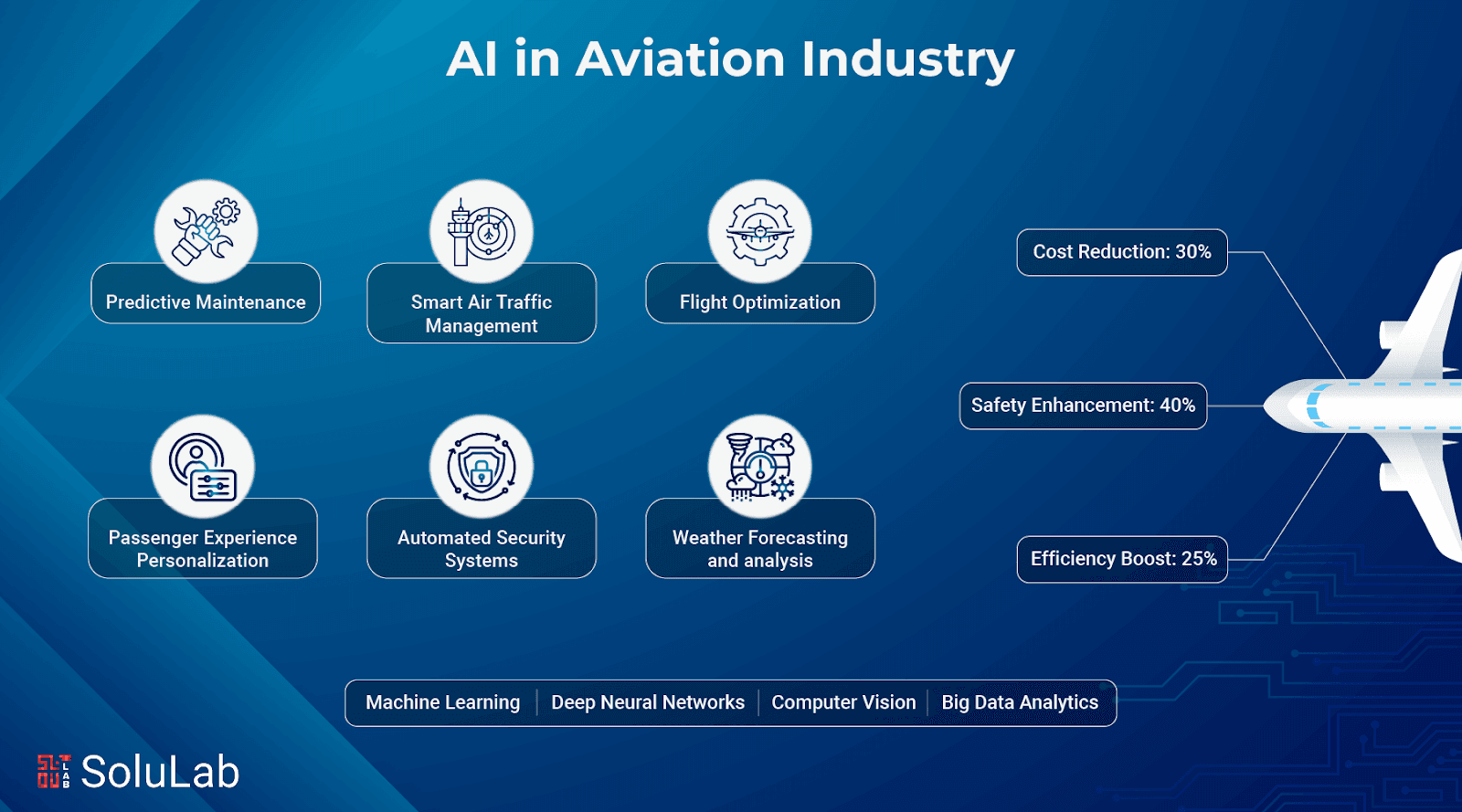
The aerospace robotics market, valued at $1.32 billion in 2024, is growing at 7.1% CAGR through 2029. But this isn't just about replacing human workers, it's about enabling precision and quality impossible through manual methods alone. 3D-printed components are now standard in production aircraft engines, and reusable launch systems like the SpaceX Falcon 9 first stage can be reused over 20 times, dramatically reducing costs.
Cities hosting aerospace manufacturing are seeing a shift in their industrial base. Advanced manufacturing requires different infrastructure, skills, and support systems than traditional factory work. The cities that recognize this and invest accordingly will capture the high-value jobs of the aerospace future.
Strategic Implications for Urban Centers
For cities and regions with aerospace industry presence, or aspirations to develop one, several strategic imperatives emerge:
Workforce Development: Partner with industry to create specialized training programs in AI, robotics, digital twin management, and data analytics specific to aerospace applications.
Infrastructure Investment: Ensure robust digital infrastructure including high-speed internet, data centers, and testing facilities capable of supporting advanced aerospace operations.
Research Collaboration: Foster connections between universities, research institutions, and aerospace companies to drive innovation and retain talent locally.
Regulatory Frameworks: Develop forward-thinking regulations for autonomous systems, drone operations, and space industry activities that protect public safety while enabling innovation.
Cybersecurity Capabilities: As aerospace systems become more connected, cities must develop robust cybersecurity ecosystems to support and protect these critical industries.
The 2050 Horizon
Looking toward 2050, the research projects a fully integrated aerospace ecosystem where digital twins, AI, and autonomous systems are standard rather than exceptional. Success will belong to organizations, and cities, that begin their digital transformation journey now rather than waiting for the future to arrive.
The aerospace industry's evolution from mechanical systems to digital ecosystems mirrors the broader transformation of urban environments into smart cities. The technologies reshaping aerospace, IoT sensors, AI-driven analytics, digital twins, autonomous systems, are the same technologies enabling smarter, more efficient, more livable cities.
For municipal leaders and urban planners, the aerospace industry's digital transformation offers both a template and a partner. Cities that engage strategically with aerospace innovation today are building the economic foundations and technological capabilities that will define urban competitiveness for decades to come.


