


resources
The Essential Tour Guiding Book: Your Comprehensive Companion for Success
19 Dec 2025

So, you're considering a career as a tour guide, are you? It truly is a rewarding profession, offering the distinct pleasure of introducing people to new places and sharing your passion for a specific locale. However, much like any specialized role, it involves far more than simply improvising. This comprehensive tour guiding resource is designed to navigate you through every essential aspect. We’ll delve into the core tenets of what it means to be an effective guide, explore the intricacies of preparing for your tours, discuss strategies for making them genuinely engaging, address methods for handling unforeseen challenges, and outline ways to sustain your enthusiasm in this dynamic field. Consider this your definitive manual for confidently embarking on this journey and excelling in your endeavors.
Key Takeaways
- Develop a robust understanding of the actual responsibilities of a tour guide and the essential skills required.
- Master the art of pre-tour preparation, including audience analysis and the construction of compelling narratives.
- Learn to expertly lead tours across diverse environments and communicate in a manner that captivates your listeners.
- Acquire the ability to effectively manage groups, address inquiries, and expertly resolve unexpected difficulties.
- Explore how to harness modern tools, practice responsible guiding principles, and prioritize your personal well-being.
Foundations Of Tour Guiding
Understanding The Role Of A Tour Guide
So, what exactly does a tour guide truly do? At its very core, a tour guide serves as a storyteller, a local expert, and a logistical facilitator—all seamlessly woven into one crucial role. You are, quite simply, the individual who breathes life into a destination for visitors, forging connections between them and the rich history, vibrant culture, and unique character of a given locale. It extends far beyond merely reciting facts; it's about curating an immersive experience. You empower individuals to look beyond the superficial, grasp the deeper context, and cultivate a genuine connection with the place they're exploring. Your foremost objective is to ensure the tour is enjoyable, deeply informative, and safe for every participant. This encompasses a broad spectrum of proficiencies, ranging from possessing an exhaustive knowledge of your subject matter to adeptly assessing a group's mood and adapting your approach on the fly. In essence, view yourself as the vital bridge linking the curious visitor to their chosen destination.
Key Competencies For Success
To truly excel as a tour guide, one requires a particular fusion of skills. Some of these may come naturally, while others are honed through dedicated learning and consistent practice. Here are some of the principal attributes:
- Communication Skills: This aspect is paramount. You must articulate clearly, actively listen, and be capable of explaining concepts in a way that resonates with everyone. This encompasses not only public speaking but also engaging in meaningful one-on-one conversations.
- Knowledge Base: You absolutely must know your material inside and out! This means understanding the history, cultural nuances, geographical features, and any other pertinent details concerning the locations you're presenting.
- Interpersonal Skills: Being genial, approachable, and patient makes an enormous difference. You'll be interacting with a diverse array of individuals, so a strong rapport with people is an undeniable prerequisite.
- Problem-Solving: Realistically, things don't always unfold as anticipated. You need to possess the ability to think swiftly and manage unexpected scenarios with composure—a truly invaluable trait.
- Adaptability: Every group is distinctive, and each day can introduce fresh challenges. Remaining flexible and capable of modifying your strategy is, without doubt, crucial.
Being a tour guide requires a blend of knowledge, people skills, and quick thinking. It's a dynamic role that changes with every tour and every group you lead.
Types Of Tour Guides
Tour guiding isn't a profession cast from a single mold. There's a wide array of guide types, each specializing in distinct domains. Let’s explore some of the more common categories:
- Site-Specific Guides: These guides are experts at a particular venue, such as a museum, a significant historical landmark, or a national park. Their expertise lies in a profound understanding of that one specific location.
- City/Walking Tour Guides: These professionals lead excursions through urban landscapes, revealing prominent landmarks, intriguing neighborhoods, and often, hidden gems to visitors on foot.
- Motorcoach/Bus Tour Guides: Traveling with groups aboard a bus, these guides provide insightful commentary and adeptly manage the logistical aspects of more extended journeys.
- Specialty Tour Guides: This is a broad classification encompassing guides who concentrate on niche interests, including culinary tours, paranormal investigations, adventure expeditions (such as hiking or biking), or profound cultural immersion experiences.
- Virtual Tour Guides: Thanks to advancements in technology, some guides now conduct tours online, utilizing video and interactive elements to allow participants to explore places remotely.
Preparing For The Tour
Readying yourself for a tour extends beyond merely memorizing facts; it's fundamentally about meticulously setting the stage for an unforgettable experience. This segment focuses entirely on ensuring you are thoroughly prepared for success even before you greet your group.
Essential Pre-Tour Preparations
This phase is where the substantive work takes place, long before the excitement of the tour itself begins. Think of it as gaining your exclusive backstage access to a stellar performance. You must be organized, thoroughly informed, and poised for any eventuality.
- Research your destination thoroughly. Endeavor to go beyond superficial information. Cultivate an understanding of the area's history, its local culture, fascinating anecdotes, and even current events that might influence or enrich your tour.
- Plan your route and timing. Meticulously chart your itinerary, calculate the approximate duration for each stop, and factor in travel time, potential delays, and scheduled breaks. A well-constructed schedule ensures a fluid and seamless progression.
- Check logistics. Confirm the operating hours for all attractions, secure any necessary tickets or reservations well in advance, and verify that any transportation arrangements are confirmed and ready.
- Prepare your materials. This could encompass maps, informational brochures, prepared scripts, or simply concise notes. Having these readily accessible means you won't be scrambling when the moment calls for them—a true mark of professionalism.
Understanding Your Audience
Who, precisely, will you be addressing? A clear understanding of your group significantly influences how you present information. Will they be families with young children, ardent history enthusiasts, or perhaps first-time visitors to the city? Tailoring your approach is absolutely paramount.
- Consider their interests. What motivated their visit? Are they seeking entertaining trivia, profound historical insights, or practical advice?
- Think about their energy levels. A group that has just arrived might be fatigued, while those who have been sightseeing all day could benefit from a more relaxed pace. What's their capacity for information intake?
- Note any special needs. Are there mobility considerations, dietary restrictions, or language barriers that warrant your attention? Being prepared for these demonstrates genuine care and foresight.
The best guides connect with their audience by anticipating their needs and tailoring the experience.
Crafting An Engaging Tour Narrative
Your tour should never simply be a recitation of facts; it is, at its heart, a story. A compelling narrative keeps individuals engrossed and aids them in retaining what they've observed and learned. It involves skillfully weaving together information in a manner that flows cohesively and makes intrinsic sense.
- Develop a theme. What is the overarching story you wish to convey about this particular place? It might revolve around its founding, a celebrated historical event, or even its distinctive everyday rhythm.
- Structure your story. Begin with an introduction that effectively sets the scene, progress through fascinating points and relevant anecdotes, and culminate with a truly memorable conclusion. Consider how you want to start and end a tour effectively.
- Use vivid language. Rather than merely stating facts, endeavor to paint a picture with your words. Describe what life might have been like in the past, or what specifically renders this place unique today—make it come alive!
- Incorporate interactive elements. Pose thought-provoking questions, encourage personal observations, or even include brief, engaging activities to ensure your group remains actively involved. This personalizes the experience and makes it far more indelible.
Executing Memorable Tours
Guiding at Diverse Locations
No two places are truly identical, and this inherent diversity is precisely what lends such fascination to tour guiding. Whether you’re leading a group through a bustling urban market, a serene historical site, or an expansive natural landscape, your approach must invariably adapt. For example, conducting a walking tour in a densely populated old town demands a distinct pace and a heightened sense of awareness compared to a leisurely nature hike. You'll need to keep a watchful eye on everyone, manage the flow of people, and deftly highlight details that might otherwise be overlooked. Conversely, a museum tour might place greater emphasis on specific artifacts and their accompanying narratives, with less concern for physical movement but a greater need to manage ambient noise levels and maintain attention spans.
The fundamental principle here is to remain adaptable and acutely observant, consistently tailoring your delivery to the specific environment.
Here’s a concise overview of how various locations might influence your guiding methodology:
- Urban Environments: Prioritize clear navigation, ensure safety within crowds, and skillfully draw attention to architectural or historically significant points of interest. Keep your commentary succinct between designated stops.
- Natural Settings: Emphasize safety protocols, foster environmental consciousness, and explore the natural history or ecological aspects of the area. Adjust the tour's pace to match the terrain and the group's physical capabilities.
- Museums/Galleries: Focus intently on specific exhibits, artworks, or artifacts. Manage group sizes judiciously to prevent overcrowding and guarantee that everyone can both see and hear effectively.
- Historical/Heritage Sites: Revitalize the past by forging connections between the physical space and pivotal historical events and figures. Remain cognizant of preservation guidelines and the profound significance of the site.
Remember, the location itself is a character in your tour. Your job is to help your guests understand and appreciate its unique qualities.
Delivering Effective Commentary
What you articulate, and—crucially—how you articulate it, profoundly influences the tour experience. It’s not simply about delivering a list of facts; it’s about meticulously weaving a compelling story that resonates deeply with your audience. Consider initiating your commentary with a compelling hook—something intrinsically intriguing that immediately captures their attention. Subsequently, develop your narrative, seamlessly blending fascinating details, engaging anecdotes, and perhaps a touch of appropriate humor if it aligns with the group and the subject matter. Truly effective commentary flows organically, much like a natural conversation, rather than a rigid lecture.
Do consider your pacing. You certainly wouldn't want to rush through pivotal points, nor would you wish to overwhelm your group with an excessive deluge of information all at once. Break down complex concepts into more digestible terms. Employ descriptive language to vividly paint pictures in their minds, particularly when recounting elements they cannot directly observe or experience. For example, instead of merely stating that a building is ancient, vividly describe what life might have been like when it was originally constructed.
Here are some invaluable tips for ensuring your commentary truly shines:
- Know your material inside and out: This foundational knowledge empowers you to speak with unwavering confidence and respond to inquiries without hesitation.
- Practice your delivery: Rehearse your script meticulously, paying close attention to your tone, projection, and speaking speed.
- Use vocal variety: Actively avoid a monotonous delivery. Vary your pitch and adjust your pace to maintain listeners' engagement—it makes a world of difference.
- Incorporate storytelling: People intrinsically remember stories far more readily than mere lists of facts. Discover the human element within the history or subject matter.
- Pause for effect: Allow deliberate moments for your group to fully absorb new information or capture photographs.
Adapting to Different Tour Formats
Tours manifest in a multitude of forms and durations, and a truly proficient guide understands how to adjust their style accordingly. A concise, one-hour city highlights tour will invariably demand a vastly different approach compared to an exhaustive full-day historical deep-dive or a multi-day excursion. For shorter tours, you'll need to maintain a sharp focus, hitting the most pivotal points with utmost efficiency. Longer tours, conversely, afford you greater latitude to explore themes with more depth, cultivate stronger relationships with the group, and permit more spontaneous, enriching moments.
Furthermore, consider the mode of transport. Guiding from a bus entails different logistical considerations than leading a walking tour. On a bus, for instance, you might utilize a microphone and experience less direct, individual interaction with each person. For walking tours, you are much more physically proximate to your group, which fosters a more personal connection but also necessitates a keener awareness of individual needs and the immediate surroundings. Even niche formats like bike tours or boat tours present their own unique challenges and distinct opportunities for compelling commentary and interaction.
- Walking Tours: Concentrate on intricate close-up details, the unique local atmosphere, and direct engagement. Be prepared for varying weather conditions and differing walking paces.
- Bus Tours: Utilize the travel time for your commentary, highlighting sights as you pass them. Ensure all announcements are clear and manage boarding/disembarking procedures with efficiency.
- Specialty Tours (e.g., food, art, history): Tailor your commentary precisely to the specific interest. This often requires more profound subject-matter knowledge and potentially offers exclusive access or unique experiences.
The seamless ability to switch gears between these diverse formats is precisely what distinguishes a competent guide from a truly exceptional one.
Managing The Tour Experience
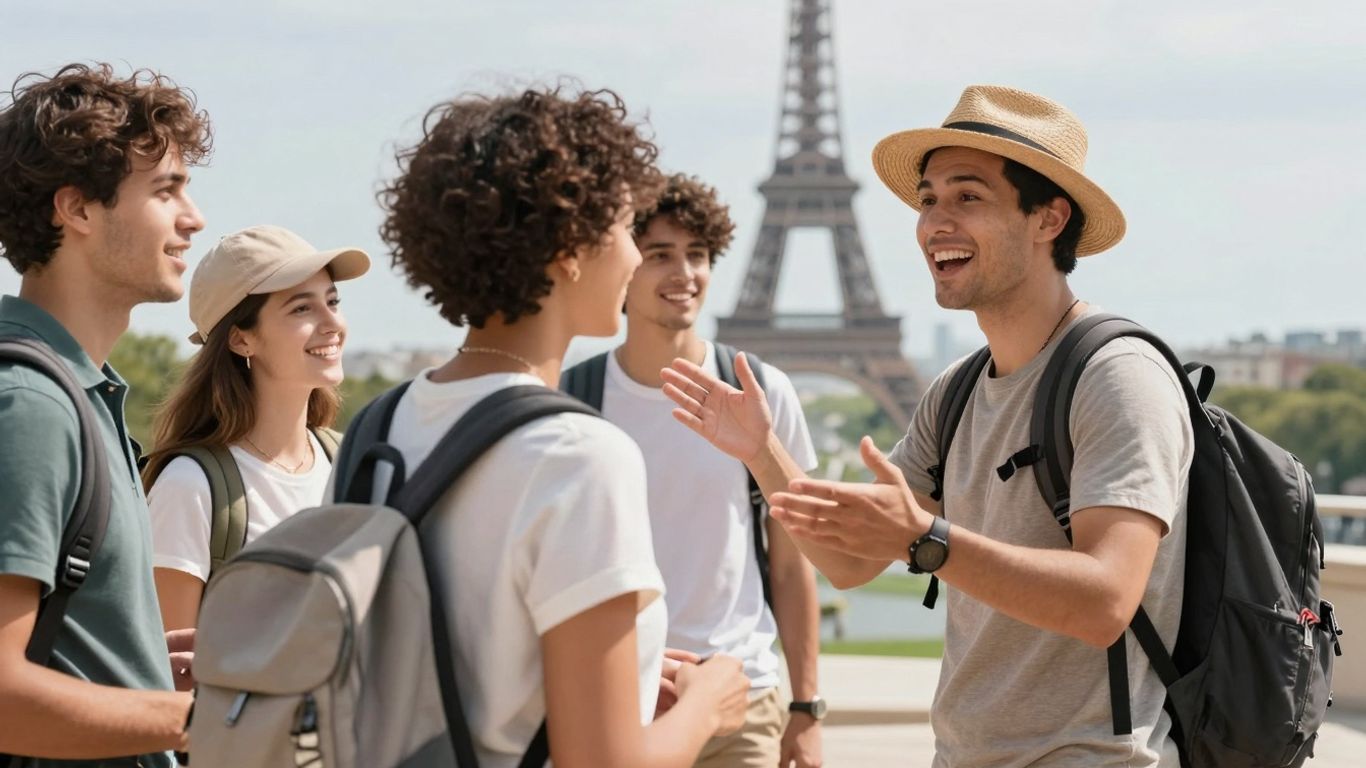
Navigating Group Dynamics
Maintaining a harmonious group and ensuring its smooth progression is, undoubtedly, a significant facet of this profession. It's not merely about knowing facts; it's about intuitively reading the room. Your tours will inevitably host a diverse array of personalities, ranging from quiet observers to those who relish spirited conversation. Your overarching aim is to ensure every individual feels included, valued, and entirely at ease. On occasion, you might encounter a few individuals who tend to dominate discussions, or perhaps a couple who appear somewhat disoriented. Your crucial task is to adeptly balance these varied personalities.
Here are several effective strategies for managing different group scenarios:
- The Talkative Group: Gently, yet firmly, steer conversations back towards the tour's central theme. You might say something like, "That's an insightful point! Let's connect that to what we're observing right here..."
- The Quiet Group: Pose thoughtful, open-ended questions designed to encourage participation. "What are your initial impressions of this magnificent place?" or "Does anyone have a question regarding what we've just discussed?"
- The Mixed Group: Make a conscious effort to engage different individuals at various junctures. Acknowledge contributions from everyone, no matter how minor or significant.
- The Dispersed Group: Keep a constant, vigilant eye on all members. If individuals begin to lag or stray too far ahead, employ clear, reassuring signals to bring the group back together.
Remember, a tour is a shared experience. Your ability to manage the group's energy and interactions directly impacts how memorable the tour will be for everyone involved.
Handling Questions And Concerns
Questions are an excellent indicator that people are genuinely engaged—and that's wonderful! However, at times, inquiries can veer off-topic, become repetitive, or even present a subtle challenge. You must be prepared for anything. Imagine yourself as a walking FAQ, but one imbued with personality and charm. When someone poses a question, take a moment to pause, listen attentively, and then deliver a clear, succinct answer. If you genuinely don't know the answer, it's perfectly acceptable to admit it. You can then graciously offer to investigate the matter further or suggest credible sources where they might find additional information. This approach effectively builds trust. Occasionally, a question might subtly mask an underlying concern, so always listen for that deeper issue.
Here’s a concise guide to expertly fielding questions:
- Listen Actively: Resist the urge to interrupt. Allow the individual to fully articulate their thought.
- Acknowledge: Briefly rephrase or repeat the question to demonstrate your comprehension.
- Answer Clearly: Provide a direct, precise, and accurate response.
- Check Understanding: Politely inquire, "Does that sufficiently answer your question?" or "Is there anything else I can clarify for you?"
Addressing Challenges And Emergencies
In the realm of guiding, circumstances don't always align with the meticulously laid plans. You might encounter unforeseen closures, adverse weather conditions, or even a medical emergency. Being adequately prepared for such moments is absolutely critical. Develop a contingency plan for common problems, such as knowing alternative routes or having a readily accessible list of local emergency contacts. Your calm and collected demeanor in a crisis can profoundly influence the outcome. For minor issues, like a misplaced item or a guest feeling unwell, address them with prompt care and efficiency. In more serious situations, strictly adhere to established protocols and never hesitate to solicit assistance from venue staff or emergency services. Indeed, understanding how to manage visitor flow can often preempt some of these common challenges.
Here are crucial steps for managing emergencies:
- Stay Calm: Your composure sets the essential tone for the entire group.
- Assess the Situation: Swiftly and accurately ascertain what is occurring.
- Communicate Clearly: Keep the group informed about your actions and intentions.
- Take Action: Implement your predetermined plan or seek necessary assistance.
- Follow Up: Afterward, check in with everyone involved to ensure their well-being.
Enhancing Your Tour Guiding Practice
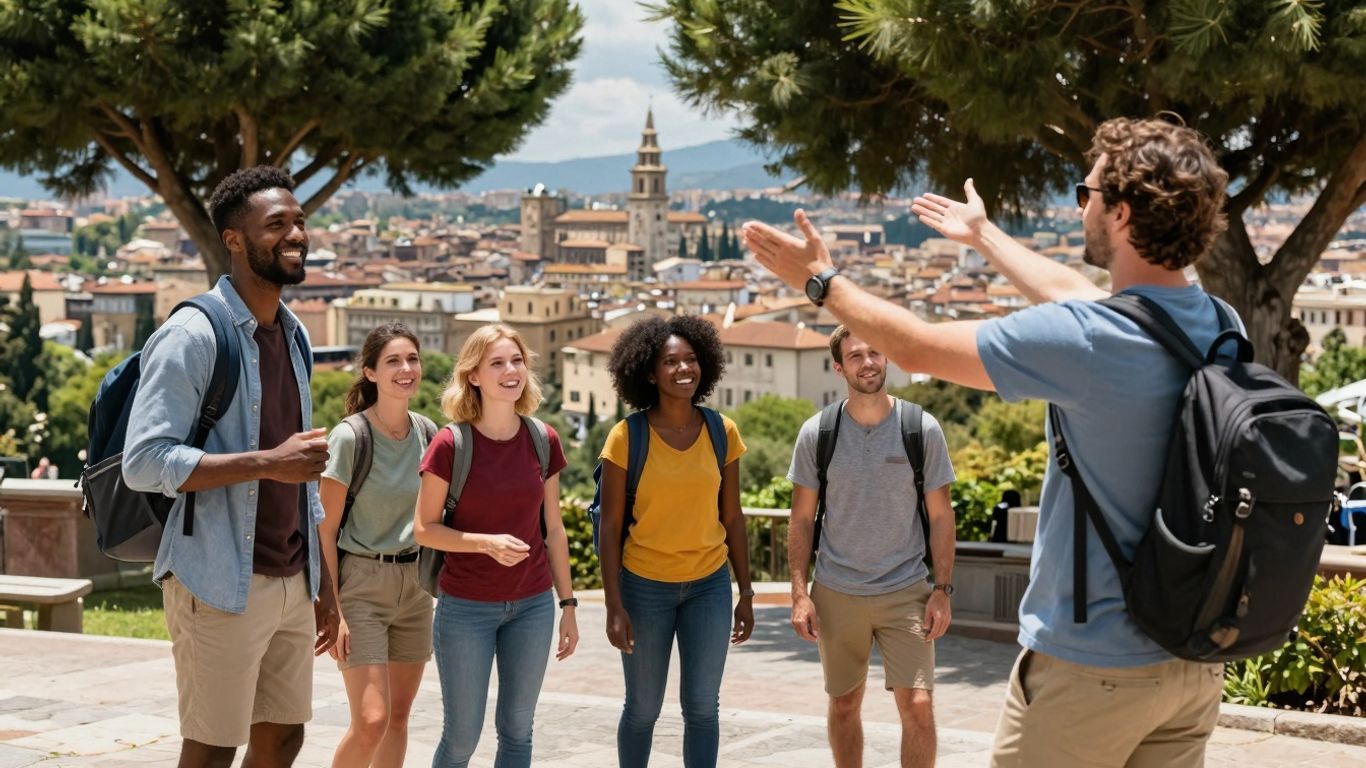
So, you've competently mastered the fundamentals. You grasp the essence of the role, you've meticulously prepared your tours, and you can manage a group with polished professionalism. That's truly commendable! However, the landscape of tour guiding is far from static. To genuinely distinguish yourself and keep your career vibrant, you must embrace continuous learning and adaptation. This segment is dedicated entirely to elevating your existing skills to an advanced level.
Leveraging Technology in Guiding
Technology is fundamentally reshaping how we explore and experience destinations. As a seasoned guide, you can strategically harness these advancements to your distinct advantage. Have you considered integrating navigational apps, especially when conducting walking tours in an unfamiliar city? Some innovative guides even employ augmented reality applications to showcase historical edifices as they once appeared, directly on a visitor's smartphone screen. It's an exceptionally clever and impactful method to truly animate history.
- Digital Maps & GPS: Precisely maintain your group's trajectory and effortlessly share points of interest.
- Audio Guides & Apps: Complement your live commentary or provide invaluable options for diverse language preferences.
- Social Media: Share captivating photos and timely updates both before and after the tour to foster anticipation and solicit valuable feedback.
- Presentation Tools: For indoor excursions, a tablet can effectively display relevant images, documents, or videos to powerfully illustrate your points.
The overarching objective is to employ technology as a robust support for your storytelling, rather than allowing it to supplant your presence. It should feel organic and genuinely enhance the overall experience, never detracting from it. For example, presenting an archival photograph of a street you are currently traversing can be remarkably impactful—a true "then and now" moment.
Embracing Responsible Guiding Practices
Assuming the role of a guide inherently carries a profound responsibility towards the places you showcase and the individuals who visit them. Responsible guiding necessitates a thoughtful consideration of the impact both you and your group exert. It fundamentally involves respecting local cultural norms, safeguarding the environment, and honoring the deep history embedded within a destination.
- Respect Local Customs: Always thoroughly brief your group on appropriate behavior and any specific dress codes, particularly when visiting sacred religious sites or private residences.
- Minimize Environmental Impact: Adhere strictly to marked pathways, diligently avoid disturbing local wildlife, and actively encourage the reduction of waste.
- Support Local Economies: When appropriate, enthusiastically recommend authentic local businesses for dining experiences or unique souvenirs—it makes a difference.
- Preserve Heritage: Educate your guests on the critical importance of protecting historical sites and invaluable artifacts.
Being a good steward of the places you guide means thinking beyond just the next tour. It's about contributing positively to the destination and ensuring it remains special for future visitors and guides alike.
Self-Care for Tour Professionals
This particular profession can be incredibly demanding, both physically and mentally. You're constantly on your feet throughout the day, perpetually engaging with new individuals, and frequently navigating unpredictable circumstances. Prioritizing your self-care isn't a luxury; it's an absolute necessity for fostering a long and thriving career. Good communication skills are key to managing these demands [0c5b].
- Physical Health: Maintain adequate hydration, nourish yourself with wholesome food, and ensure you get sufficient rest. Regular physical activity can significantly combat fatigue and boost endurance.
- Mental Well-being: Establish clear boundaries between your professional and personal life. Discover effective methods for de-stressing, whether through hobbies, mindfulness practices, or spending quality time with cherished loved ones.
- Professional Development: Never cease learning! Attend relevant workshops, delve into industry publications, and actively network with fellow guides. This keeps your intellect sharp and your passion vibrantly alive.
Remember, a guide who is well-rested and possesses a balanced perspective is inherently a superior guide. Your infectious energy and genuine enthusiasm are contagious, and that positive ripple effect truly begins with conscientiously looking after yourself.
Wrapping Up Your Tour Guiding Journey
So, we've navigated through a significant breadth of information in this guide, starting from the foundational aspects of a tour guide's role, progressing through the intricacies of managing challenging situations, and even exploring emerging trends. Consider this resource your steadfast companion—something you can revisit repeatedly as you meticulously build and advance your career. The world of travel is in a constant state of evolution, and to be an exceptional guide means cultivating a commitment to perpetual learning. Continue to refine those vital skills, remain inquisitively curious about the captivating places you explore, and most importantly—truly savor the unparalleled joy of sharing those experiences with others. Your journey as a tour guide is just unfolding, and armed with the insights you've garnered here, you are exceptionally well-prepared to craft memorable adventures for everyone you encounter.
Frequently Asked Questions
What's the main job of a tour guide?
Essentially, a tour guide's primary role is to lead individuals through a particular location, be it a vibrant city, an insightful museum, or a historic landmark. They adeptly narrate captivating stories and share pertinent facts to ensure the visit is both enjoyable and educational. Think of them as your knowledgeable, friendly expert, guiding you through new discoveries!
What skills do I need to be a good tour guide?
You'll need to possess strong communication abilities and a knack for storytelling. It's also highly beneficial to be well-organized, have an extensive knowledge of the area you're showcasing, and be capable of managing diverse groups and unexpected situations. Being patient and approachable certainly goes a long way!
How can I make my tour exciting for visitors?
To truly make a tour exciting, endeavor to share narratives that immediately capture people's interest. Vary your vocal tone, encourage participation by posing engaging questions, and sprinkle in intriguing facts they might not discover in guidebooks. Crucially, understand your audience—what genuinely piques their curiosity?
What if something unexpected happens during a tour?
It's absolutely vital to be prepared for any eventuality! Maintain your composure and think clearly. If a participant sustains an injury, ensure you know basic first aid procedures. Should a tourist express dissatisfaction, listen empathetically and strive to resolve their concern. Having a well-thought-out plan for emergencies is paramount.
How can technology help me as a tour guide?
Technology can indeed be an invaluable asset! You can leverage applications for navigation, display compelling photos or videos on a tablet, or even integrate audio guides. It can significantly streamline information delivery and render your tour more interactive and contemporary.
Why is it important to be a responsible tour guide?
Being a responsible guide means demonstrating respect for the destination you're presenting and for all visitors. This encompasses safeguarding historical sites, practicing environmental stewardship, and ensuring everyone feels genuinely welcome and secure. It's about leaving a positive legacy and preserving the experience for future generations.


