
resources, healthcare sustainability
The Importance of Regular Skin Check-Ups with a Dermatologist
26 Feb 2026

Skin health is often overlooked until a visible problem arises. Most people wait for a mole to change or a rash to spread before booking an appointment.
Routine visits act as a preventative measure for your largest organ. Regular checks provide a baseline for your skin's condition and help identify subtle shifts.
Early Detection Saves Lives
Catching issues early remains the best way to handle serious skin conditions. Professionals can spot tiny details that the naked eye might miss during a glance in the mirror. You should make a habit of booking appointments when you feel perfectly healthy.
One major publication mentioned that health organizations suggest evaluations to find early warning signs of cancer. Finding a spot before it grows makes the treatment process much simpler for everyone involved. A proactive approach helps avoid the stress of dealing with advanced stages of disease.
Annual exams create a history of your skin's health over several years. Data allows your doctor to compare previous photos or notes to your current state. Tracking changes is a key part of maintaining long-term wellness.
Understanding Skin Cancer Risks
Many factors contribute to the risk of developing skin issues over a lifetime. Sun exposure and genetics play significant roles in how your skin reacts to environmental stress. It is helpful to know your own family history when discussing risks with a doctor.
A health magazine reported that the survival rate for melanoma is 99 percent when it is caught before spreading to other areas. Statistic highlights why timing is everything when dealing with suspicious growths. Catching a problem in its earliest phase leads to much better health outcomes.
People with fair skin or a family history of skin cancer should be vigilant. Scheduling a visit once a year helps mitigate inherent risks and provides peace of mind. Consistent monitoring is the best tool you have against unexpected changes.
Common Benign Skin Conditions
Benign growths often appear as we age and can be easily addressed by a specialist. If a growth is bothersome, you might seek skin tag removal to improve comfort or appearance. Small fleshy bumps are common and can be handled during a routine office visit.
Not every growth found during an exam is a cause for medical alarm. Many spots turn out to be harmless accumulations of skin cells or pigment that pose no threat. Learning about common occurrences can reduce the anxiety often associated with new marks.
Your doctor can distinguish between a simple cyst and something that requires a biopsy. Knowing the difference prevents unnecessary worry over purely cosmetic marks. A quick diagnosis allows you to focus on more important aspects of your health.
The Process Of A Professional Skin Exam
A professional exam is thorough and covers areas you cannot easily see yourself. The process includes the scalp, the back of the neck, and even the small spaces between your toes. A dermatologist has the training to find abnormalities in places that most people ignore.
A beauty article explained that doctors use special magnifying tools to look closely at markings flagged during a scan. Devices allow for a deeper look into the structure of a mole or lesion. Advanced technology makes it easier to distinguish between normal spots and potential risks.
The process usually takes less than 20 minutes from start to finish, and it is a small time investment. A brief visit offers clarity regarding your skin and allows you to ask questions about daily care. You will leave the office with a better understanding of your specific needs.
Protective Measures And Sun Safety
Prevention starts with daily habits that shield your skin from harmful radiation. Consistent care reduces the cumulative damage that leads to aging and disease over many years. Developing a routine now will pay off with healthier skin in the future.
- Use these strategies to protect your skin every day:
- Wear broad-spectrum sunscreen with at least SPF 30 daily.
- Seek shade during the peak hours of 10 AM to 4 PM.
Opt for protective clothing like wide-brimmed hats and UV-rated sunglasses.
Sunscreen should be reapplied every 2 hours if you are outdoors or swimming. Even on cloudy days, UV rays can penetrate the atmosphere and affect your skin. Keeping a small bottle of protection in your bag makes it easier to stay safe.
Identifying Changes At Home
Monthly self-exams complement professional visits by keeping you aware of your own body. Look for the ABCDE signs, including asymmetry, border, color, diameter, and evolving. Familiarity with your own skin makes it easier to spot when something looks wrong.
Then, use a hand mirror to check your back and the back of your legs. If you find a spot that is itching, bleeding, or crusting, do not wait for your annual appointment. Reaching out to a clinic as soon as you notice a change is always a smart move.
Taking photos of moles can help you track changes over several months. Clear pictures provide your dermatologist with a visual timeline of any growth you find. Documentation serves as a helpful reference during your next professional check-up.
Long-Term Skin Health Management
Healthy skin involves a holistic approach. Hydration and a balanced diet support the skin's ability to repair itself from daily wear. Taking care of your body from the inside reflects on the outside.
Consider these factors for maintaining your skin's integrity:
- Drink at least 8 glasses of water to keep skin hydrated.
- Avoid smoking, which accelerates skin aging and slows healing times.
- Use gentle cleansers that do not strip away natural oils.
Consistent moisturizing helps maintain the skin barrier against environmental pollutants. A strong barrier prevents irritation and keeps the skin looking supple as you age. Choosing the right products for your skin type is a key part of the process.
Addressing Cosmetic And Medical Concerns
Dermatologists handle the health and appearance of your skin. They can recommend treatments for acne, scarring, or hyperpigmentation that over-the-counter products fail to fix. Getting expert advice makes certain you are using the most effective methods for your skin.
Combining medical check-ups with cosmetic consultations saves time and helps create a unified plan. Your doctor can suggest procedures that align with your skin health goals. An integrated approach leads to more consistent and satisfying results for patients.
Investing in professional advice prevents the misuse of harsh chemicals found in some DIY skincare trends. Experts provide science-based solutions tailored to your specific skin type and history. Trusting a medical professional is always safer than following unverified online advice.
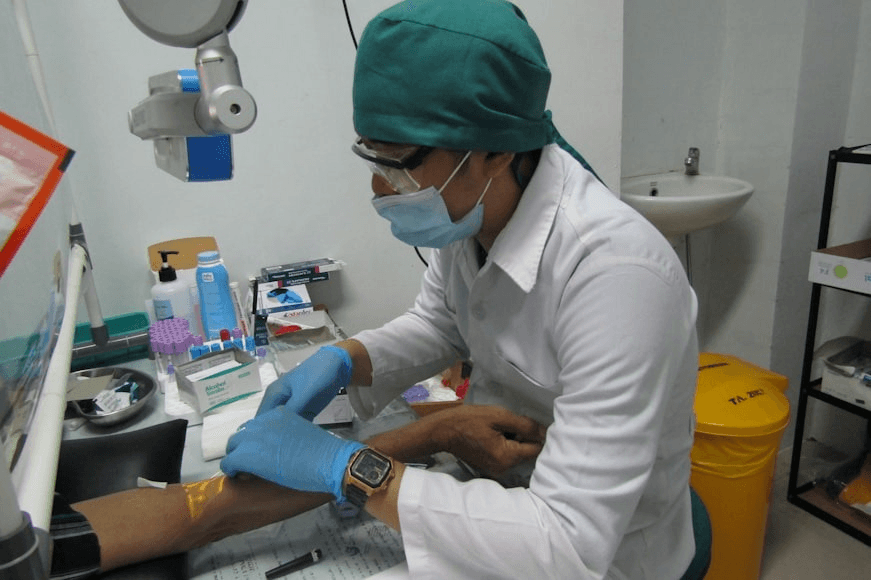
Maintaining regular skin check-ups is a simple way to prioritize your long-term wellness. Small actions today prevent complex medical challenges in the future. You deserve to feel confident and secure in the health of your skin every day.
Take a moment to look at your skin and note any new developments. Booking an appointment provides the clarity needed to move forward with a healthy routine. Your dermatologist is a partner in keeping your skin looking and feeling its best.


