
business resources
The Importance of Reliable Connectivity For Modern Businesses
07 Mar 2025

Today, businesses depend on technology to run smoothly. From talking to customers to managing day-to-day tasks, almost everything a company does requires a good internet connection. Without a stable connection, businesses can lose time, miss opportunities, and upset customers.
This article explains why reliable connectivity is so important for businesses today and how it affects different parts of their work. By the end, it will be clear that having a strong, reliable connection isn’t just helpful—it’s essential.
What Does Reliable Connectivity Mean?
Reliable connectivity means having an internet connection that works well all the time. It’s fast enough to handle many tasks at once, like video calls or sending large files, without slowing down or cutting out. For example, a store that sells things online needs a connection that won’t fail when lots of people are shopping. A team working from home also needs a steady connection to share updates and hold meetings.
When the connection isn’t reliable, even small problems can cause big issues. Think about a sales team losing access to their customer list during an important call or a payment system going offline when someone is trying to buy something. These situations show why businesses need a good internet connection to keep things running smoothly.
Choosing the Right Connectivity Solution
Not all connectivity solutions are the same. Businesses need to think about their needs and pick a provider that offers the right mix of speed, reliability, and security. Things to consider include the size of the business, the number of users, and the types of tasks being done.
For example, a design company working with large files will need more speed than a small consulting firm mostly using email and video calls. A business with remote teams might want a provider that works well with online collaboration tools. Managed networks can be a great option for businesses that want to outsource the technical side of their connectivity. With managed networks, a provider takes care of everything—from setup to maintenance—ensuring the connection stays fast, secure, and reliable.
It’s also a good idea to read reviews and ask for recommendations. A provider known for good customer service and few outages is often a better choice than one offering the cheapest plan.
How Connectivity Affects Productivity
One of the biggest problems with a bad connection is that it slows down work. Employees need the internet to use tools, talk to coworkers, and get their jobs done. If the connection is slow or keeps dropping, work stops.
For example, a marketing team working on a project might need to upload big files to a shared platform. If the connection isn’t stable, this simple task could take much longer than it should. Customer service teams using online systems to help clients can’t afford delays either. Every minute of downtime means lost time and, eventually, lost money.
Enterprise Wi-Fi solutions provide the stable, high-speed connection needed to avoid these issues. A good connection lets employees work quickly and without frustration, whether they’re in the office or at home. It stops them from waiting for pages to load or dealing with dropped calls, so they can focus on their work.
How Connectivity Impacts Customer Satisfaction
Customers today expect fast, smooth interactions with businesses. Whether they’re shopping online, asking for help, or just looking at a website, they won’t wait around for slow loading times or errors. Reliable connectivity is key to meeting these expectations.
Think about an online store. If its website takes too long to load or crashes during checkout, customers will likely leave and shop somewhere else. But if the shopping experience is quick and easy, customers are more likely to come back and recommend the store to others.
Even in fields like healthcare or banking, where transactions are more complicated, secure connectivity is crucial. A bank processing online payments or a clinic managing patient records can’t afford to have systems fail. In these cases, reliable connectivity isn’t just about convenience—it’s about keeping trust and credibility.
Connectivity and Remote Work
The move to remote work has made reliable connectivity even more important. Employees working from home need a good internet connection to stay in touch with their teams and use company tools. A weak connection can lead to missed deadlines, poor communication, and frustration.
For example, a remote worker in a virtual meeting might have trouble participating if their connection is unstable. They could miss important information or not be able to share their ideas, slowing down the whole team. Using online tools or sharing files also becomes harder without a strong connection.
Businesses with remote workers need to make sure their employees have the connectivity they need to do their jobs well. This might mean helping pay for better internet or using tools that work well even with slower connections.
The Financial Cost of Poor Connectivity
While it might not seem like a big deal, poor connectivity can cost businesses a lot of money. Downtime, missed opportunities, and lost productivity all add up over time. For small businesses, even a few hours of downtime can lead to big losses.
Take a restaurant using an online booking system as an example. If the system goes offline, the restaurant might miss out on reservations, leaving tables empty and losing money. A consulting firm that can’t access its project tools might miss deadlines, hurting its reputation and relationships with clients.
Investing in reliable connectivity is a smart way to avoid these costs. While it might cost more upfront, the long-term benefits are worth it.
Security and Connectivity
Reliable connectivity isn’t just about speed and stability—it’s also about security. Businesses that handle sensitive data, like customer information or financial records, need a secure connection to protect against online threats.
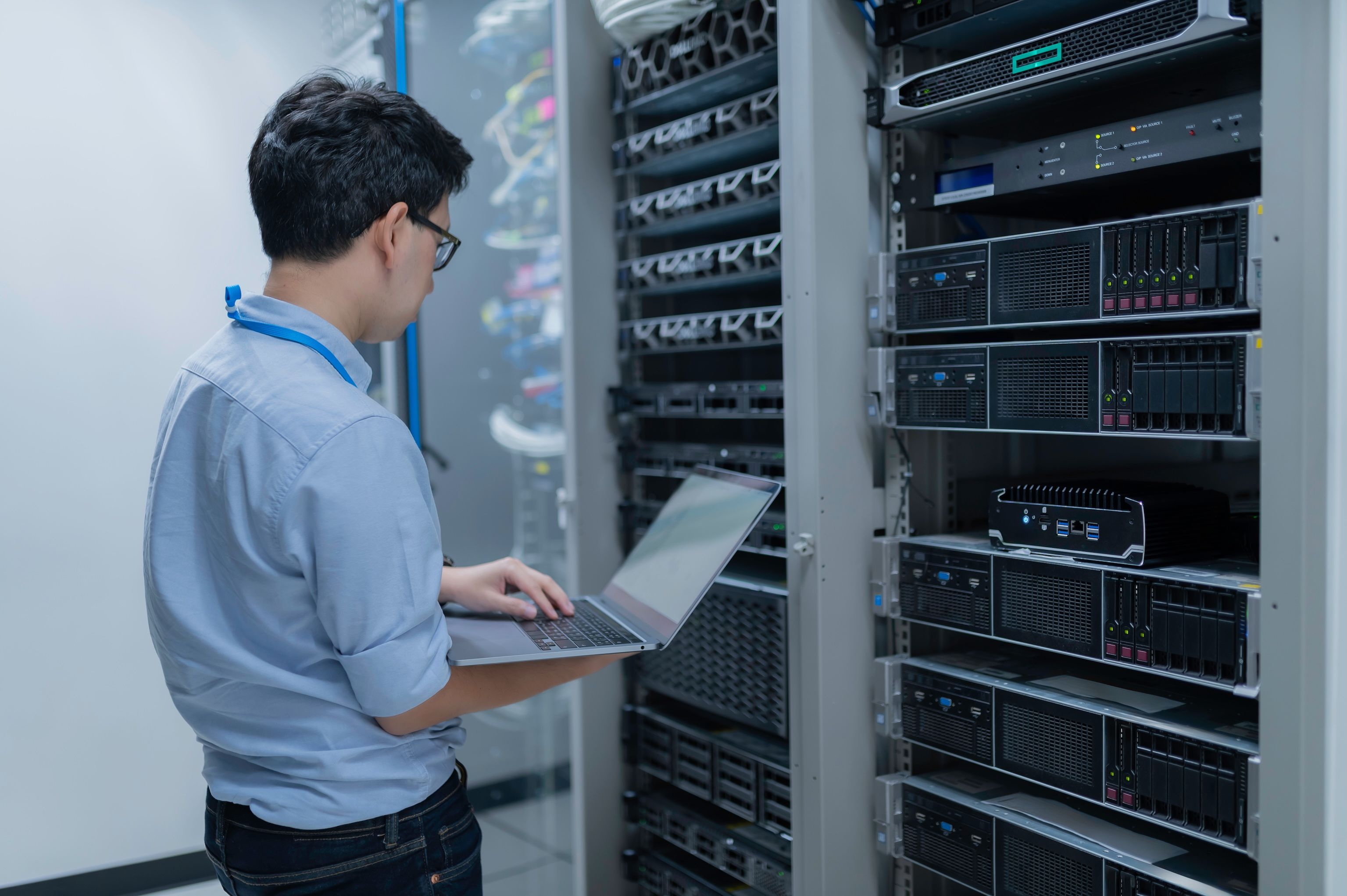
A weak or unstable connection can make a business more open to attacks. For example, a connection that cuts out might leave a system unprotected, giving hackers a chance to break in. A strong, secure connection helps keep data safe and ensures the business follows industry rules.
Businesses should work with trusted providers to make sure their connectivity includes strong security features. This might mean using encryption, firewalls, or regular updates to fix potential weaknesses.
Scalability and Future-Proofing
As businesses grow, their connectivity needs change. A small startup might start with a basic internet plan, but as it grows, it will need more speed and better features. Reliable connectivity solutions should be scalable, meaning they can grow with the business.
For example, a company launching a new product might see a sudden jump in website traffic. Without scalable and seamless connectivity, the site could crash, leading to lost sales and unhappy customers. A scalable solution, on the other hand, can handle more users without problems.
Investing in scalable connectivity also prepares a business for the future. As technology keeps improving, companies need to stay ahead to stay competitive. A strong, flexible connection ensures they’re ready for whatever comes next.
Conclusion
Reliable connectivity is a must for modern businesses. It affects productivity, customer satisfaction, remote work, finances, security, and growth. Without it, businesses risk falling behind and losing their customers’ trust.
Investing in a strong, steady internet connection isn’t optional anymore—it’s necessary to ensure an efficient business operation. By choosing the right solution and focusing on reliability, businesses can make sure they’re ready to handle today’s fast-paced world. In the end, reliable connectivity isn’t just a technical need; it’s a way to stay ahead.


