


business resources
The Invisible Engine: How Digital Services Are Remaking Your Car
26 Dec 2025

Think of the biggest changes in cars. You might picture sleek electric motors. You might imagine self-driving sensors. But there is a quieter revolution happening. It is happening in the software, not just the hardware. Digital services are becoming the car's new core. They are transforming every part of the auto industry. They change how cars are built. They change how they are sold. Most importantly, they change how you use them every single day.
This shift did not start with a flashy new battery. It started with a simple idea—a car being more than just a vehicle. It could be a connected service. The launch of OnStar was a pivotal moment. It proved people would pay for digital safety and convenience. A driver could press a button for roadside help. The car could call an ambulance after a crash. This was not a new type of engine or brake. It was a new relationship with the customer. The car became a platform for ongoing services, not just a one-time sale. This idea now powers the entire industry's future.

From Metal to Software: The New Product
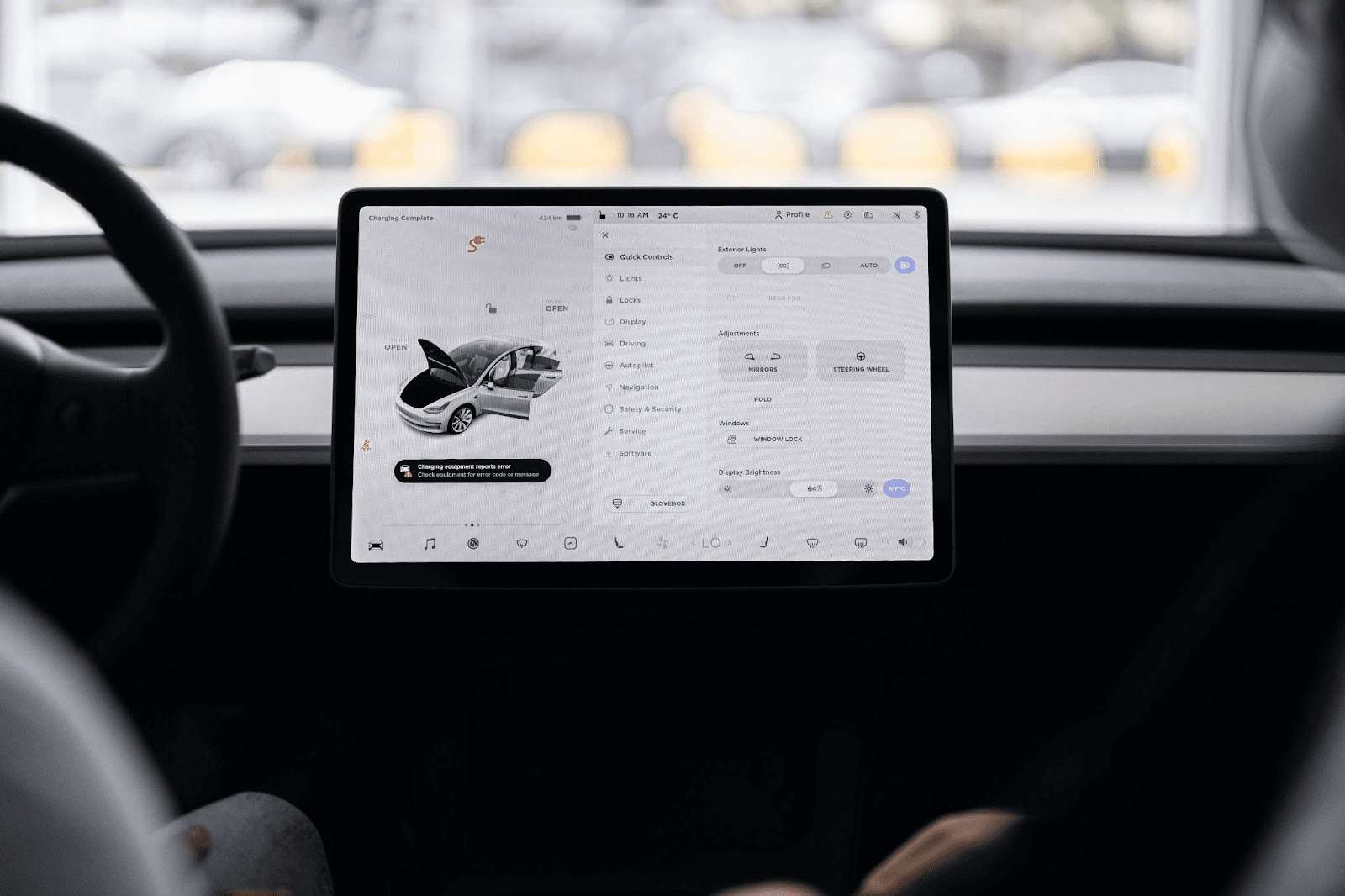
For over a century, a car's value was in its metal and parts. Today, its value is increasingly in its code and connections. The product itself is evolving. Your car's personality can change with a software update. It might get a new performance mode. Its safety features might improve overnight. Automakers now think like tech companies. They hire more software engineers than mechanical ones. They build "digital twins" of vehicles to test updates. The car is no longer a finished product when it leaves the factory. It is just the beginning. Its capabilities can grow throughout its life.
Your Car, Your Subscription
This changes the business model completely. The old model was simple. You bought a car. You paid for gas and repairs. The transaction ended at the dealership. The new model is about recurring revenue. It is the "subscription economy." You might pay a monthly fee for premium navigation. You might subscribe to a heated seats package for the winter months. Your car might offer a performance boost for a weekend trip. This turns car ownership into an ongoing service. It allows companies to build a direct, lasting relationship with you. It also gives you more flexibility to personalize your experience.
The Data Goldmine: Understanding the Driver
Every connected car is a data factory. It generates enormous amounts of information. It knows how you drive. It knows where you go. It knows what you listen to. This data is incredibly valuable. It helps engineers design better safety systems. It helps cities plan smarter roads. For you, it powers personalized services. Your navigation might learn your daily commute. Your car might suggest a coffee stop on your regular route. Used responsibly, this data makes driving smoother and safer. Managing this data with privacy and security is the industry's next big challenge.
Redefining the Dealership Experience
The role of the dealership is changing. It is less about haggling over a price. It is more about explaining software features. The salesperson must now be a tech advisor. They explain how over-the-air updates work. They help set up your connected services app. Service departments are changing too. Many repairs are now software fixes. A technician might update a module instead of replacing a physical part. The "service lane" is becoming a digital health clinic for your car. The entire customer journey is becoming more digital and seamless.
Building a Smarter World: Cars That Talk
The ultimate goal is a connected ecosystem. This is called V2X, or "vehicle-to-everything." Your car will talk to other cars. It will talk to traffic lights. It will talk to your smart home. You might leave work. Your car tells your home to turn on the heat. It finds the fastest route based on live data from other vehicles. This requires massive digital infrastructure. It requires common communication standards. Automakers cannot build this alone. They are partnering with tech firms, cities, and telecom companies. They are building a digital highway in the sky.
The role of digital services is fundamental. They are the invisible engine of change. They are moving the industry from manufacturing machines to managing mobility experiences. This shift brings amazing benefits. It brings unparalleled safety features. It brings incredible convenience. It also brings new questions about privacy and control. One thing is certain. The car of the future will be defined not by its horsepower, but by its processing power. Its value will be measured not just in miles per gallon, but in meaningful digital services per journey. The road ahead is coded in software, and the journey has just begun.


