
resources
Tips for Managing Commercial Roof Construction in Bad Weather
03 Sept 2025

Unexpected weather fluctuations can heavily impact roofing projects. Managing commercial roof construction in adverse weather conditions is a skill for contractors and project managers. Rain, snow, and strong winds can complicate logistics, extend project timelines, and pose safety risks to workers.
Developing effective strategies for these conditions maintains project efficiency and safety. Here, we’ll discuss practical tips for navigating the challenges of adverse weather during commercial roof installs, focusing on preparation, materials, scheduling, communication, and safety.
The Impact of Weather on Roof Construction
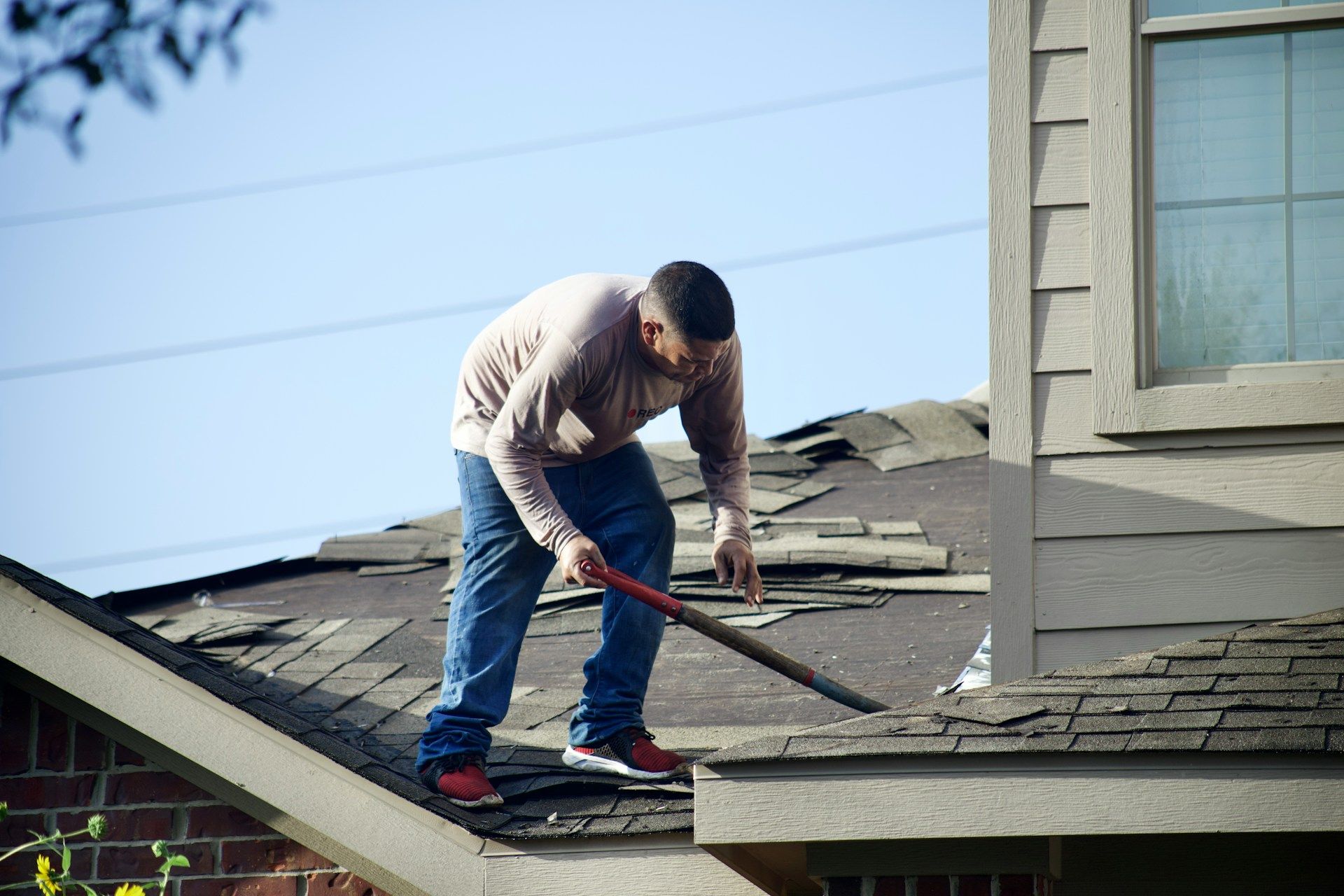
Weather impacts nearly every stage of building and construction projects, and roofing is one of the most vulnerable areas. For commercial roofing, the effects can range from minor delays to structural complications. Heavy rains can cause leaks, water pooling, or even compromise materials stored on-site. High winds create dangerous working conditions and dislodge partially installed components, increasing both safety risks and repair costs.
In extreme heat, materials may soften or warp, whereas cold conditions may prevent proper curing. Project managers who understand these impacts are better equipped to prepare contingency plans. This includes rescheduling tasks, allocating additional budgets for potential delays, and monitoring local weather trends. When they anticipate frost, heatwaves, or heavy rainfall, roofing projects can stay structurally sound.
Choosing the Right Materials for Weather Resistance
Selecting the right materials is the most effective way to improve a roof’s resilience against unpredictable weather conditions. Not all roofing systems are equally capable of withstanding extreme temperatures, moisture, or wind. If you are considering roof installs during winter, choose materials that can withstand low temperatures and potential ice buildup. Ethylene Propylene Diene Monomer (EPDM) is an excellent choice as it remains flexible in colder temperatures.
Roof coatings add resistance to UV rays, moisture, and chemical exposure. Store and handle materials properly before installation to avoid damage from direct sunlight, snow, or humidity. Partnering with reliable suppliers provides insights into the most durable options available so that roofing systems remain strong despite seasonal challenges.
Developing a Comprehensive Weather-Related Contingency Plan
A comprehensive weather-related contingency plan equips construction teams with the ability to respond quickly and safely when conditions become hazardous. This type of plan should outline specific safety thresholds that dictate when outdoor work must pause. Determining limits for crane use or roof access prevents accidents during high winds. With open communication, all workers receive quick updates and know whether tasks will continue or shift indoors.
Productive alternatives can include pre-assembling roofing components in controlled environments, preparing materials for the next clear-weather window, or handling administrative project tasks. Regular reviews and updates to the plan can account for shifting climate patterns and past project experiences. Training crews on these procedures helps them react with confidence and efficiency when sudden weather changes occur. A strong contingency plan minimizes costly downtime, protects workers, and maintains project momentum.
Proper Scheduling to Avoid Weather Delays
Scheduling is the most powerful tool for avoiding weather-related setbacks in roof construction. Incorporating weather considerations into project timelines guarantees flexibility when conditions are unfavorable. Studying seasonal trends in advance allows managers to choose optimal times for roofing projects, such as scheduling during drier months to reduce rainfall disruptions. Flexibility must be built into the timeline itself. Adding buffer periods gives teams the ability to absorb unexpected delays without jeopardizing completion.
Maintain open communication with contractors so they understand which tasks need priority before predicted storms or freezing conditions. Using modern forecasting tools and monitoring systems provides near-real-time updates, allowing managers to adjust schedules quickly when risks arise. For larger projects, contingency days can be pre-allocated to absorb downtime. Project teams reduce stress, minimize unexpected costs, and maintain consistent progress even in climates with unpredictable weather patterns.
Communication Strategies for Bad Weather Management
Effective communication is the backbone of safe and efficient project management during unpredictable or adverse weather. A well-structured communication strategy stays informed when conditions change rapidly. Daily safety briefings can highlight potential weather risks, giving workers clear instructions on how to proceed or pause tasks. Group text alerts, weather monitoring apps, or site radios provide quick updates that can prevent accidents.
Every worker should know the emergency protocols for hazards like lightning, snow, or high winds. Appointing a dedicated safety officer guarantees a consistent chain of command and eliminates confusion. Externally, transparent communication with clients builds trust, showing that delays are handled responsibly and professionally. By maintaining steady, reliable communication channels, roofing projects can adapt quickly to weather disruptions and keep crews safe and stakeholders fully informed.
Implementing Safety Measures During Adverse Conditions
When working on commercial roofing projects, safety must remain the highest priority. Unpredictable conditions increase the risk of accidents. Workers should be equipped with proper protective gear, including harnesses, helmets, and non-slip footwear, to minimize risks while working at heights. Scaffolding and ladders must be inspected frequently to guarantee stability after storms or freezing temperatures.
Regular safety drills prepare crews to respond swiftly to emergencies. Training programs should cover weather-specific hazards so that every worker understands how to react to lightning storms, heat-related illnesses, or sudden wind gusts. Site supervisors should continuously monitor conditions and make quick decisions to halt or resume work. Encouraging workers to voice safety concerns also encourages a culture of accountability. At every stage, roofing projects can continue with reduced risk and greater confidence.
Post-Weather Assessment and Maintenance
Once severe weather has passed, the first step should always be a thorough inspection of the roofing system. Even minor storms can create small leaks, loose flashing, or moisture trapped beneath membranes. Addressing these problems early prevents long-term damage that could otherwise require extensive repairs. Inspections should focus on signs of water pooling, punctured materials, or compromised seams.
If damage is found, scheduling prompt repairs will avoid escalation. Incorporating routine seasonal maintenance guarantees the roof remains resilient year-round. Preventive actions, such as clearing debris, resealing vulnerable areas, and reinforcing drainage systems, extend the roof’s lifespan. Documenting inspection findings provides valuable records for warranty claims or insurance purposes. Property owners safeguard their investments, reduce long-term costs, and maintain a safe, reliable roofing system that can withstand ongoing environmental challenges.
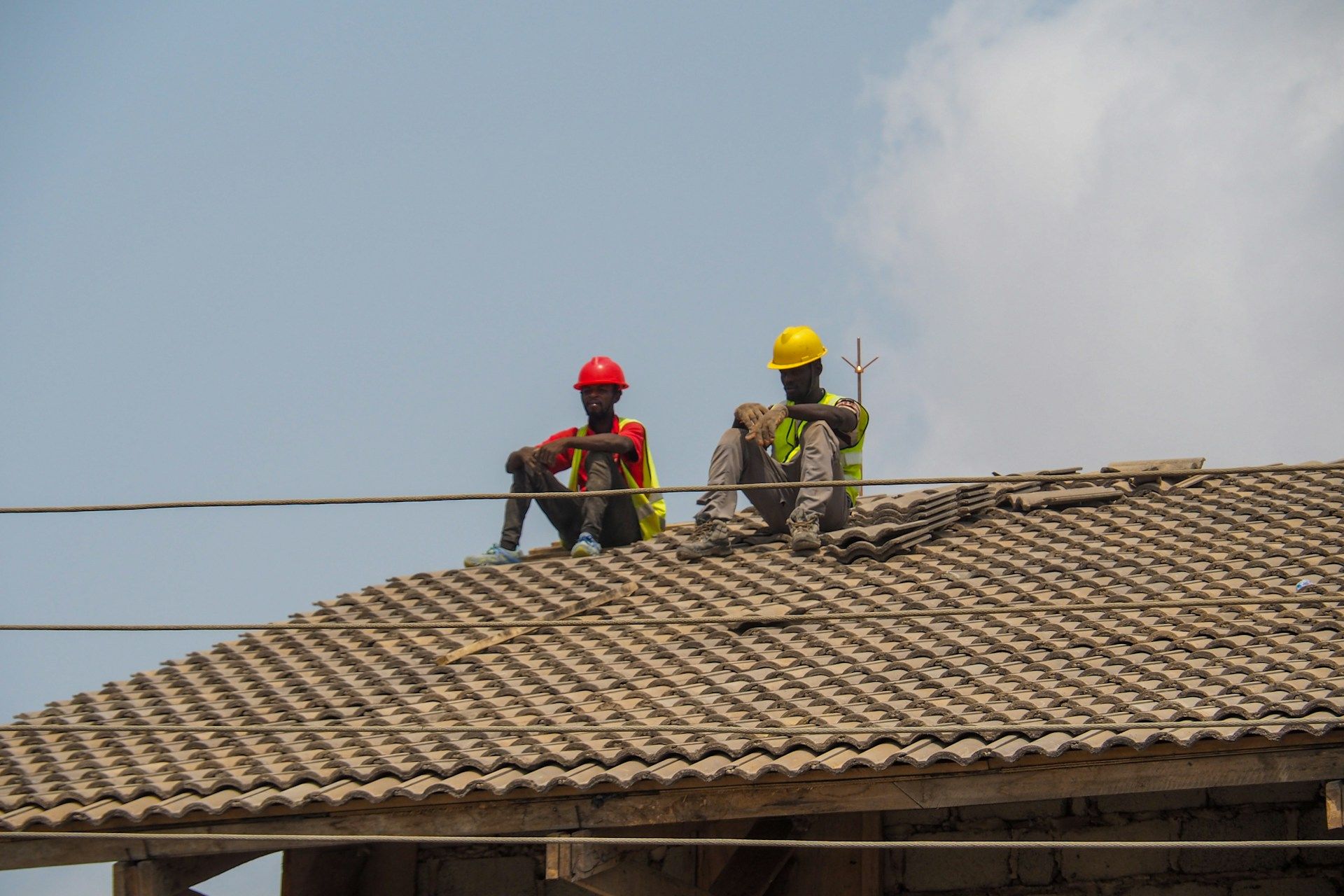
The ability to manage commercial roof construction effectively during bad weather involves strategic planning, material selection, and ongoing communication. Implementing practical safety measures alongside contingency planning guarantees a smoother workflow even in challenging conditions. Proactive measures will lower risks and lead to successful project completions.


