
healthcare sustainability, resources
What Makes Rehab Programs Effective For Long-Term Recovery Success
03 Sept 2025

Rehab programs play a pivotal role in helping individuals overcome addiction and achieve long-lasting recovery. The effectiveness of these programs often hinges on various factors, including the approach taken, the staff's ability to connect with clients, and the environment of the treatment facility. Understanding what makes rehab programs successful can empower individuals seeking recovery options to make informed choices. A robust rehabilitation approach focuses on tackling substance abuse and addresses underlying psychological issues, helping clients to build a sustainable path towards recovery.

The Importance of Personalization in Treatment Plans
Every individual's journey to recovery is uniquely different, shaped by personal experiences, backgrounds, and the particular nature of their addiction. Effective rehab programs recognize this fact and offer personalized treatment plans tailored to the individual needs of each client. Personalization may involve assessing the client's medical history, psychological state, and support systems to create a comprehensive treatment strategy. Customized approaches can significantly enhance engagement and adherence to the program since individuals are more likely to connect with a plan that resonates with their specific situations.
Supporting clients involves medical treatment and emotional and psychological support. Such kindness can be critical in retaining clients through difficult times and cravings. Programs that provide ongoing communication, follow-ups, and flexibility in treatment plans can help clients navigate the hurdles of recovery with greater ease. Many treatment centers understand these dynamics and emphasize creating supportive, individualized approaches. This tailored methodology has been shown to increase retention rates, with studies indicating that personalized treatment can result in a 20% higher success rate for long-term sobriety.
Holistic Approaches to Recovery
Integrating holistic therapies into rehab programs significantly contributes to their effectiveness. Holistic treatment addresses the physical aspects of addiction and nurtures the emotional and spiritual dimensions of recovery. Methods like yoga, meditation, art therapy, and equine therapy help clients nurture their well-being in a manner that traditional therapies might overlook. Such therapies foster self-discovery and emotional expression, allowing individuals to confront their past traumas or stressors in a safe environment.
Research indicates that holistic methods can reduce stress, anxiety, and depressive symptoms associated with addiction, which are crucial components of sustained recovery. Facilities like Laguna Hills Rehab incorporate these types of therapies into their programs, offering a diverse arsenal of tools for clients to utilize. By attracting a wide array of individuals with varying needs, holistic practices enhance the likelihood of connecting with clients on multiple levels, reinforcing their commitment to recovery.
Community Support and Family Involvement
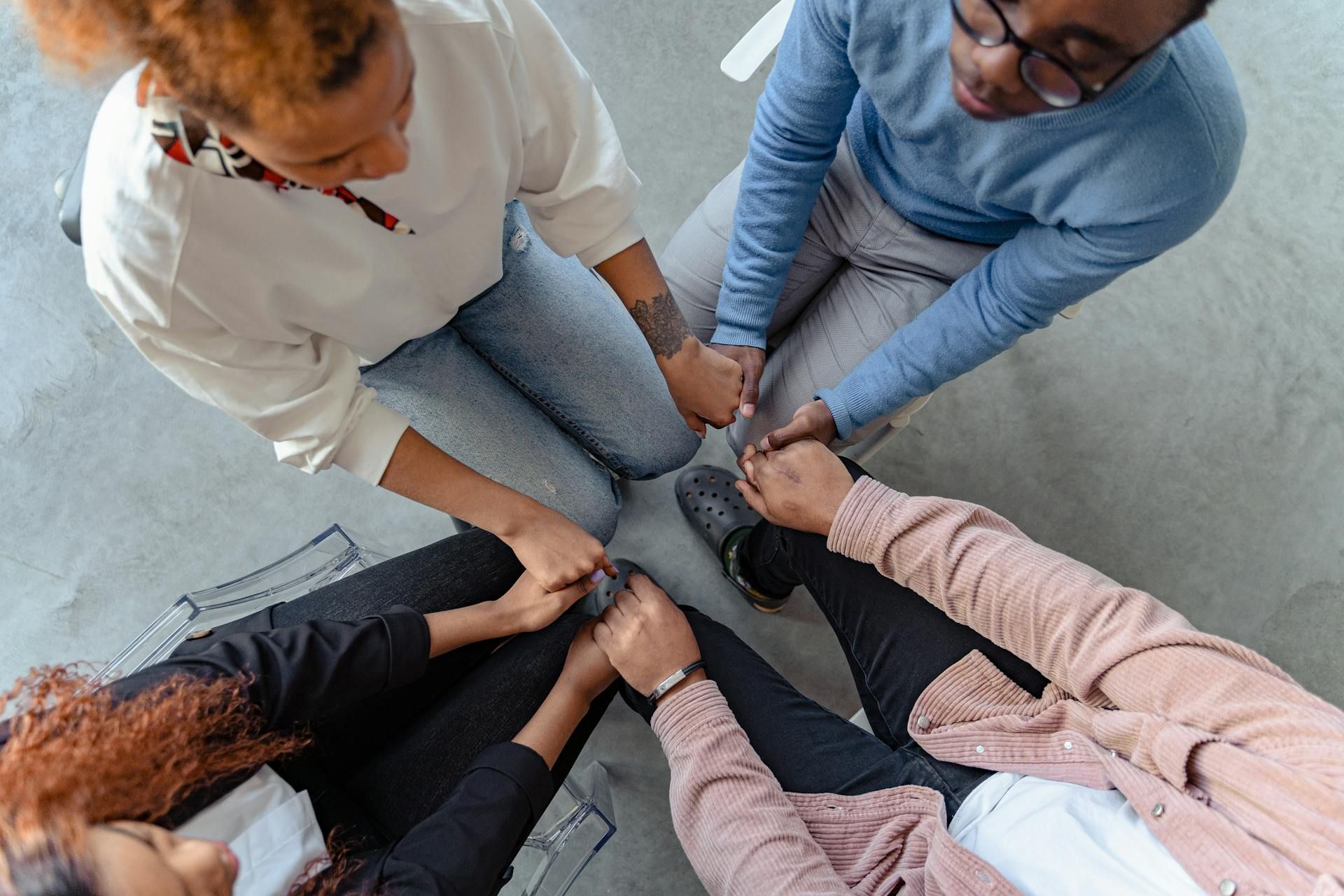
Community support significantly influences the success of rehab programs. Establishing a strong support network within the treatment setting can create a sense of belonging, which plays a vital role during the recovery process. Group therapies provide the opportunity for clients to share experiences, learning from one another, and reinforce the knowledge that they are not alone in their struggles. Such communal settings help individuals feel understood, which can diminish feelings of isolation that often accompany addiction.
Engaging family members in the recovery process proves beneficial. Family involvement can repair damaged relationships and develop a healthier home environment for the recovering individual. Education programs for families about addiction create understanding and support that is critical for sustained recovery. By incorporating family therapy sessions or weekends devoted to family involvement, rehab programs allow clients to foster healthy communication patterns and create supportive home dynamics.
Aftercare Programs and Continued Support
A successful transition from rehab to everyday life can be challenging, which is why aftercare programs are important for long-term recovery. These programs ensure that clients have continued support as they navigate the complexities of sobriety. Effective aftercare may include ongoing therapy sessions, sober living arrangements, or support groups, providing a safety net during the challenging post-rehab phase.
Successful aftercare programs encourage accountability and regular check-ins. Regular follow-up consultations keep clients in touch with their treatment team, fostering a sense of responsibility towards their recovery journey. The importance of remaining connected to a supportive community should not be underestimated, as studies reveal that continued support decreases the likelihood of relapse.
Equipping Clients with Coping Strategies
An effective rehab program focuses on equipping clients with the necessary coping strategies to handle triggering situations post-treatment. Therapies that teach clients how to deal with cravings, stress, and adverse emotions are important. Cognitive Behavioral Therapy (CBT) and Dialectical Behavior Therapy (DBT) help clients develop constructive responses to negative thoughts and situations.
Having a strong arsenal of coping mechanisms empowers clients to make healthier choices when faced with temptations. As a result, individuals will feel competent in addressing challenges without resorting to substance use. Skills learned during rehab sessions become tools for lasting recovery, ensuring that clients can effectively manage their emotions and social situations. Coping strategies provide a framework for maintaining stability during unexpected life events, which are often high-risk moments for relapse. Consistent practice of these techniques fosters resilience, enabling clients to build confidence in their ability to sustain long-term recovery.
Building Life Skills and Promoting Healthy Routines
Long-term recovery requires more than abstaining from substance use; it involves rebuilding a balanced and purposeful lifestyle. Effective rehab programs often incorporate life-skills training and guidance on developing healthy routines. This may include financial management, career counseling, nutrition education, exercise programs, and time management strategies.
By equipping clients with the tools to thrive in everyday life, these programs empower individuals to regain independence and confidence. Establishing structure and healthy habits reduces the risk of relapse, as clients learn to fill their time with positive, goal-oriented activities. The promotion of self-sufficiency and stability ensures that recovery extends beyond treatment and becomes part of a sustainable lifestyle. These foundational skills foster resilience and adaptability, helping individuals navigate future challenges with greater ease. Ultimately, building a strong, healthy routine lays the groundwork for lasting personal growth and well-being.
Understanding what makes rehab programs effective for long-term recovery is important for those in crisis and their families. From personalized treatment plans and holistic methods to community support and aftercare programs, each component contributes to a comprehensive recovery experience. The focus on equipping clients with coping strategies and maintaining strong support systems fosters resilience against relapse. By choosing a quality rehab program, individuals can lay a strong foundation for lifelong recovery success.


