
resources
Unveiling the Stories Behind Famous Cities Names Around the Globe
22 Feb 2026

Ever paused to wonder why your local street, or perhaps a famous city's main thoroughfare, bears its particular name? More often than not, it's hardly arbitrary. Indeed, the names of many renowned cities, and the very streets that crisscross them, are imbued with fascinating narratives. These appellations frequently offer profound insights into history, commemorate influential individuals, or even simply allude to past activities that once transpired there. It's truly like uncovering a mini history lesson right on your doorstep. Let's delve into the origins of these names and explore the rich meanings they might convey.
Key Takeaways
- Many famous cities and their street names pay homage to historical figures, ranging from celebrated writers and pioneering scientists to military heroes and pivotal politicians.
- Street names often encapsulate core national values, such as liberty and the concept of the republic, particularly evident in nations like France.
- Local history and former trades frequently inform street naming, with some appellations signifying old industries or important local happenings.
- Urban perception can be profoundly shaped by street names, which possess the power to draw people to specific neighborhoods or serve as memorable landmarks.
- International relationships and significant global events are sometimes memorialized through carefully chosen city and street naming conventions.
Exploring Famous City Names Through the Lens of French History
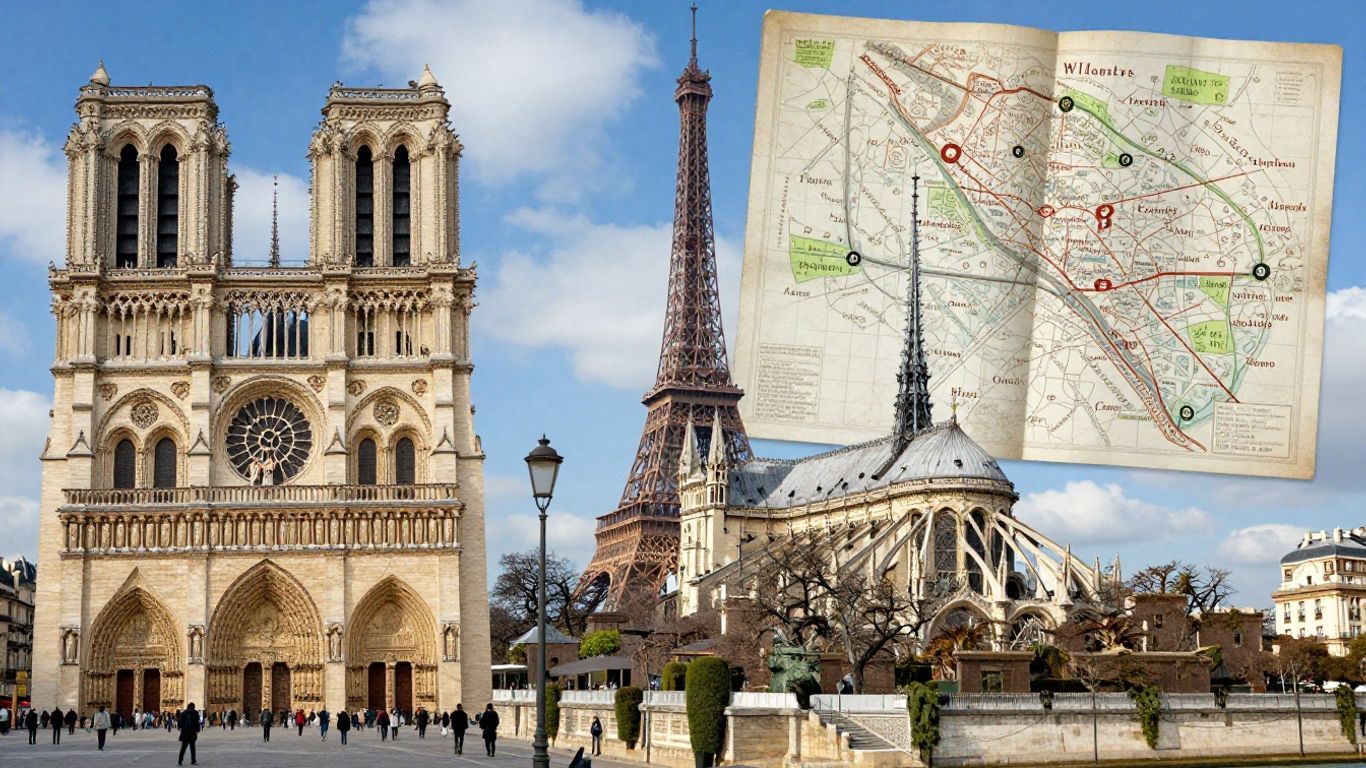
As you wander through the enchanting landscapes of France, you'll quickly discern that its streets, squares, and boulevards are more than just pathways; they are veritable storytellers. Navigating from one point to another becomes less about mere locomotion and more about absorbing a history lesson etched indelibly into stone and metal. Interestingly, unlike some nations that might primarily name places after royalty, France often chooses to celebrate its foundational ideals and the remarkable individuals who championed them. You'll frequently encounter names like 'Republic,' 'Liberty,' and 'Resistance,' all reflecting the nation's deeply held core values.
Literary Giants and Scientific Pioneers
France holds a profound reverence for its writers and thinkers, a respect vividly mirrored in its street nomenclature. While a "Monet Avenue" might not grace every town, literary figures are consistently granted prime recognition. Consider Victor Hugo, the colossal force behind "Les Misérables"—his name, for instance, adorns countless streets and squares across the entire country. Then there's Émile Zola, who fundamentally shaped the Naturalist literary movement by illustrating how environment and social conditions impact individuals. His enduring influence is likewise thoughtfully commemorated.
Science, too, receives its rightful acknowledgement. Louis Pasteur, the brilliant mind who gifted us pasteurization, is undeniably a monumental figure. His groundbreaking work in microbiology means his name is quite literally ubiquitous, gracing streets and avenues that stretch for miles. It's a truly fitting tribute to someone whose monumental discoveries continue to impact our daily lives.
- Victor Hugo: A celebrated poet and novelist whose works remain cornerstones of French literature.
- Émile Zola: The visionary founder of Naturalism in literature, known for his incisive social commentary.
- Louis Pasteur: A pioneering figure in microbiology and the inventor of pasteurization, a process that revolutionized food safety.
Commemorating Military Heroes and Resistance
France has certainly not forgotten its formidable struggles and hard-won triumphs on the battlefield, nor its defining moments of defiance. Throughout the country, you'll discover streets dedicated to figures who played absolutely pivotal roles in defending the nation. Jeanne d'Arc, the legendary Maid of Orléans, stands as one of the few women to be so widely honored, her name frequently appearing in town centers as an enduring symbol of courage and liberation. Military leaders from various historical eras also receive their due, from distinguished generals who commanded in major conflicts to those who led with conviction during times of occupation.
The naming of streets often serves as a collective memory, a profound way for a nation to honor its past and the individuals who shaped its destiny, particularly during times of conflict and the unwavering fight for freedom.
Furthermore, street names frequently mark highly significant dates. Keep an eye out for "Rue du 18 juin 1940," commemorating Charles de Gaulle's iconic radio appeal from London during World War II, or "Rue du 11 novembre," which solemnizes the Armistice of 1918. These are not merely street signs; they are powerful, tangible reminders of pivotal moments in French history.
Honoring Values of Liberty and Republic
Beyond honoring specific individuals, a great many French street names directly celebrate the nation's foundational principles. "Boulevard de la République," "Place de la Libération," and "Avenue de la Liberté" are incredibly common sights, perpetually reinforcing the cherished ideals of the French Republic. These names serve as an enduring public declaration of the values the country holds so dear, weaving them into the very fabric of urban life.
- Liberté (Liberty): A constant and resounding theme, prominently featured in numerous street and square names.
- Égalité (Equality): While perhaps less overtly common in direct street names, its spirit is unequivocally present in the nation's ethos.
- Fraternité (Fraternity): Often implicitly conveyed in communal spaces and public squares, representing unity and brotherhood.
Even philosophers who bravely championed free thought and social reform, such as Voltaire, have streets respectfully named in their honor, underscoring a deep-seated respect for intellectual freedom and robust public discourse.
The Stories Embedded in Street Names
Walk through virtually any city, and you'll quickly discern that street names are far more than mere labels; they are miniature history lessons, patiently waiting to be discovered. Each name, you see, quietly tells a story—a fascinating piece of the city's past or a vivid reflection of its cherished values. It's truly like encountering a hidden map, charting who and what the community has thoughtfully chosen to remember through the ages.
Tributes to Iconic Figures and Events
Many streets are thoughtfully named to honor individuals who left an indelible mark. Consider scientists like Louis Pasteur, whose groundbreaking work in microbiology is celebrated on avenues across France. Or ponder military leaders, such as General de Gaulle, whose name graces countless squares and boulevards in recognition of his pivotal role in the resistance. Dates commemorating major historical moments also receive their rightful homage. Streets designated 'Le 18 juin 1940' or 'Rue du 11 novembre' directly memorialize significant dates like the stirring appeal for resistance or the Armistice that ended World War I. These names serve as constant, tangible reminders of pivotal moments and the remarkable individuals who helped shape them.
Reflections of Local Culture and Trades
Beyond celebrated personalities and significant dates, street names frequently offer us a captivating glimpse into a city's history of work and daily life. You might, for example, stumble upon a 'Rue des Tanneurs' (Tanners' Street) or a 'Rue de la Monnaie' (Mint Street), each name subtly pointing to the crafts and industries that once vibrantly thrived in that particular area. These names forge a tangible connection to the everyday people and activities that were instrumental in building the city. Occasionally, the names can be a touch more unusual, like a 'Rue du Massacre' which, despite its somewhat grim connotation, might simply refer to the historical location of a local slaughterhouse, rather than a battle.
Quirky Names That Spark Curiosity
Of course, not all street names are solemn historical markers. Some are simply delightful, wonderfully fun, or utterly intriguing. Cities often feature lanes or streets with names that compel you to pause and ponder, perhaps a 'Pigeon Lane' or a 'Bacon Street'. These wonderfully unique names inject character and can easily become cherished local landmarks in their own right, sparking conversations and drawing curious visitors. They serve as a charming reminder that a city's distinctive identity is also built upon its unique, and sometimes wonderfully eccentric, allure.
How Street Names Shape Urban Perception
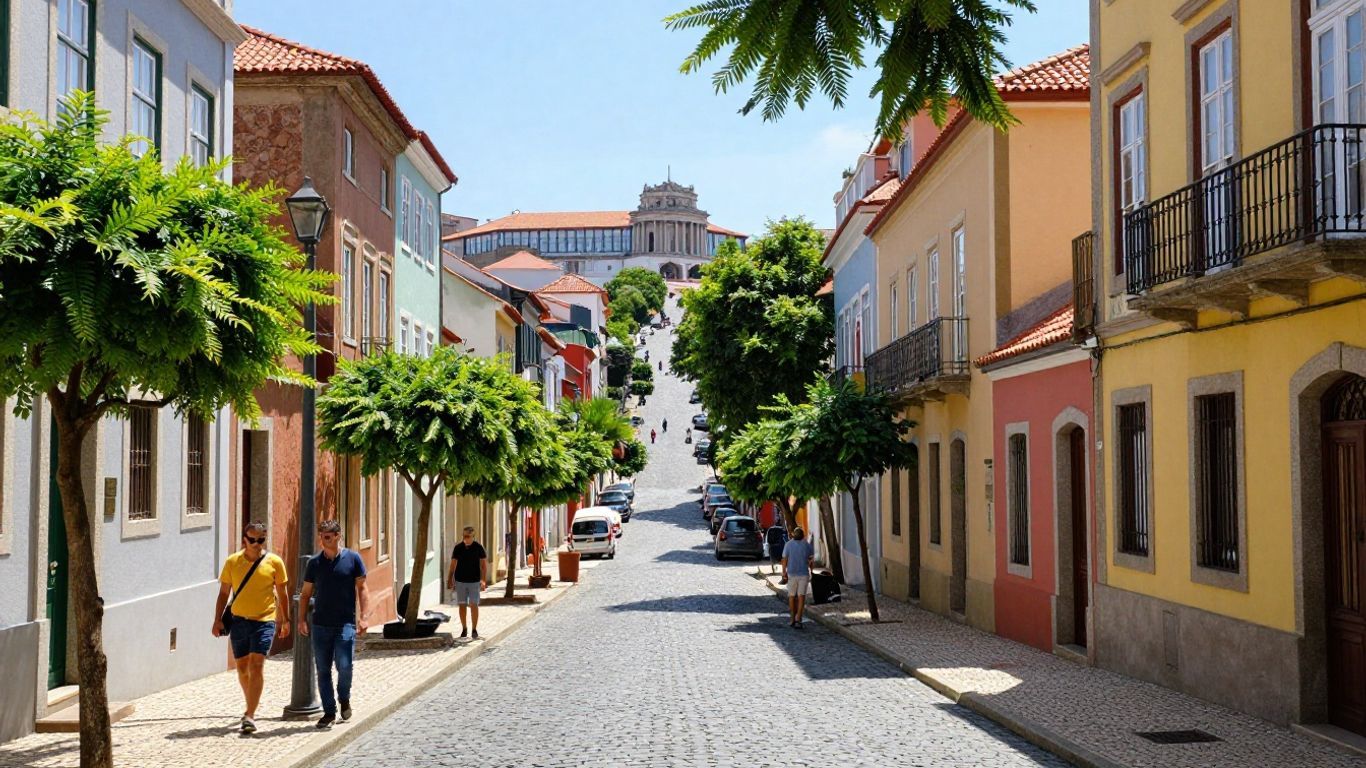
Street names are, in fact, far more than mere labels on a map; they actively influence how we perceive a place and how we choose to interact with it. Just think about it: doesn't a street called 'Whispering Pines Lane' conjure a distinctly different image than 'Industrial Way,' for instance? This subtle yet powerful effect of naming can sway everything from property values to a neighborhood's overarching atmosphere.
Beyond Mere Identification
At their most fundamental level, street names certainly help us navigate. Yet, their role extends much deeper. They can function as vital historical markers, silently recounting stories of the past without us even consciously realizing it. A street named after a local hero or a significant event instantly imbues that location with an added layer of meaning. It's almost as if the city itself is whispering its history to you as you stroll along.
Attracting Residents and Visitors
Names can genuinely impact how people perceive a neighborhood. A street boasting a charming or evocative name might naturally draw in prospective residents or discerning tourists seeking a unique experience. Conversely, a name that sounds rather bland or uninviting could easily cause people to overlook an otherwise perfectly appealing area. It's rather akin to branding, but for a physical place.
Here's a closer look at how various types of names might subtly influence perception:
| Name Type | Potential Perception |
|---|---|
| Evocative/Natural | Peaceful, desirable, family-friendly |
| Historical/Heroic | Significant, proud, culturally rich |
| Utilitarian/Generic | Functional, perhaps less character, practical |
| Quirky/Unique | Memorable, interesting, potentially tourist-friendly |
The Dynamic Nature of Urban Nomenclature
Importantly, street names aren't cast in stone forever. Cities frequently opt to rename streets to accurately reflect evolving times, honor new influential figures, or rectify past historical oversights. This ongoing process vividly illustrates how urban spaces consistently evolve and how naming remains a vital, living component of a city's identity. It's a powerful way for communities to refresh their narrative and acknowledge new values or truly significant moments.
The way a street is named can subtly guide our expectations and feelings about a place, transforming a simple address into a narrative element that profoundly shapes our urban experience.
International Homages in City Naming
Intriguingly, cities often extend their gaze beyond their own national borders when deliberating on names for streets and public spaces. This practice serves as a meaningful way to acknowledge global connections, celebrate shared values, and remember significant international figures or events that have profoundly impacted either the local community or the world at large.
Celebrating Allied Nations and Soldiers
Many towns and cities proudly feature streets named to honor the invaluable contributions of allied nations, particularly within the context of historical alliances or crucial wartime cooperation. These names stand as enduring reminders of solidarity and mutual support, woven into the urban fabric.
- Place des All Blacks in Talmont, France, specifically honors New Zealand soldiers who played a vital role in the town's liberation during wartime.
- Streets might also be named after allied countries themselves, such as Avenue des États-Unis (Avenue of the United States) or Boulevard de l'Angleterre (Boulevard of England), vividly reflecting deep historical ties.
- The Promenade des Anglais in Nice is a particularly famous example, acknowledging the early British visitors who were instrumental in establishing the city as a beloved winter destination.
Recognizing Foreign Dignitaries and Events
Beyond military alliances, cities also make a point of commemorating foreign leaders, esteemed cultural figures, and pivotal international moments. This practice can encompass everything from honoring heads of state to marking significant treaties or declarations that shaped global affairs.
- Quai des États-Unis in Nice effectively highlights the enduring relationship with the United States.
- Street names might also pointedly reference international treaties, like those concluding major conflicts, such as Rue du 11 novembre (commemorating the WWI Armistice) or Rue du 8 mai (marking Victory in Europe Day).
- Occasionally, a street might be named after a foreign monarch who held a significant historical connection to the area, such as Édouard 1er d’Angleterre in Talmont, who notably founded the village.
The act of naming streets after international figures or events is far more than just a geographical marker; it's a deliberate choice to embed a narrative of global awareness and historical connection into the urban fabric. It tells a powerful story of how the city perceives itself in relation to the wider world, acknowledging shared histories and mutual respect across borders.
The Legacy of French Presidents and Politicians
France, a nation boasting an exceptionally rich political history, very frequently honors its leaders and influential figures by thoughtfully naming streets, squares, and boulevards after them. This venerable practice serves as a constant, public reminder of their contributions and the distinct eras they so profoundly shaped. From the foundational early Republics right up to modern times, the names of presidents and key politicians are intricately woven into the urban fabric of cities across the entire country.
Remembering Leaders of the Republics
Numerous streets proudly bear the names of individuals who served as President of the French Republic. Adolphe Thiers, for instance, the inaugural president of the Third Republic, is a common sight on street signs, often gracing a Boulevard Thiers. His significant legacy is inextricably linked to the establishment of a stable republican government following a tumultuous period. Similarly, Sadi Carnot, the fourth president of the Third Republic, is respectfully commemorated, his tenure tragically cut short by assassination. These names are not merely labels; they profoundly represent significant moments in France's arduous journey towards establishing and steadfastly maintaining its republican ideals.
Acknowledging Key Political Figures
Beyond presidents, other politicians who played absolutely vital roles in French history are also frequently honored. Figures like Léon Gambetta, a prominent republican deputy, are remembered for their impassioned advocacy and considerable influence during critical political periods. Georges Clemenceau, a formidable statesman who served multiple times as Prime Minister—most notably during World War I—has streets named in his honor, recognizing his extraordinarily strong leadership. Aristide Briand, a prolific Prime Minister and distinguished Nobel Peace Prize laureate, is likewise a recurring name, underscoring his significant impact on both domestic and international affairs.
- Adolphe Thiers: The very first President of the Third Republic, instrumental in its early formation.
- Sadi Carnot: The fourth President of the Third Republic, whose life was tragically cut short.
- Léon Gambetta: An influential republican deputy, known for his powerful oratory and political acumen.
- Georges Clemenceau: A pivotal Prime Minister during World War I, often called "The Father of Victory."
- Aristide Briand: A multiple-time Prime Minister and Nobel Peace Prize winner, recognized for his diplomatic efforts.
The naming of public spaces after political figures is a poignant way for a nation to publicly acknowledge and perpetuate the memory of those it deems instrumental in its development and governance. It's a profound form of civic storytelling, embedding crucial political narratives into the everyday landscape.
Street names such as Avenue Raymond Poincaré or Place Georges Clemenceau are indeed more than just directions; they are truly historical markers, inviting thoughtful reflection on the individuals and the pivotal political eras they represent. These dedications powerfully underscore the enduring impact of political leadership on both the national identity and the physical landscape of France.
Street Names as Historical Markers
Dates of Significance in French History
Many streets across France effectively serve as living timelines, commemorating pivotal moments that irrevocably shaped the nation. You'll often discover avenues and squares named after highly significant dates, acting as constant, tangible reminders of historical events. For instance, streets named 'Rue du 18 juin 1940' or 'Avenue du 8 mai' directly reference the dates of key World War II events—Charles de Gaulle's famous radio appeal for resistance and the date of German surrender, respectively. Similarly, 'Rue du 11 novembre' clearly points to the Armistice of 1918, marking the definitive end of World War I. These names aren't merely labels; they are deliberate historical signposts, intricately embedded within the urban fabric.
Commemorating Battles and Victories
Beyond specific dates, French cities frequently honor military achievements and the courageous figures associated with them. Streets might proudly bear the names of famous battles or the intrepid generals who led their forces to victory. Think of appellations like 'Place de Friedland,' referencing Napoleon's triumph in 1807, or streets dedicated to heroes of World War I such as Joseph Joffre, the victor of the Marne, and Ferdinand Foch, the Supreme Allied Commander. Even iconic figures like Joan of Arc, a revered national heroine, have squares and streets named in her honor, like 'Place Jeanne d'Arc' in Rouen, the very city where she met her tragic end.
Remembering Social Reformers and Philosophers
It's not exclusively military or political events that are immortalized in street names. France also cleverly utilizes its urban landscape to remember profound thinkers and diligent reformers who significantly influenced its social and intellectual history. Boulevard Victor Hugo, named after the renowned 19th-century writer and poet, is a common and welcome sight, celebrating literary giants. You'll also encounter streets named after influential philosophers and social reformers like Voltaire, whose powerful ideas championed free speech and reason. These names serve as a lasting tribute to the intellectual currents that have so deeply shaped French society and its cherished values.
More Than Just Street Signs
So, as we conclude our fascinating journey through the stories behind city names, it's abundantly clear that these designations are far more than mere directions on a map. They are, in essence, miniature history books, often quietly tucked away on street corners, patiently telling tales of heroes, significant events, and even the nuances of everyday life from long ago. Whether it's a grand boulevard named after a national leader or a quaint small lane that remembers an old trade, each name adds a rich, distinct layer to the place we call home or choose to visit. So, next time you're out and about, consider taking a second—just a moment—to truly look at the street signs. You might just discover a brand-new story waiting to be told, connecting you a little more deeply to the incredible world around you.
Frequently Asked Questions
Why do cities name streets after famous people?
Cities very often name streets after celebrated individuals to honor their significant achievements and lasting contributions. This practice could be for scientists who made groundbreaking discoveries, artists who created masterpieces, or influential leaders who helped shape the country. It's a thoughtful way to remember important figures and keep their remarkable stories alive for everyone to appreciate and learn from.
Are street names always serious, or can they be fun?
Street names can absolutely be fun and wonderfully quirky! While many do indeed honor important people or events, some possess delightful, unusual, or even humorous names that often bring a smile to people's faces. These unique appellations can readily become cherished local landmarks, adding a distinct bit of personality to a city and making them truly memorable and interesting places to explore.
Do street names tell us anything about a city's history?
Absolutely! Street names are very much like compact history lessons. They can serve as powerful reminders of important dates, such as when a significant war concluded, or commemorate local trades and industries that once thrived in a particular area—think of a street named after a baker or a tanner. They genuinely help us understand what was important to the people who lived there generations ago.
Can street names change over time?
Yes, indeed, street names can and do change! Sometimes, if a city's government or its prevailing values undergo a shift, they might decide to rename a street to better reflect new ideas or to honor different, perhaps newly recognized, people. This dynamic process clearly shows that cities are constantly evolving, and their names often change right along with them.
Why are there so many streets named after French leaders?
France possesses a long and incredibly rich history, featuring many influential leaders, particularly presidents and politicians who have guided the country through various pivotal times. Naming streets after them is a profound way for France to remember its leaders and to honor the historical journey of its republics. You'll quite often see prominent names like 'Republic Square' or boulevards named directly after past presidents, symbolizing their enduring legacy.
Do street names in France honor women as much as men?
Historically, streets in France have more frequently been named after men. However, some extraordinarily important women are certainly recognized, such as Joan of Arc, who remains a profoundly significant figure in French history. Encouragingly, cities are progressively beginning to include more women in their street naming practices, reflecting a growing appreciation for their diverse contributions.
Share

citiesabc resources
Citiesabc is a digital transformation platform dedicated to empowering, guiding, and indexing cities worldwide. Established by a team of global industry leaders, academics, and experts, it offers innovative solutions, comprehensive lists, rankings, and connections for the world's top cities and their populations


