
business resources
What is an Essential Customer Success Function for Growth?
24 Dec 2025

In today's competitive landscape, simply closing a deal isn't enough—keeping customers happy long after the sale is what truly matters. Businesses have to ensure that clients consistently get great results from their purchases. This is precisely where the customer success function comes into play. It’s a critical component of business growth, designed to make sure customers extract maximum value from products and services. This article dives into what makes a customer success function tick and why it’s so essential for sustainable growth.
Key Takeaways
- At its heart, the customer success function is dedicated to helping customers achieve the outcomes they're looking for from a product or service. This goes beyond simple support; it's about ensuring they realize tangible value.
- Effective customer success leads to customers sticking around longer. Why? Because they're consistently getting value, which naturally helps reduce customer churn.
- When customers are succeeding, they are far more likely to upgrade or purchase additional services. The customer success function is perfectly positioned to identify these organic growth opportunities.
- To be truly effective, a customer success function must collaborate seamlessly with other departments—like sales and product teams—to deliver a consistent and unified customer experience.
- Measuring what success means to the customer and tracking the performance of the customer success function are key to demonstrating its immense value to the entire organization.
Defining The Customer Success Function
Understanding the Core Purpose of Customer Success
In the modern business world, particularly with the rise of recurring revenue models, the initial sale is really just the first step. The true test—and the greatest opportunity—is making sure customers continue to find value in what they’ve purchased. This is the domain of the Customer Success function. It's not a reactive, wait-for-a-problem role; it's a proactive strategy to help customers reach their goals using your product or service. The core purpose is to ensure customers achieve their desired outcomes, which in turn fuels business growth through better retention and expansion. Think of it as a genuine partnership where your company's success is directly linked to your customers' success.
Aligning Customer Needs with Business Capabilities
Customer Success acts as a vital bridge between the customer and the company. It’s responsible for understanding what customers need to achieve in their own business and then aligning those needs with the capabilities of your product or service. This means getting to the bottom of a customer's objectives, their unique challenges, and how they intend to use your solution. From there, the Customer Success team works to ensure your offerings are leveraged in the best way possible to meet those specific needs. It's all about drawing a clear, straight line from the customer's goals to the value your business delivers.
The Strategic Role of Customer Success in Growth
Far from being just another support department, Customer Success is a strategic engine for growth. By relentlessly focusing on customer value realization, this function has a direct and measurable impact on key business metrics. It helps slash costly customer churn and, instead, cultivates deep loyalty. And loyal customers? They’re much more likely to renew their contracts and even expand their use of your products or services. This creates new, predictable revenue streams and adds stability to your business—a proactive strategy that turns happy customers into powerful advocates for your brand.
Customer Success is fundamentally about building long-term relationships rooted in mutual benefit. It demands a deep understanding of the customer's world and an unwavering commitment to their success, recognizing that their wins are the company's wins.
Driving Value Realization for Customers
Customer success isn’t merely about ensuring a customer can use your product; it’s about making sure they get the result they were after in the first place. Imagine buying a new drill. You don't just want the drill itself; you want the perfectly hung shelf. Customer success is the function that helps your customer hang that shelf—and feel great about it.
Ensuring Customers Achieve Desired Outcomes
Customers purchase your product or service to solve a particular problem or reach a specific goal. Your role in customer success is to be their guide on that journey. What does that mean in practice? It involves understanding what success looks like from *their* point of view, not just yours. It begins with setting clear expectations and then actively working to help them meet—and exceed—them.
- Define Success Together: Early on, conversations should center on the customer's objectives. What are they trying to accomplish? What does a home run look like for them?
- Map the Path: Once you know the destination, help them chart the course. This could involve targeted training, sharing best practices, or suggesting specific product configurations.
- Monitor Progress: Check in regularly to see if they're on track. Are they hitting their milestones? Are any roadblocks getting in the way?
The heart of value realization is a partnership. It's about aligning your capabilities with your customer's ambitions and actively working to bridge any gaps along the way.
Maximizing Return on Investment Through Product Adoption
Just because a customer is using a product doesn't mean they're getting value from it. True adoption is about how deeply and effectively customers integrate your solution into their daily workflows to get tangible results. High adoption means customers aren't just logging in; they're actively using the features that drive their desired outcomes, whether that's saving time, cutting costs, or boosting revenue.
- Identify Key Features: Understand which features deliver the biggest punch for different customer goals.
- Guide Usage: Offer the right resources and support to help customers use these powerful features effectively.
- Show the Impact: Help customers connect the dots between their usage and the results they're seeing. This can be done through reports, business reviews, or direct feedback.
Effective adoption is the very foundation of a successful Customer Success strategy. It’s what transforms casual users into passionate advocates, driving higher renewals and creating expansion opportunities.
Proactive Engagement for Continuous Value
Waiting for a customer to call with a problem is a reactive, and often too-late, approach. Proactive engagement, on the other hand, means anticipating needs and offering support *before* issues arise. It's about staying connected, understanding their evolving business challenges, and consistently suggesting ways they can get even more value from your solution over time.
- Regular Check-ins: Schedule periodic calls or meetings not just to put out fires, but to discuss their progress and any new challenges on the horizon.
- Share Insights: Keep them informed with updates on new features, best practices, or industry trends that could benefit their business.
- Identify Opportunities: Be on the lookout for ways they could expand their use of your product to tackle new problems or seize new opportunities.
This ongoing dialogue builds a rock-solid relationship and ensures that the customer's perceived value of your offering only grows as their business does.
The Impact of Customer Success on Revenue
Customer Success is much more than a feel-good initiative; it's a direct driver of financial growth. In business models built on recurring revenue, like subscriptions, keeping customers happy and successful is absolutely essential to keeping that revenue flowing. When customers get real, tangible value from what you offer, they're far more likely to stick around, renew their contracts, and even increase their spending over time. This function is dedicated to making sure that happens.
Reducing Churn and Improving Retention Rates
Churn—the rate at which you lose customers—is a silent killer of revenue. Customer Success teams act as the first line of defense against it by proactively identifying customers who might be struggling or disengaged. By reaching out, offering a helping hand, and ensuring customers are using the product effectively to meet their goals, these teams forge stronger relationships. This makes customers feel supported and understood, which dramatically increases the likelihood of renewal. Think of it like tending a garden; consistent care prevents the plants from withering.
Creating Opportunities for Expansion and Upselling
Once a customer is thriving and happy, they become a prime candidate for growth. Because Customer Success teams have a deep understanding of a customer's business and their use of your product, they can spot opportunities where additional features, services, or higher-tier plans could deliver even more value. This isn't about a hard sell; it's about recognizing a customer's evolving needs and proposing solutions that genuinely help them—a win-win scenario that can lead to upselling (moving to a more advanced plan) or cross-selling (adding related products).
Fostering Customer Loyalty and Lifetime Value
Loyal customers are the bedrock of any sustainable business. When customers consistently achieve their goals with your help, they develop a deep sense of trust and connection to your brand. This loyalty directly translates into a higher customer lifetime value (LTV)—the total revenue a customer is expected to generate throughout their relationship with your company. What's more, loyal customers often become your best marketers, recommending your product or service to others and driving new customer acquisition at a fraction of the usual cost.
A satisfied customer is highly likely to become a repeat customer, and a repeat customer is a powerful contributor to predictable revenue. A sharp focus on customer outcomes directly strengthens the bottom line by making revenue more stable and reliable.
Here's a breakdown of how Customer Success impacts revenue:
- Reduced Churn: By tackling issues before they lead to cancellations, CS directly saves revenue that would otherwise be lost.
- Increased Retention: Happy, successful customers renew their contracts, ensuring a steady and predictable stream of income.
- Expansion Revenue: By identifying and acting on opportunities for customers to upgrade their plans or use more of your services.
- Customer Advocacy: By turning delighted customers into promoters who bring in new business through valuable referrals.
Key Pillars of an Effective Customer Success Function
Building a top-tier Customer Success function isn't about finding a single magic bullet; it's about establishing a solid foundation with several interconnected pillars. These components work in harmony to ensure your customers not only adopt your product but also consistently find value and achieve their strategic goals. Without these core elements, even the most well-intentioned efforts can miss the mark.
Proactive Customer Engagement Strategies
A great Customer Success team moves beyond just reactively solving problems. Proactive engagement means anticipating customer needs and spotting potential roadblocks before they even surface. This involves mapping out the customer lifecycle and identifying key moments where a bit of guidance can make a huge difference. It’s about building a genuine relationship and showing that you’re invested in their ongoing success—not just in the initial transaction.
- Onboarding: Skillfully guiding new customers through setup and initial use to ensure they start their journey on the right foot.
- Regular Check-ins: Holding scheduled conversations to review progress, tackle questions, and uncover opportunities for them to get more from the product.
- Health Scoring: Using data to monitor customer usage patterns and feedback, allowing you to predict potential issues and step in before they escalate.
- Education & Resources: Providing continuous training, sharing best practices, and maintaining a rich knowledge base to empower customers.
Proactive engagement shifts the entire dynamic from fixing problems to preventing them, which creates a much smoother and more valuable experience for the customer.
Data-Driven Insights for Tailored Support
You can't manage what you don't measure. Effective Customer Success leans heavily on understanding customer behavior through data. This means collecting and analyzing information to see how customers are using your product, which features they love, and where they might be getting stuck. This data allows for highly personalized support and strategic guidance, moving far away from a one-size-fits-all approach.
Here’s a glimpse at some key data points worth tracking:
| Metric Category | Specific Metrics |
|---|---|
| Product Adoption | Feature Usage Frequency, Time Spent in Product |
| Customer Engagement | Login Frequency, Support Ticket Volume, NPS Scores |
| Value Realization | Goal Achievement Rate, ROI Indicators |
| Customer Health | Churn Risk Score, Renewal Likelihood |
Cross-Functional Collaboration for Unified Experience
Customer Success should never operate in a silo. To truly succeed, it needs strong partnerships with other departments like Sales, Marketing, Product, and Support. When these teams are in sync—sharing insights and aligning on customer goals—it creates a seamless and positive experience for the customer at every touchpoint. This collaboration ensures that valuable customer feedback informs product improvements and that everyone is working toward the same North Star: the customer's success.
- Sales: Ensuring smooth handoffs of new customers with clear expectations and rich context.
- Product: Relaying critical feedback on feature requests and user experience pain points.
- Marketing: Aligning on customer messaging and the core value proposition.
- Support: Working together on complex issue resolution and sharing knowledge.
Ultimately, a truly effective Customer Success function is built on a foundation of proactive outreach, guided by data-driven insights, and championed by the entire organization.
Integrating Customer Success Across the Organization
Customer Success as a Company-Wide Priority
For Customer Success to truly thrive, it can't just be another department—it has to be a philosophy that permeates every corner of the business. When everyone, from engineering to marketing, understands that the customer's well-being directly drives the company's growth, you create a powerful, unified force. This requires moving beyond siloed thinking and embracing the idea that every team plays a crucial role in the customer's journey and their ultimate success.
Educating Teams on the Value of Customer Success
Making Customer Success a company-wide priority starts with education. It's crucial to help all teams understand its purpose and, more importantly, its impact on the metrics they care about. The product team, for instance, will be keen to see how customer health scores and usage trends can inform their development roadmap. Sales teams, on the other hand, will be more interested in retention rates and the expansion revenue unlocked by happy customers.
Here's how you might tailor the message for different teams:
- Product Teams: Focus on user adoption data, feature usage patterns, and the feedback loops that lead to a better product.
- Sales Teams: Showcase customer retention figures, expansion opportunities uncovered by CSMs, and the growth in customer lifetime value.
- Marketing Teams: Share compelling success stories, glowing testimonials, and data that highlights customer loyalty and advocacy.
- Leadership: Present the big picture—overall customer health, churn reduction, and the direct contribution of Customer Success to the bottom line.
Embedding Customer-Centricity from the Outset
Building a customer-centric culture works best when it's baked in from day one. Encourage cross-functional involvement early and often in the customer lifecycle. For example, inviting an engineer or a product manager to join a customer onboarding call or a Quarterly Business Review (QBR) can provide invaluable, firsthand feedback and a much deeper understanding of customer needs. This simple practice helps build empathy and a shared sense of ownership for customer outcomes across the entire organization.
When customer-centricity is woven into the very fabric of your company, it naturally guides decision-making at every level. This proactive mindset prevents problems before they start and builds a solid foundation for long-term customer relationships and sustainable growth.
Measuring Success and Demonstrating ROI
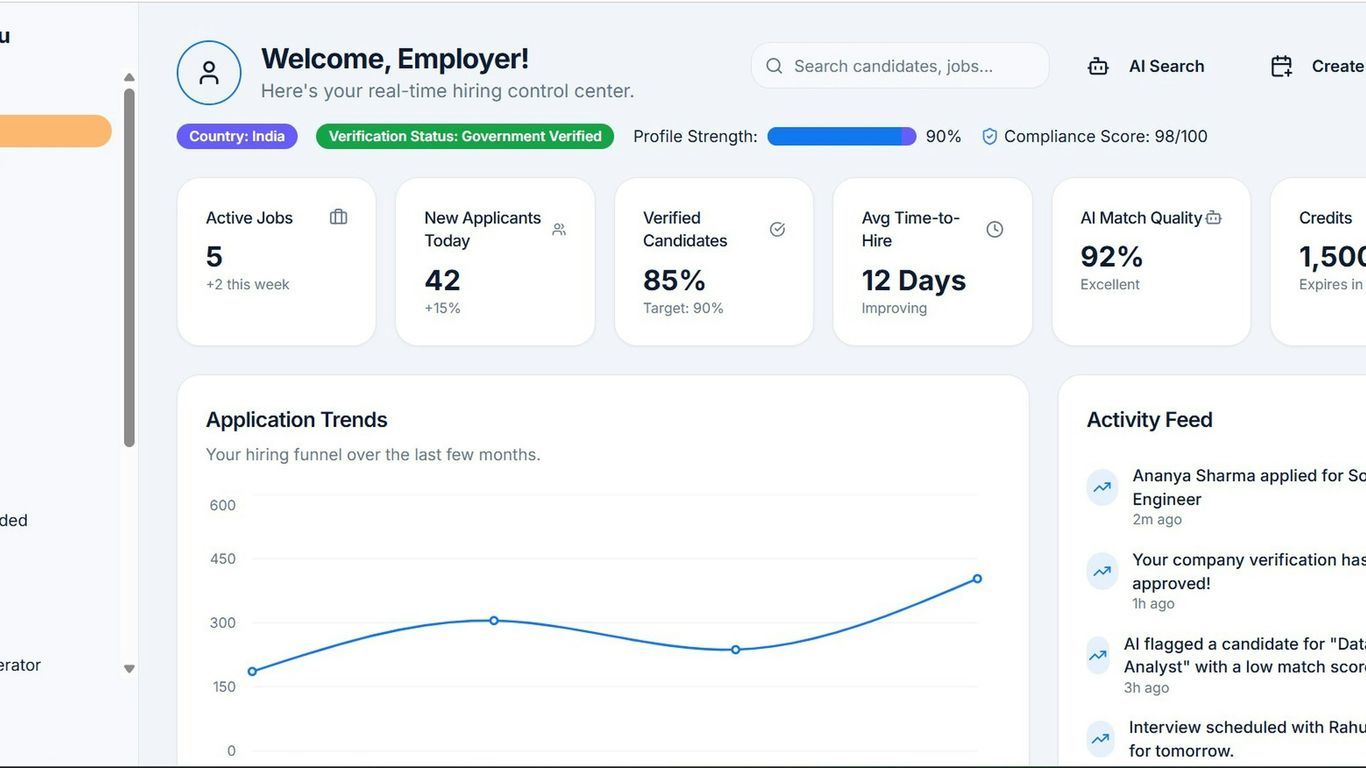
To truly grasp the impact of your customer success initiatives, you need to clearly define what success looks like and then measure it relentlessly. This isn't just about feeling good about helping customers; it's about proving how these efforts directly contribute to the company's financial health. It all comes down to a clear strategy for measuring outcomes and communicating that value effectively to the rest of the business.
Defining What Success Means to Your Customers
Before you can measure anything, you have to understand what "success" actually means from your customer's point of view. It’s easy to assume you know what they want, but it's far more powerful to let them define it. This involves actively listening and observing how they use your product to achieve their own business goals. Your customer success managers (CSMs) are your eyes and ears here. The real objective is to foster success as defined by the customer—not by your internal assumptions. This customer-first perspective is the bedrock of all meaningful measurement.
Tracking Key Metrics for Customer Health
Customer success is, at its core, a data-driven field. Tracking the right metrics is not only crucial for refining your own strategies but also for sharing valuable insights across the organization. A well-constructed customer health score can be particularly powerful. This score typically blends various factors, like customer satisfaction (NPS), product usage, and overall engagement. By monitoring these indicators, you can proactively spot customers who are thriving and those who might be at risk, allowing for timely and effective intervention. Some key business metrics to focus on include:
- Improving product and feature adoption to accelerate time-to-value.
- Increasing customer retention by securing renewals.
- Boosting recurring revenue by identifying upsell and cross-sell opportunities.
- Gathering feedback to enhance functionality and inform the product roadmap.
These metrics help translate high-level goals into tangible Key Performance Indicators (KPIs) that link directly to business outcomes. For example, understanding how customers engage with your product can inspire new content for marketing or better knowledge base articles for support. This data-driven approach fosters smarter decisions across the board, contributing to a better long-term return on investment.
Communicating Value to Stakeholders
Once you have your data, the final piece of the puzzle is to communicate the value of customer success to stakeholders in a way that resonates with them. This means speaking their language. The product team might want to see data on feature adoption and user engagement, while the sales team will care more about retention rates and expansion revenue. It's essential to present your findings in clear business terms, showing exactly how improvements in customer health translate to revenue protection and growth. By clearly demonstrating how customer success contributes to financial goals, you secure the buy-in and resources needed for ongoing success, ultimately proving the financial viability of your entire function.
Bringing It All Together
So, what's the bottom line? In today's business environment, especially for companies with subscription models, the sale is just the beginning. The real work—and the real opportunity—lies in ensuring your customers are genuinely succeeding with what they bought. That's the entire mission of Customer Success. It's not just a department; it's a business philosophy focused on helping customers get incredible value from your product or service. When you do this right, customers stay longer, spend more, and become your biggest fans. It's about building lasting relationships where everyone wins. Investing in Customer Success isn't just a nice-to-have; it's a strategic imperative for any company serious about long-term growth.
Frequently Asked Questions
What's the primary goal of Customer Success?
The main goal is to ensure customers get the maximum possible value from a product or service. It's all about helping them achieve their own objectives, which in turn helps the business retain and grow its customer base.
How does Customer Success actually help a business grow?
It drives growth by building customer loyalty. Successful customers are less likely to leave (which reduces churn), more likely to buy more over time (upselling), and often recommend the product to others (advocacy), creating a powerful cycle of growth.
Is Customer Success just another name for Customer Support?
Not at all. Customer Support is typically reactive—it helps customers solve problems when something goes wrong. Customer Success is proactive; it focuses on guiding customers to achieve their goals from the very beginning and preventing problems before they start.
What does a Customer Success team actually do day-to-day?
Their key activities include guiding new customers through setup (onboarding), teaching best practices, regularly checking in on progress, and proactively identifying ways for customers to get even more value from the product.
Why is Customer Success so critical for subscription businesses?
For any business relying on recurring revenue, keeping customers is everything. Customer Success ensures clients continually see the value in their subscription, making them far more likely to renew year after year. This creates stable, predictable income.
How can you tell if your Customer Success efforts are working?
You know it's working when you see positive trends in key metrics. Look for high customer retention rates, increased product adoption, positive customer feedback, and growth in revenue from existing customers. These numbers show that customers are thriving.


