
business resources
What is the Future of Energy Production?
19 Aug 2025

The way we get our power is changing, and fast. For a long time, we've relied a lot on things like coal and oil, but that's not really working anymore. There are a few big reasons for this, like wanting cleaner air and dealing with climate change. This means we're looking at new ways to produce energy, and it's going to affect everything from our homes to how industries work. It's a big shift, and understanding it helps us see where we're headed.
Key Takeaways
- The global energy mix is moving away from fossil fuels, driven by environmental concerns and the need for sustainable practices.
- Renewable sources like solar and wind power are seeing massive growth and are expected to dominate future energy production.
- Nuclear energy, particularly with the development of small modular reactors, is being reconsidered as a significant low-carbon energy source.
- Electricity demand is rising across all sectors, and the electricity grid itself is transforming to become cleaner and more efficient, aiming for net-negative emissions.
- Innovations in energy storage, alongside alternatives like hydrogen and biofuels, are critical for managing the transition and ensuring reliable energy supply.
The Evolving Landscape of Energy Production
The way the world generates energy is changing, and it's happening faster than many expected. We're seeing a big move away from the old ways of doing things, especially when it comes to fossil fuels like coal, oil, and natural gas. These have powered our lives for a long time, but their environmental impact and the fact that they'll eventually run out mean we need new solutions.
Current Global Energy Production Mix
Right now, fossil fuels still make up the biggest chunk of how we get our energy. In 2019, for example, oil, coal, and natural gas together accounted for over 80% of the global energy supply. Oil was around 30.9%, coal was 26.8%, and natural gas was 23.2%. Renewable sources, like solar and wind, were much smaller players back then, making up only about 2.2% of the total. Hydroelectricity and biomass were a bit larger, but still not the main event. It's clear that the energy system has been heavily reliant on these traditional sources for decades.
The Shift Away from Fossil Fuels
But things are changing. The International Energy Agency (IEA) notes that the global energy system is set for a significant transformation by 2030. We're seeing a huge increase in clean energy technologies. Think more electric cars, solar power generating more electricity than the entire US system currently does, and renewables making up almost half of the global electricity mix. Even things like heat pumps are starting to outsell fossil fuel boilers. This shift means that the demand for coal, oil, and natural gas is expected to peak and then start declining within this decade. The share of fossil fuels in our energy supply, which has been stuck around 80% for years, could drop to about 73% by 2030. This is a pretty big deal.
Key Drivers of Change in Energy Production
What's causing this big shift? Several things are pushing us in this direction. For starters, there's a growing awareness of climate change and the need to reduce greenhouse gas emissions. Governments around the world are setting new policies and climate pledges, which are accelerating the adoption of clean energy. Technological advancements have also made renewable energy sources like solar and wind much more affordable and efficient. Plus, the economic benefits of these new technologies are becoming more apparent. For instance, investment in offshore wind projects is now significantly higher than in new coal and gas plants. The global manufacturing capacity for solar panels is also growing rapidly, suggesting a future where solar power plays an even larger role. It's a complex mix of environmental concerns, policy changes, and economic opportunities that's reshaping our energy landscape.
The transition to cleaner energy sources is not just a trend; it's a fundamental reshaping of how societies power themselves, driven by a combination of environmental necessity, technological progress, and evolving economic priorities.
We're seeing innovations across many sectors, including energy management, which is a testament to how widespread these changes are becoming. Apex innovation, for example, is driving improvements in efficiency and sustainability in areas like agriculture and manufacturing, showing how interconnected these advancements are [7674].
Dominance of Renewable Energy Sources
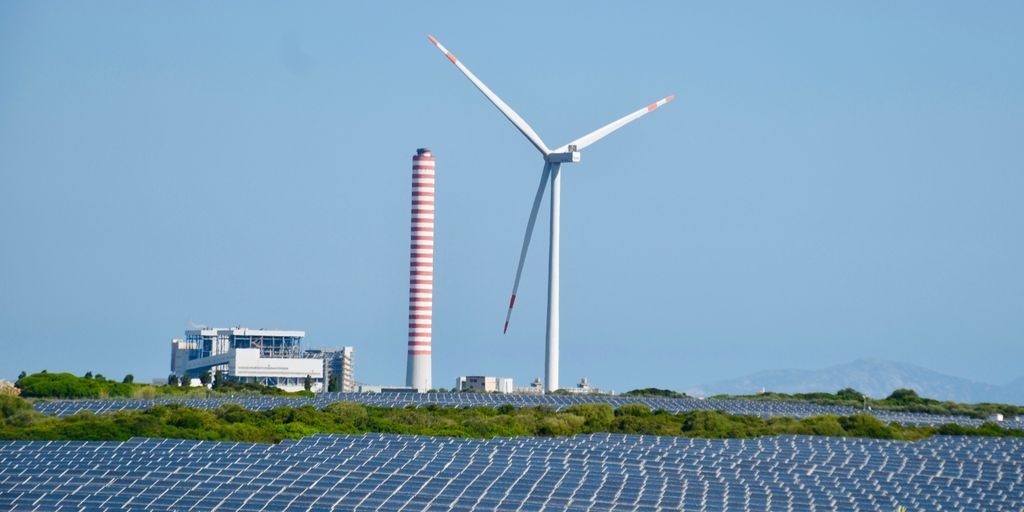
The global energy landscape is undergoing a significant transformation, with renewable energy sources increasingly taking center stage. This shift is driven by a growing awareness of climate change, the desire for energy independence, and the rapidly falling costs of renewable technologies. Renewable energy is no longer a niche alternative but a mainstream solution for powering our world.
The Rise of Solar and Wind Power
Solar and wind power have emerged as the frontrunners in the renewable energy revolution. Their capacity has expanded dramatically over the past decade, making them the fastest-growing energy sources globally. In 2019, solar and wind accounted for 95% of the expansion in renewable energy capacity. Today, over 90% of new renewable projects are more affordable than fossil fuel alternatives, with solar and offshore wind being significantly cheaper. This cost-effectiveness, coupled with technological advancements, has made them highly attractive options for both developed and developing nations. The potential for these sources is vast, with estimates suggesting that 90 percent of the world's electricity could come from renewables by 2050. This growth is further fueled by the increasing demand for electricity, partly driven by sectors like Artificial Intelligence, where data centers consume substantial amounts of power. Many major tech firms are now committing to powering their data centers with 100% renewables by 2030.
Hydroelectricity's Enduring Role
While solar and wind capture much of the current attention, hydroelectricity remains a vital component of the renewable energy mix. It has a long history of providing reliable and large-scale power generation. Hydropower plants harness the energy of moving water, typically from dams, to spin turbines and generate electricity. Despite its established presence, the expansion of new hydroelectric capacity has been slower compared to solar and wind in recent years. However, its consistent output and ability to provide baseload power make it an indispensable part of a diversified renewable energy portfolio. The ongoing development of pumped-storage hydropower also offers valuable grid flexibility and energy storage capabilities.
Emerging Renewable Technologies
Beyond solar, wind, and hydro, a range of other renewable technologies are gaining traction and hold significant promise for the future. Wave energy, which utilizes the motion of ocean waves, is one such area. Technologies like oscillating water columns and point absorbers are being developed to convert wave movement into electricity. Geothermal energy, tapping into the Earth's internal heat, offers a consistent and reliable power source. Biomass, derived from organic matter, also plays a role, particularly in regions with abundant agricultural or forestry resources. While these technologies may not yet match the scale of solar and wind, ongoing research and development are improving their efficiency and cost-effectiveness, paving the way for their broader adoption in the coming years. The integration of these diverse renewable sources is key to building a resilient and sustainable energy system, supporting the distributed infrastructure that will define future economic models [5c3c].
The transition to clean energy is happening worldwide and it’s unstoppable. It’s not a matter of if, but when and how quickly we can accelerate this change to meet our climate goals and build a more secure energy future.
The Future Role of Nuclear Energy
Nuclear power is often discussed as a key player in the global energy transition, and for good reason. It offers a way to generate large amounts of electricity without producing greenhouse gases during operation. This makes it an attractive option as countries aim to decarbonize their power sectors.
Advantages of Nuclear Power
One of the main benefits of nuclear energy is its reliability. Unlike solar and wind, which depend on weather conditions, nuclear power plants can operate continuously, providing a stable baseload of electricity. This consistent output is vital for grid stability. Additionally, nuclear power plants have a very small physical footprint compared to other energy sources that generate a similar amount of power, meaning they require less land.
Addressing Operational Risks
Of course, nuclear energy isn't without its challenges. Safety concerns, particularly the risk of accidents and the management of radioactive waste, are significant considerations. Strict regulatory oversight and continuous technological advancements are paramount to mitigating these risks. The industry has learned a great deal from past incidents, leading to improved safety protocols and designs. Waste disposal remains a long-term challenge, requiring secure, long-term storage solutions.
Small Modular Reactors in Energy Production
A promising development in nuclear energy is the emergence of Small Modular Reactors (SMRs). These are smaller, factory-built reactors that can be deployed more quickly and at a lower upfront cost than traditional large-scale plants. SMRs offer greater flexibility in siting and can be scaled up as needed. Their modular design also allows for easier upgrades and maintenance. Many experts believe SMRs could play a significant role in providing clean, reliable power for various applications, including industrial processes and remote communities, in the coming decades.
Transforming Electricity Generation
The way we generate electricity is undergoing a significant transformation, driven by the urgent need to reduce greenhouse gas emissions and meet rising energy demands. This shift is fundamentally reshaping the global energy landscape. As countries commit to net-zero targets, the electricity sector is positioned as a primary engine for decarbonization.
Decarbonizing the Electricity Sector
The push to decarbonize electricity generation involves phasing out fossil fuels like coal and natural gas, which have historically dominated the mix. This transition relies heavily on expanding the capacity of renewable sources such as solar and wind power, alongside maintaining and potentially growing the role of nuclear energy. Many nations are setting ambitious goals, aiming for nearly all electricity to come from non-emitting sources by mid-century. For instance, Canada aims to have almost all its electricity from non-emitting sources by 2050, a substantial change from its current mix.
Increased Electricity Demand Across Sectors
Beyond the generation side, electricity demand itself is set to increase significantly. This rise is fueled by the electrification of other sectors, including transportation and industrial processes. As more vehicles switch to electric power and industries adopt electric heating and machinery, the overall demand for electricity will grow. This trend means that not only must generation become cleaner, but it must also expand to meet these new needs. Projections suggest electricity demand could grow by about 50% in some regions.
Net-Negative Emissions in Electricity Production
Looking further ahead, the goal is not just to achieve net-zero emissions but to reach net-negative emissions in electricity production. This ambitious target can be achieved through technologies like bioenergy with carbon capture and storage (BECCS). By capturing carbon dioxide released from burning biomass and storing it underground, this process can effectively remove CO2 from the atmosphere. This strategy positions the electricity sector as a potential carbon sink, actively contributing to climate change mitigation.
Innovations in Energy Storage and Distribution
The way we produce and use energy is changing rapidly, and this transformation hinges on advancements in how we store and distribute that power. As renewable sources like solar and wind become more prevalent, their intermittent nature necessitates robust storage solutions. The integration of advanced battery technologies, alongside emerging methods like pumped hydro and compressed air storage, is key to ensuring a stable and reliable energy supply. Beyond storage, the distribution network itself is undergoing a significant upgrade. Smart grid technologies are being deployed to manage energy flow more efficiently, predict demand, and integrate distributed energy resources seamlessly. This modernization is not just about keeping the lights on; it's about creating a more flexible, resilient, and responsive energy system for the future.
The Importance of Energy Services
Energy services represent the actual benefits we derive from energy, such as heating our homes, powering our vehicles, or running our businesses. As the energy landscape shifts, the focus is increasingly on maintaining and improving these services, regardless of the underlying energy source. This means that even as we transition away from fossil fuels, the fundamental needs for comfort, mobility, and productivity remain. The goal is to meet these demands with cleaner, more efficient technologies, ensuring that the transition enhances, rather than diminishes, the quality of life and economic activity.
Hydrogen and Biofuels as Energy Alternatives
While electricity is a primary focus, other energy carriers are also gaining attention. Hydrogen, particularly green hydrogen produced from renewable electricity, offers a pathway for decarbonizing sectors that are difficult to electrify, such as heavy industry and long-haul transport. Similarly, advanced biofuels, derived from sustainable sources, can provide low-carbon alternatives for existing infrastructure. These technologies complement the growth of renewables by offering versatile solutions for energy storage and for powering applications where direct electrification is not yet feasible. Exploring these options is part of building a diverse and resilient energy portfolio.
Technological Advancements in Energy Systems
The evolution of energy systems is driven by continuous technological progress. Innovations in materials science are leading to more efficient solar panels and longer-lasting batteries. Digitalization and artificial intelligence are enabling smarter grid management and predictive maintenance. Furthermore, advancements in areas like carbon capture and storage are being explored to mitigate emissions from existing infrastructure during the transition period. These ongoing developments are critical for optimizing performance, reducing costs, and accelerating the shift towards a sustainable energy future. Companies like Apex Innovation are contributing to these advancements by developing advanced materials and improving energy storage solutions.
Regional Diversity in Energy Production
The global approach to energy production is far from uniform. Different regions of the world possess unique resource endowments, economic structures, and policy priorities that shape their energy landscapes. This inherent diversity means that the transition to cleaner energy sources and the overall energy mix will unfold at varying paces and through different pathways across the globe. Understanding these regional differences is key to grasping the complexities of the worldwide energy future.
Resource Availability and Regional Strategies
Geographical location and natural resources play a significant role in determining a region's primary energy sources. For instance, countries with abundant sunshine and open land are naturally inclined towards solar power development, while those with consistent wind patterns often invest heavily in wind farms. Regions with significant hydroelectric potential, like parts of South America and Scandinavia, continue to rely on this established renewable source. Conversely, areas rich in fossil fuels may face different economic and political considerations when shifting their production strategies. The availability of materials for renewable technologies, such as rare earth minerals for wind turbines and batteries, also influences regional development.
Transitioning to Net-Zero by Region
Achieving net-zero emissions is a global objective, but the journey to get there is distinctly regional. Some nations, particularly in Europe, have set ambitious targets and are implementing comprehensive policies to phase out fossil fuels rapidly. Others, perhaps more reliant on fossil fuel exports or with less developed renewable infrastructure, may adopt a more gradual approach. The development of smart cities, for example, often incorporates advanced waste-to-energy plants as part of their resource management, showcasing localized solutions [cfa9]. The pace of this transition is also influenced by a region's industrial base and its capacity for technological adoption and investment.
Impact of Climate Policies on Production
International agreements and national climate policies are powerful catalysts for change in energy production. Carbon pricing mechanisms, renewable energy mandates, and efficiency standards directly influence investment decisions and the economic viability of different energy sources. Regions that have enacted stringent climate policies often see a faster shift towards renewables and away from carbon-intensive fuels. The effectiveness of these policies can vary, however, depending on enforcement, public acceptance, and the availability of alternative energy solutions. The development of garden cities, for instance, often prioritizes sustainable energy integration from the outset [426a], demonstrating how policy can shape energy infrastructure from the ground up.
Looking Ahead: A Shifting Energy Landscape
So, where does all this leave us? It's pretty clear that the way we power our world is changing, and fast. We're seeing a big move away from old fossil fuels towards cleaner options like solar and wind. These new technologies are getting better and cheaper all the time, and governments are starting to back them more. It’s not like one single energy source is going to solve everything, though. It looks more like a mix of different renewables, maybe even some nuclear, and smarter ways to use energy will be the way forward. The next few decades will be interesting as we figure out the best ways to keep everything running while also taking care of the planet. It’s a big challenge, but the progress we’re seeing suggests we’re on the right track.
Frequently Asked Questions
What are the main ways we get energy today?
The world's energy comes from different sources. Right now, most of our energy comes from fossil fuels like oil, coal, and natural gas. However, we are using more and more energy from renewable sources such as solar, wind, and hydropower, which are better for the environment.
Why are we changing how we produce energy?
We are moving away from fossil fuels because they cause pollution and will eventually run out. Instead, we are focusing on cleaner energy sources that can be used over and over again, like the sun and wind.
What are the most important renewable energy sources for the future?
Solar and wind power are becoming very popular because they are getting cheaper and are good for the planet. Hydropower, which uses moving water, has been a reliable source for a long time and will continue to be important.
What role will nuclear energy play in the future?
Nuclear energy can create a lot of power without causing pollution. While there are some safety concerns, new types of nuclear reactors, like smaller modular ones, are being developed to be safer and more efficient.
How will we store and deliver energy in the future?
We need better ways to store energy, like batteries, so we can use power from the sun and wind even when they aren't producing it. Hydrogen and biofuels are also being explored as ways to power things like trucks and planes.
How will different regions produce energy differently?
Different parts of the world have different energy resources. Some places have a lot of sun, others have strong winds, and some have rivers. Countries will use what they have and follow rules to reduce pollution and reach clean energy goals.


