
business resources
What Key Guidance Do Lawyers For Restaurant Owners Offer?
29 Dec 2025

There’s so much more to running a restaurant than just crafting delicious food. You're also navigating a maze of legal requirements, and a single misstep can create significant hurdles for your business. This is precisely where lawyers specializing in the restaurant industry come into play. They offer crucial guidance on everything from securing the right permits to drafting contracts and resolving disputes. Their expertise helps fortify your business, letting you concentrate on what you do best—creating exceptional dining experiences for your customers.
Key Takeaways
- Restaurant-focused lawyers can streamline the often confusing process of getting all your necessary licenses and permits.
- They're essential for reviewing and drafting key contracts, like your property lease and vendor agreements.
- Expert legal advice ensures your restaurant stays compliant with all employment laws and health regulations.
- A lawyer is your best ally in protecting your restaurant’s brand, including its name and unique concepts.
- When conflicts pop up, whether with landlords, partners, or in court, a lawyer can help you navigate them effectively.
Navigating Permits and Licensing Requirements
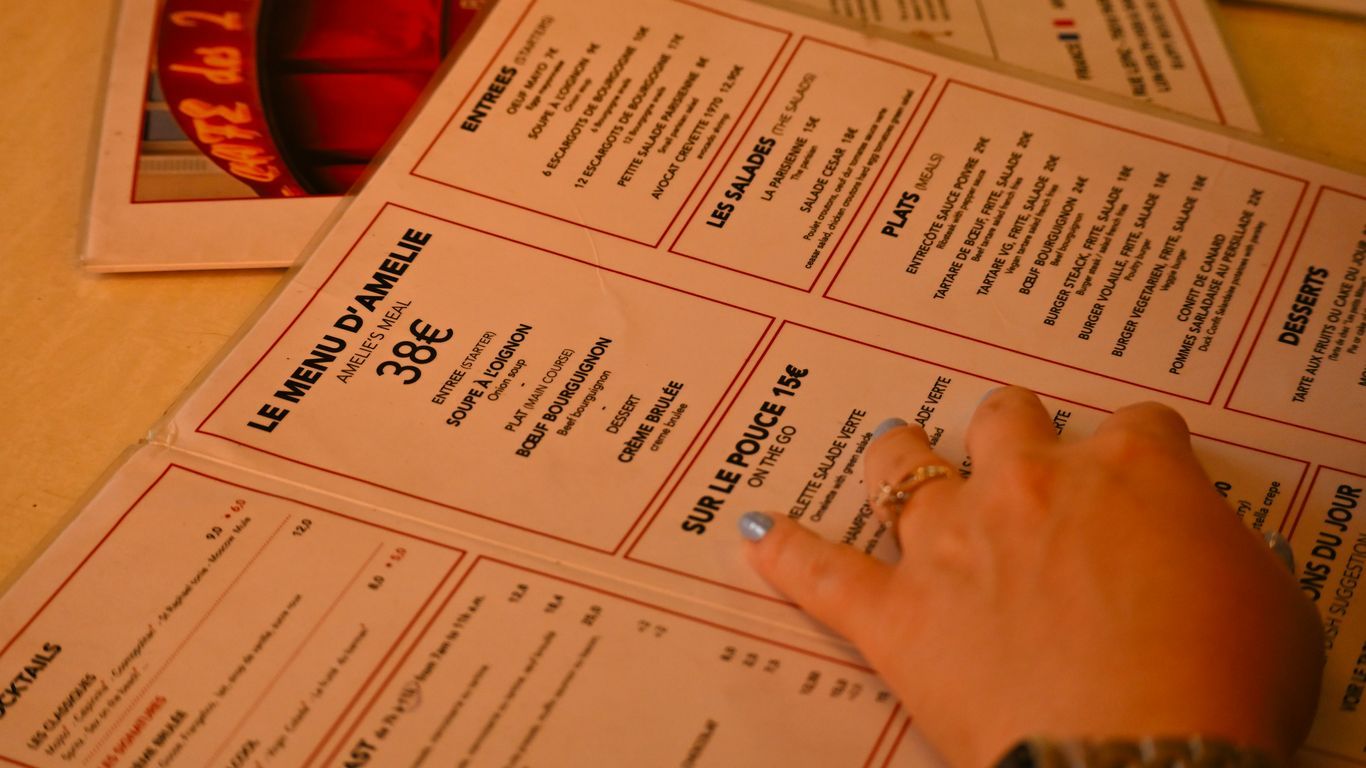
Opening a restaurant takes more than a fantastic menu and a killer location. Before you can even dream of serving that first meal, you have to work through a complex layer of official paperwork and permissions. Fortunately, lawyers who specialize in the restaurant world can make this entire process much more manageable.
Understanding Essential Permits for Operation
Getting the right permits is your first major hurdle. You’ll almost certainly need a general business license from your city or county, which is the basic green light to operate. Then comes the food service establishment permit, typically from the local health department; this one’s all about proving your kitchen and food handling practices are up to code. Planning to serve alcohol? A liquor license is a whole separate—and often complicated—journey involving both state and local authorities. You also can’t forget about food handler permits for your team, as anyone touching food needs certification. Even something as simple as your outdoor sign might require its own permit. Missing just one of these can lead to steep fines or, even worse, a temporary shutdown.
Guidance Through Application Processes
Each permit and license comes with its own unique application, a specific set of requirements, and its own fee. A lawyer can guide you in filling out these forms with precision, which is critical because even small mistakes can lead to delays or outright rejections. They have a deep understanding of local regulations and can help you compile all the necessary documents, from floor plans to training certifications. This support is especially valuable for liquor licenses, which are notorious for their lengthy and detailed applications. They can also provide counsel on zoning laws, ensuring your chosen spot is actually zoned for a restaurant in the first place.
Ensuring Legal Compliance for Opening Doors
Compliance doesn’t stop once you have the permits in hand; it's an ongoing commitment to upholding the rules they represent. Many of these permits need to be renewed every year or two. Lawyers often help establish systems to track these renewal dates so nothing slips through the cracks. They also work to ensure your daily operations are in full compliance with health codes, food safety standards, and labor laws. This covers everything from proper food storage temperatures to employee training schedules and sanitation protocols. A huge part of this is being prepared for health inspections, both the ones you know about and the surprise visits. It's all about building a rock-solid legal foundation so your business can thrive from day one.
Securing Your Business Through Robust Contracts
Think of contracts as the very architecture of your restaurant's operations. They aren't just dry legal documents; they are fundamental agreements that define expectations and safeguard your interests with every partner, vendor, and employee. Putting well-crafted contracts in place from the start can prevent a world of future headaches and keep your business running like a well-oiled machine.
Drafting and Reviewing Critical Lease Agreements
Your lease is easily one of the most important contracts you'll ever sign as a restaurant owner. It’s about so much more than just the monthly rent. A lawyer will meticulously examine terms that could affect your daily operations and your vision for the future. What does that mean, exactly? They'll look at how rent might increase, who is on the hook for renovations, and whether any restrictions exist on your type of business. They also scrutinize clauses that could prevent a direct competitor from setting up shop next door—a common and vital protection for restaurants.
- Rent Escalation: Knowing how and when your rent will go up is crucial for long-term budgeting.
- Improvement Responsibilities: Clarifying who pays for the space fit-out can save you from major unexpected costs.
- Use Clauses: You must ensure the lease explicitly permits your specific restaurant concept and operations.
- Exclusivity Provisions: Keeping direct competitors out of the same complex can be a lifesaver for your market share.
A lawyer's review of your lease can uncover hidden liabilities or operational roadblocks that a business owner, focused on food and service, might easily overlook.
Negotiating Terms With Suppliers and Vendors
Consistent, reliable suppliers are the lifeblood of any restaurant. Your contracts with vendors—for everything from fresh produce to your cleaning service—need to be crystal clear. These agreements should specify the exact quality standards of the goods or services you’re buying. They also need to lock down delivery schedules, spell out what happens if a delivery is late or wrong, and define the payment terms. Having all this in writing leaves very little room for misinterpretation about what you're paying for and what you should get in return.
| Contract Feature | Why It Matters |
|---|---|
| Quality Specifications | Helps you avoid arguments over product standards. |
| Delivery Details | Guarantees you get fresh ingredients on time. |
| Return/Rejection Process | Protects you from being stuck with subpar goods. |
| Pricing & Payment Terms | Prevents surprise cost hikes and clarifies billing. |
| Contract Duration | Brings much-needed stability to your supply chain. |
Establishing Clear Employment Agreements
For your team, from the chefs in the back to the servers out front, unambiguous employment agreements are essential. These documents lay out the terms of employment, including specific job duties, pay rates, benefits, and hours. They also establish clear procedures for disciplinary action and termination. For your most crucial employees, these agreements might also include non-competition or confidentiality clauses, which are designed to protect your restaurant's unique recipes and business practices.
- Job Description: Clearly defines roles, responsibilities, and performance expectations.
- Compensation and Benefits: Details salary, wages, tip policies, and any other perks.
- Termination Procedures: Specifies notice periods and the grounds for ending employment.
- Confidentiality: Protects your sensitive business information from being shared outside the company.
Mitigating Risks and Managing Liability
Operating a restaurant means you're constantly on the lookout for potential issues. It's a fast-paced environment where things can go wrong in an instant. Lawyers help owners anticipate these risks before they balloon into serious problems, offering advice on how to prevent accidents and prepare for the unexpected.
Identifying and Addressing Operational Risks
A restaurant is a hub of activity. Unfortunately, accidents like a customer slip-and-fall or a kitchen fire can quickly lead to legal complications. Lawyers help owners perform a thorough review of these common risks and implement strategies to reduce the likelihood of them happening. This process often includes:
- Performing regular safety audits to identify potential hazards.
- Ensuring staff are properly trained on equipment use and food handling protocols.
- Maintaining detailed records of any incidents and confirming they are addressed properly.
This kind of proactive diligence protects not only your customers but also the long-term health of your business.
Evaluating Insurance Coverage and Needs
Insurance policies can be notoriously difficult to decipher, and many owners are left wondering if they truly have adequate coverage. A legal advisor can review your current policies to spot any potential gaps—which helps ensure your restaurant is better prepared should a crisis occur. Some of the insurance types they frequently review include:
| Insurance Type | Common Risks Covered |
|---|---|
| General Liability | Covers customer injuries and property damage. |
| Workers’ Compensation | Protects against staff injuries on the job. |
| Property Insurance | Safeguards against fire, theft, or equipment failure. |
| Liquor Liability | Addresses incidents related to alcohol service. |
Developing Internal Policies and Procedures
Having clear, written rules is one of the most effective ways to head off legal claims. Lawyers assist owners in drafting these policies and making sure the entire team understands them. Key areas typically covered are:
- Strict food safety and hygiene standards.
- Policies on professional workplace conduct and harassment prevention.
- Procedures for handling customer complaints or on-site incidents.
When your staff knows exactly what is expected of them, they are far less likely to make mistakes that could create legal trouble for the business.
Taking that little bit of extra time now to review safety protocols or an insurance policy can save you an immense amount of trouble later on. Being prepared makes any unexpected event much more manageable.
Protecting Your Brand and Intellectual Property
Your restaurant's name, its logo, and even your signature recipes are so much more than just business details; they are priceless assets that distinguish you from the competition. Protecting these elements—what's known as intellectual property (IP)—is absolutely essential for securing your market position and stopping others from capitalizing on your creativity and hard work. Legal counsel can walk you through every step to safeguard these vital components of your brand.
Registering Trademarks for Name and Logo
Think of your restaurant’s name and logo as its public face. Trademarks provide legal protection for these unique signs, symbols, or phrases that identify your business. Without a registered trademark, it becomes incredibly difficult to prevent competitors from using similar branding, which can easily confuse your customers and water down your brand's impact. Lawyers help identify which elements of your brand are eligible for a trademark and then handle the entire application process with the U.S. Patent and Trademark Office (USPTO). This official registration gives you exclusive rights to use your mark across the country—a powerful foundation for your brand identity.
Implementing Confidentiality Agreements
As your restaurant thrives, you'll inevitably share proprietary information—like unique recipes, operational secrets, or marketing plans—with employees, vendors, and maybe even potential investors. A confidentiality agreement, often called a non-disclosure agreement (NDA), is a legal contract that obligates people to keep this sensitive information under wraps. This is especially crucial for trade secrets that give your restaurant a distinct competitive advantage. Lawyers can draft robust NDAs that cover specific information and clearly define the responsibilities of everyone involved, helping you prevent the unauthorized use of your business's most valuable secrets.
Taking Action Against Brand Infringement
Even with the best protections in place, you might find another business using your name, logo, or other protected IP without your permission. This is called brand infringement, and it can do real damage to your reputation and bottom line. When this happens, your legal representative can take swift, decisive action. This could start with a formal cease and desist letter, move to a negotiated settlement, or, if needed, escalate to a lawsuit to defend your rights. Early intervention is always the key to minimizing the damage and reasserting control over your brand assets.
Resolving Disputes and Handling Litigation
Even with meticulous planning, disagreements and legal troubles can still surface in the restaurant world. When conversations sour or conflicts escalate, having legal counsel becomes essential for navigating a path toward resolution.
Addressing Contractual Disagreements
Restaurants constantly interact with suppliers and landlords, and sometimes, those relationships hit a rough patch. Maybe it's a chronic issue with late deliveries from a supplier or a disagreement over who's responsible for repairs with a landlord. A lawyer can analyze your contracts to clarify each party's obligations. From there, they can communicate with the other side to negotiate a fair solution. Often, a guided mediation or arbitration can be a much better route than a full-blown court case.
Here are a few common contractual issues where legal help is invaluable:
- Supplier Issues: Persistent late deliveries, incorrect orders, or quality control problems. A lawyer can review your agreements and help negotiate a remedy or compensation.
- Landlord Disputes: Conflicts over lease terms, necessary repairs, or sudden rent hikes. Legal advice can illuminate your rights and guide your next steps.
- Service Agreements: Disagreements with vendors for services like equipment maintenance or cleaning. A lawyer can interpret the contract and advocate for your interests.
It's almost always more cost-effective and far less stressful to resolve disputes through negotiation or mediation before they snowball into formal legal battles.
Managing Partnership and Ownership Conflicts
Few things can damage a business faster than disagreements between partners or co-owners. A lawyer can provide critical support by:
- Reviewing or helping draft partnership agreements that clearly define roles, responsibilities, and profit-sharing.
- Establishing clear procedures for a partner buyout or an exit strategy, which can prevent major conflicts down the road.
- Serving as a neutral third party to mediate tense discussions, keeping the focus on finding workable solutions rather than fueling emotions.
Representing Restaurants in Court Proceedings
If a dispute simply cannot be resolved outside of court, litigation might become unavoidable. A lawyer will guide you through this complex process, which involves:
- Collecting all the necessary evidence—contracts, emails, financial records—to build a strong case.
- Developing a cohesive legal strategy, whether you're initiating the lawsuit or defending against one.
- Representing your restaurant's interests in all court hearings, depositions, and settlement negotiations.
Seeking legal advice at the first sign of trouble can often stop minor issues from turning into major legal showdowns. By getting a lawyer involved early, you can better protect your restaurant and work toward a resolution that lets you get back to business.
Supporting Day-to-Day Operations and Compliance
Running a restaurant involves juggling countless small details every single day. It goes far beyond the menu; it's about ensuring everything operates smoothly and legally, from open to close. This is where having a lawyer who truly understands the restaurant industry can prevent minor issues from becoming major complications.
Providing On-Going Compliance Updates
The laws and regulations governing restaurants are constantly evolving, sometimes with little warning. Your local municipality might update its health codes or change how permits are handled. A lawyer keeps you ahead of these shifts. They monitor updates to food service laws at every level—local, state, and federal—and then translate what those changes mean for your business. They can also review your current procedures to make sure you're not unknowingly out of compliance. Staying current with the rules helps you dodge fines and keep your doors open without interruption.
Assisting With Regulatory Changes and Inspections
Few things make a restaurant owner more nervous than inspections and new regulations. A lawyer can help take the edge off that anxiety. They can assist in preparing your documentation ahead of an inspection and might even conduct a walk-through to flag potential problem areas. If an inspection does uncover an issue, your lawyer can help you formulate a proper and effective response. It’s always easier—and cheaper—to address things proactively than to deal with the consequences after the fact.
Advising on Customer Complaints and Liability Claims
Every so often, a customer might have a complaint, or an accident—like a slip and fall—could occur. These situations have the potential to escalate into bigger problems or even lawsuits. Your lawyer helps you prepare for these possibilities. They can assess how you handle customer complaints internally and review incident reports for potential legal risks. If a formal claim is made, they guide you in responding quickly and professionally, an approach that can often de-escalate the situation and prevent a lawsuit altogether.
Staying on top of daily legal matters isn't just about avoiding trouble; it's about building a more resilient and predictable business. Proactive legal support means fewer unwelcome surprises and more time to focus on what you do best.
Here’s a quick look at common daily challenges and how legal advice makes a difference:
- Negative Online Reviews: Guidance on how to respond both publicly and within legal bounds.
- On-Premises Accidents: Help with reviewing insurance coverage and managing potential claims.
- Employee Disputes: Assistance with conducting internal investigations and proper documentation.
- Health Code Issues: Advice on corrective actions and how to communicate with health authorities.
Regular legal check-ins can transform a small, nagging problem into a resolved issue. By staying informed and acting decisively, you protect both your business and its hard-earned reputation.
Facilitating Business Growth and Expansion
Assisting With Business Structuring and Incorporation
When you’re ready to grow your restaurant, how you've structured your business legally suddenly becomes a huge deal. It’s not just about taxes; it’s about how much personal risk you’re exposed to and your ability to attract investment. Lawyers can help you weigh the different options. For example, forming a Limited Liability Company (LLC) is a popular choice because it can shield your personal assets—like your home or savings—if the business runs into financial trouble. A corporation, on the other hand, might make it easier to secure larger investments, though it comes with more formal rules. And a partnership means sharing control, which has its own legal complexities. Choosing the right structure from the get-go can prevent a world of trouble as your business scales.
The legal framework you choose for your restaurant has a direct impact on your tax burden, your resilience during financial storms, and ultimately, your control over major business decisions.
Structuring for Expansion to New Locations
Opening a second location or even a small chain brings a whole new set of legal challenges. You’ll have to think about zoning laws in the new area, different local permits, and how to effectively manage staff across multiple sites. Lawyers help ensure you’re compliant with all the regulations for each new restaurant. This includes everything from reviewing new lease agreements and understanding local business ordinances to establishing consistent operational procedures that are effective everywhere. It's all about building a solid, repeatable foundation so that every new branch can thrive without legal setbacks.
Guidance on Franchise Development
Thinking about franchising your restaurant concept is a massive step, and it’s incredibly easy to get tangled in the web of paperwork and regulations. Franchise agreements are notoriously long and complex documents. A lawyer can help you decode the details about how your brand can be used, how royalties are structured, and what operational standards your franchisees must maintain. They can also help negotiate critical parts of the deal, like the length of the agreement, the franchisee's territory, and their specific obligations. Having a legal expert review these agreements is non-negotiable—it helps you spot hidden risks that could cause problems or cost you a fortune down the road.
Here's a glimpse at what's typically inside a franchise agreement:
- Licensing: Dictates how the franchisee is permitted to use your brand name, recipes, and overall concept.
- Fees and Royalties: Details the ongoing payments the franchisee is required to make to you.
- Operational Support: Outlines the training, marketing assistance, and supply chain rules you will provide.
- Termination Clauses: Explains the specific conditions under which either party can end the agreement. Getting legal advice before you sign any franchise agreement is absolutely critical to protect your brand and your business model.
Wrapping Up
Running a successful restaurant is about so much more than just serving fantastic food in a welcoming atmosphere. You're constantly juggling regulations, contracts, and business decisions that can get complicated in a hurry. This is precisely where a knowledgeable lawyer becomes an invaluable partner. They can help you cut through the red tape, ensure you're compliant with all the laws, and step in to resolve issues with landlords, suppliers, or even partners. Investing in legal advice early and often is one of the smartest moves you can make. It can save you money, reduce stress, and ultimately let you focus on what you're most passionate about: creating great food and growing your restaurant's future.
Frequently Asked Questions
Why should a restaurant owner consider hiring a lawyer?
Think of a lawyer as a key part of your business team. They help you navigate complex rules, avoid expensive mistakes, and solve problems before they escalate. Essentially, they provide a legal safety net so you can run your business with confidence.
How can a lawyer help with permits and licenses for my restaurant?
A lawyer can manage the entire process of getting the right permits and licenses to open and operate. They ensure all your applications are accurate and complete, helping you avoid the fines or delays that can come from missing a detail.
What can a lawyer do if I have a problem with my landlord or a supplier?
If you find yourself in a dispute with a landlord or supplier, a lawyer will review your contract, advocate on your behalf, and work to find a fair resolution. And if a reasonable agreement can’t be reached, they are prepared to represent your interests in court.
How do lawyers help protect my restaurant's name and recipes?
Lawyers can help you register your restaurant's name and logo as official trademarks. They also draft confidentiality agreements to legally protect your unique recipes and business methods, preventing others from using your hard-earned ideas without permission.
Can a lawyer assist if I want to open more locations or start franchising?
Yes, absolutely. A lawyer is crucial for strategic growth. They can structure franchise agreements, protect your brand identity across multiple locations, and ensure you're following all the necessary rules as you expand your business.
What is the first step if a customer makes a legal complaint against my restaurant?
The moment a customer files a formal complaint or claim, you should contact your lawyer immediately. They can help you assess the situation, communicate with the customer or their attorney, and build a strong defense for your business if it becomes necessary.


