
citiesabc, Wellbeing, Healthcare
Autism, or Autism Spectrum Disorder (ASD) and AI
21 Jan 2026

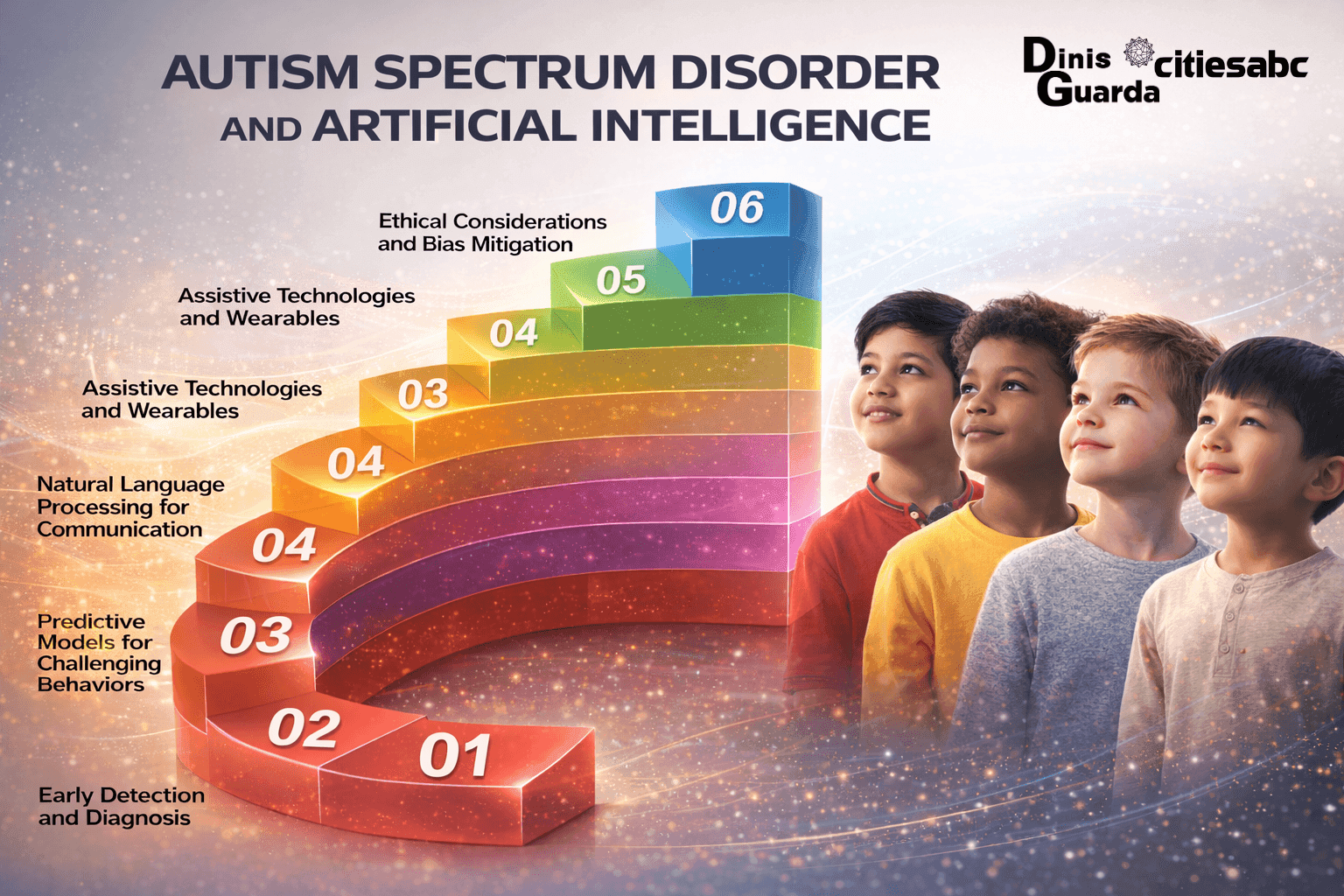
Something remarkable is happening in 2026. We're watching artificial intelligence, which is itself a form of thinking that operates completely differently from human cognition, become a powerful tool for understanding and supporting autistic individuals. There's an almost poetic irony here: we've built machines that can spot patterns in human behavior that we ourselves can't see.
These systems detect autism through facial expressions that last milliseconds, analyze infant cries for telltale acoustic signatures, and track eye movements during social interaction with precision no human observer could match. Two forms of non-typical intelligence, autistic human minds and artificial minds, are meeting and that collision is teaching us things about consciousness and perception we never understood before.
The Global Crisis of Recognition
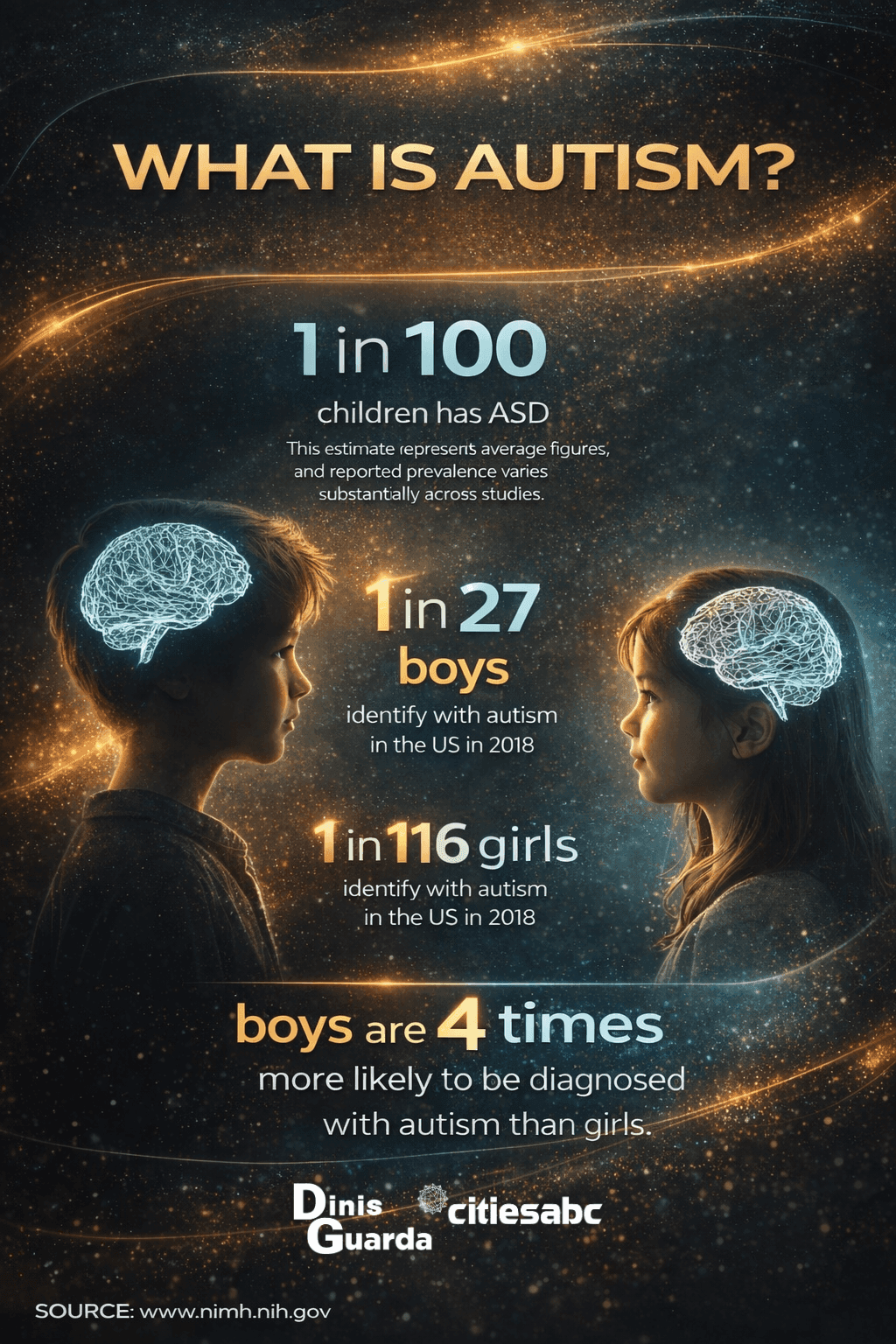
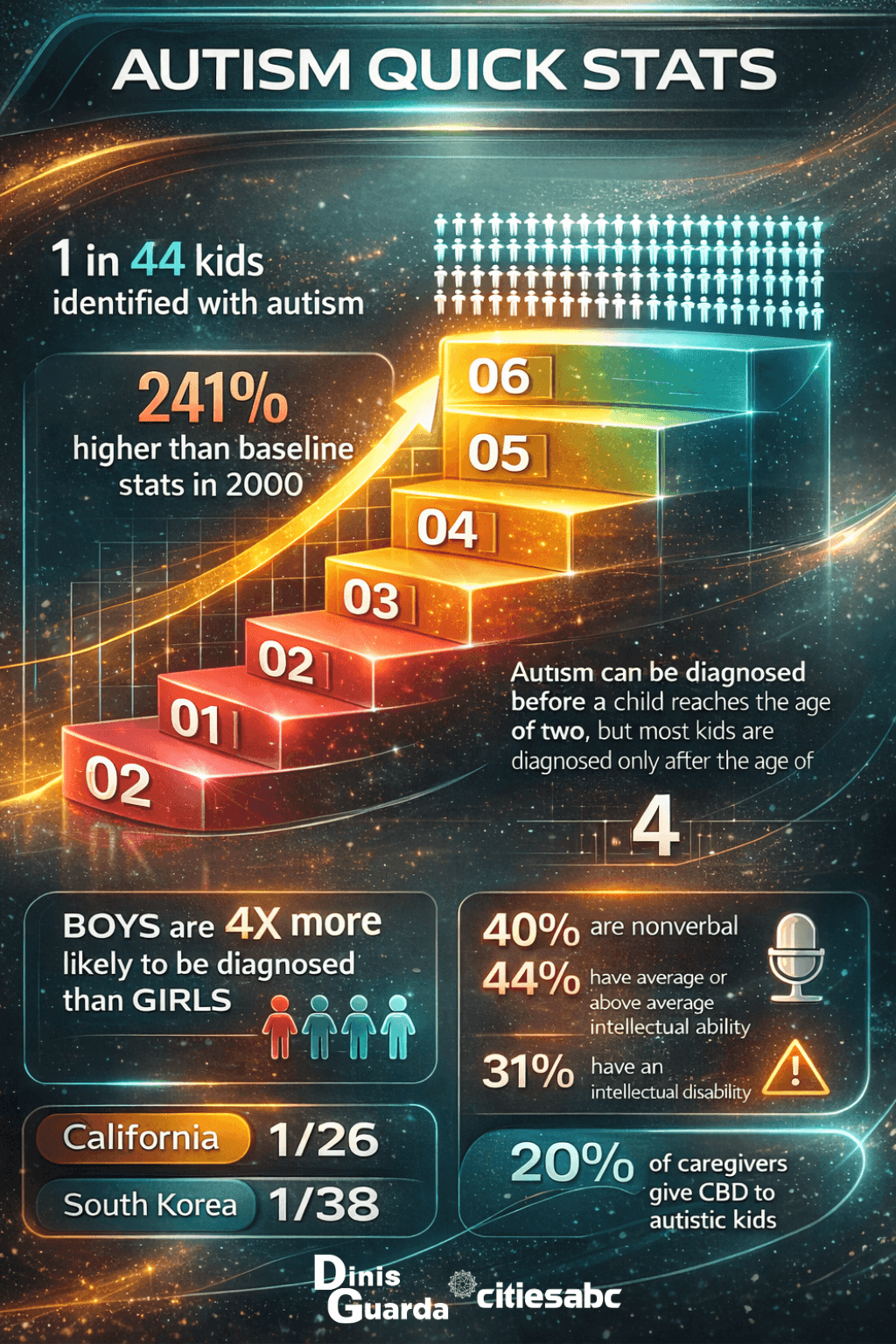
At least 61.8 million people worldwide, roughly 1 in 127, are autistic. Yet diagnostic delays often stretch past a year in many countries, which means children miss crucial early intervention during the years when their brains are most adaptable. The economic cost in the United States alone approaches $460 billion annually.
But the real cost is harder to measure. It's in the millions of autistic people navigating a world designed for brains that work differently than theirs, facing misunderstanding and isolation, hitting invisible barriers that keep them from showing what they're capable of.
In the United States, the CDC reported in 2025 that as many as 1 in 31 children, 3.2% of eight-year-olds, are identified with autism. Yet nearly two-thirds of autism specialty centers maintain waiting lists longer than four months, with approximately 15% experiencing waits exceeding a year or closing their waitlists entirely.
The United Kingdom faces an even starker crisis. At least 700,000 people are autistic, though the actual number could exceed 1.2 million when undiagnosed cases are included. As of March 2025, 224,382 patients in England had open referrals for suspected autism, with nearly 90% waiting longer than the recommended 13-week standard. Up to 90% of those aged 40 and above are estimated to be undiagnosed, a lost generation who have navigated life without understanding why they experience the world so differently.
Regional variations reveal stark inequalities. High-income Asia-Pacific nations report the highest rates: Brunei (1.65%), Singapore (1.38%), Japan (1.34-1.58%), and South Korea (1.28-2.64%). Meanwhile, regions like Bangladesh report just 0.58%, not due to biological differences, but because of limited diagnostic infrastructure.
Understanding the Spectrum
Autism Spectrum Disorder is characterised by differences in social communication, interaction patterns, sensory processing, and behavior. The spectrum metaphor is crucial: autism manifests across an extraordinary range, from non-speaking individuals requiring substantial daily support to highly verbal people who navigate social situations with practiced strategies but experience the world through fundamentally different perceptual frameworks.
Many autistic individuals face challenges understanding subtle social cues, interpreting non-verbal communication, and navigating unwritten social rules. Many report feeling as though neurotypical social interaction follows an invisible script they were never given. Deep focused interests, adherence to routines, and repetitive movements (stimming) aren't random behaviors but sophisticated coping mechanisms.
The sensory world of autism is radically different. An autistic person might hear the electrical hum of fluorescent lights as an unbearable cacophony or might need deep pressure input to feel grounded. Many autistic individuals excel at pattern recognition, systematic thinking, and sustained attention to detail, precisely the cognitive strengths that make them invaluable in fields requiring precision and depth.
The neurodiversity movement, championed by autistic self-advocates, reframes autism from a medical pathology to be cured into a natural variation in human neurology to be understood and accommodated. In this framework, autism is lifelong but not inherently tragic, it's a different operating system running on the hardware of the human brain, capable of extraordinary achievements when given appropriate support.
How AI Is Transforming Detection and Diagnosis
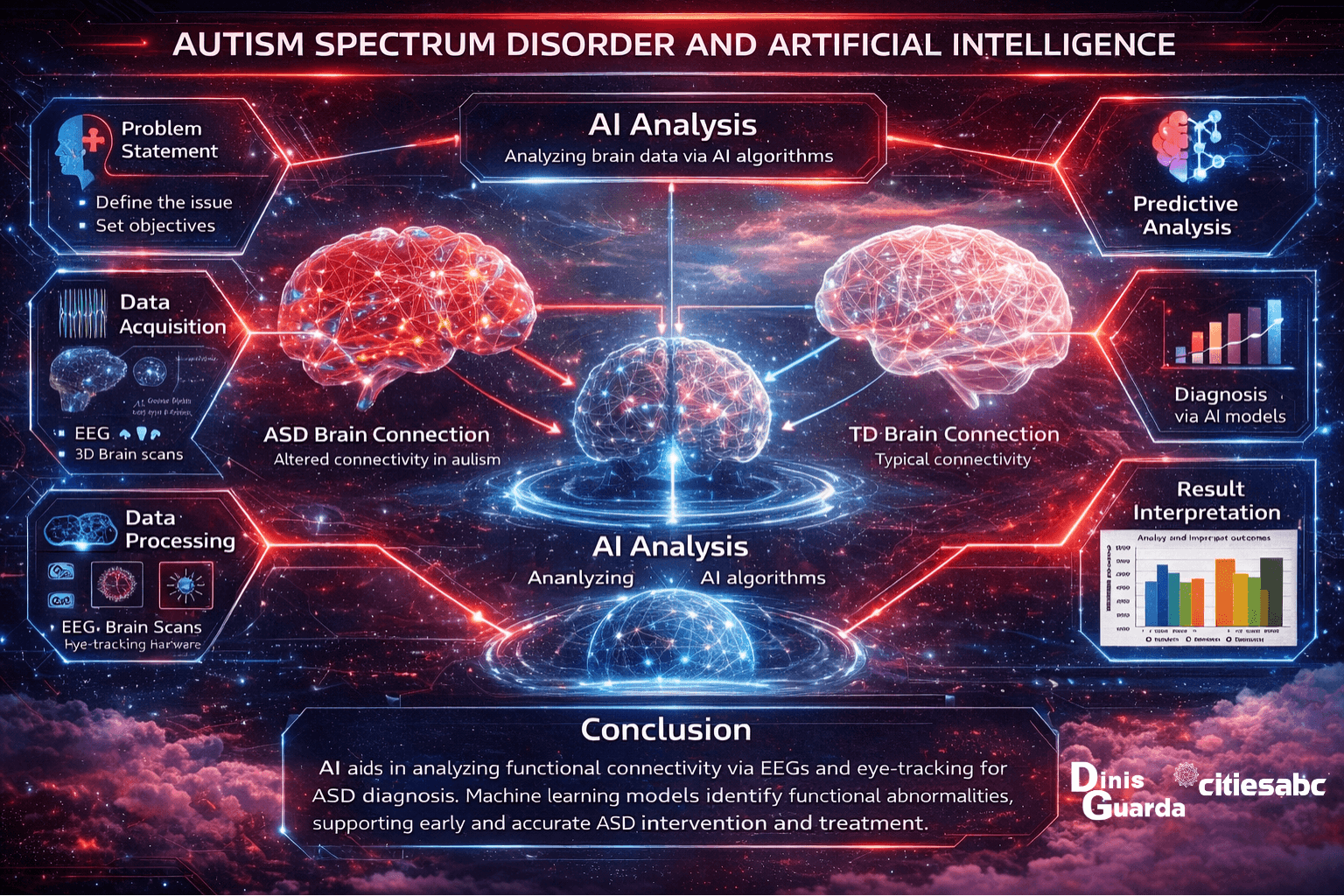
Traditional autism screening relies on subjective questionnaires and observational assessments requiring specialised clinical expertise and substantial time, resources chronically scarce in many healthcare systems. AI-enabled screening tools offer a paradigm shift.
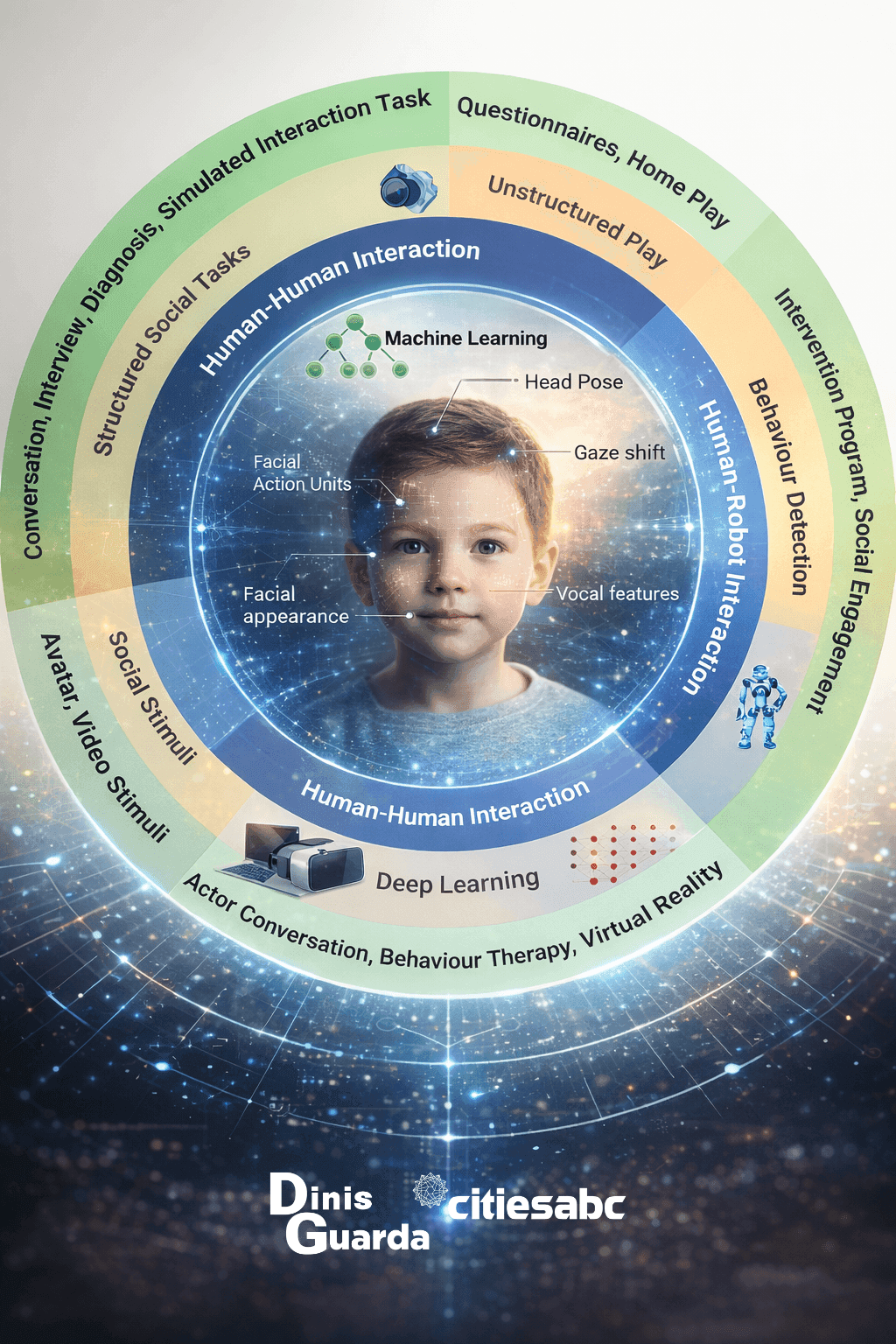
Eye-tracking technology identifies atypical gaze patterns during social interaction with diagnostic accuracies often exceeding 90%, rivaling traditional methods. These systems measure precisely where someone looks, for how long, and in what sequence during social scenarios, detecting subtle differences that escape human observation.
Acoustic analysis of infant cries represents a breakthrough. Research by Laguna and colleagues in 2025 demonstrated that deep learning analysis could screen for autism in early childhood by detecting distinctive cry patterns, pitch variations, duration, intensity modulations, potentially enabling screening before 12 months when conventional behavioral markers remain subtle.
Video-based classifiers analyse naturalistic home videos, identifying developmental red flags that parents and primary care physicians might overlook. These systems can process hours of footage from smartphones, tracking developmental trajectories and flagging concerns for clinical follow-up.
A comprehensive 2025 review found that multimodal integration, combining behavioral, physiological, and clinical data, significantly enhances predictive power compared to single-modality approaches. These technologies offer scalable solutions that could reduce waiting times and enable earlier identification in primary care and home settings.
For diagnosis, AI augments clinical assessment through multimodal analysis. Mohammadi and colleagues' 2025 scoping review demonstrated that AI systems extract diagnostic signals from facial expressions (detecting micro-expressions lasting fractions of a second), voice patterns (identifying prosodic anomalies and linguistic patterns), and text analysis of caregiver reports.
Critically, AI can track changes in social behaviors over time, documenting treatment responses with objective metrics rather than subjective impressions. A systematic review in The Lancet eBioMedicine found that AI algorithms extracting facial information during social interaction assessments support clinical evaluation with high diagnostic accuracy.
AI-Powered Interventions: Democratising Access
Traditional interventions like Applied Behavior Analysis and Social Skills Training are effective but require intensive, long-term engagement and specialised expertise, limiting accessibility. AI offers the potential to democratize access to evidence-based support.
Adaptive educational platforms provide personalised learning experiences that adjust difficulty in real-time based on student responses. Research by Kotsi and colleagues in 2025 found that autistic children often prefer engaging with technology due to its predictability and limited social demands, offering the individualisation that's theoretically ideal but practically impossible for human teachers managing entire classrooms.
Transformer-based models for social skills training represent a breakthrough. A 2025 study in Frontiers in Psychiatry introduced the Public Health-Driven Transformer (PHDT) model, providing scalable, adaptive, and interactive social skills training. These systems simulate social scenarios, provide immediate feedback, adjust difficulty based on performance and track progress across sessions.
The evidence is compelling. Atturu and colleagues conducted a 12-month observational study of the Cognitivebotics AI-based platform, published in JMIR Neurotechnology. Results showed significant improvements in standardised assessments across cognitive, social, and developmental domains when used as a supplement to conventional therapies.
- Social robots powered by AI serve as social partners for autistic children, providing structured, predictable interactions that build confidence before transferring skills to human relationships. These robots don't replace human interaction, they scaffold it, offering practice without judgment or frustration.
- Wearable smart devices like AI-powered glasses provide real-time social cues, helping autistic individuals navigate complex situations by detecting emotional states or offering discrete prompts.
- Mobile applications with natural language processing transform smartphones into portable therapeutic tools, extending intervention beyond clinic walls into everyday life, precisely where autistic individuals need support most.
The Shadow Side: Critical Ethical Challenges
For all its promise, AI in autism care confronts profound ethical challenges that must be addressed.
Algorithmic Bias and Representation
Machine learning systems inherit biases embedded in their training data. If datasets predominantly feature white, male children from high-income countries, as many current autism datasets do, AI systems will perform poorly for females, ethnic minorities, and populations from low- and middle-income regions. This creates a cruel paradox: the populations most underserved by current diagnostic systems may be further marginalized by AI meant to improve access.
The probabilistic nature of machine learning places minorities at a structural disadvantage. Outlier data—individuals whose presentations deviate from the majority, are often treated as "noise." AI developers typically prioritize overall statistical accuracy over capturing autism's diverse presentations, sacrificing nuance for aggregate performance. A system that's 95% accurate overall might be only 60% accurate for girls, or for children from non-Western cultures, or for adults who've learned to mask their traits.
Privacy, Consent and Autonomy
AI systems analysing facial expressions, voice patterns and behavioral data collect extraordinarily sensitive information about individuals, often children, who may not fully comprehend what's being gathered or how it will be used. Cloud-based AI systems introduce cybersecurity vulnerabilities. Data breaches could expose intimate details of autistic individuals' lives, creating risks of discrimination in employment, insurance, and social relationships.
As Sohn and colleagues argue in their 2025 Frontiers in Psychiatry review, generative AI amplifies long-standing ethical challenges, fairness, privacy, informed consent, while introducing novel threats like hallucinated content and bias amplification.
The Black Box Problem
Many advanced AI systems, particularly deep neural networks, function as “black boxes”, producing accurate predictions without comprehensible explanations. If an AI system suggests a child is autistic, clinicians and families deserve to understand what specific patterns triggered that conclusion. The lack of explainability hinders trust. As public confidence in conversational AI has declined to just 25% of Americans as of 2025, transparency becomes a practical necessity for adoption.
Equity and Access
Advanced AI systems require computational infrastructure, internet connectivity and technical expertise unevenly distributed globally. High-income nations may leap forward while low- and middle-income countries, where the majority of autistic people live, are left further behind. This raises fundamental questions: Are we creating a two-tiered system where the wealthy receive cutting-edge AI-assisted care while others struggle to access basic services?
The Human Element
Perhaps the most profound limitation is philosophical: AI cannot replace the human relationship at the heart of therapeutic care. Autism support requires empathy, flexibility and the capacity to honor individual dignity, qualities that remain distinctly human. As researchers note, deficits in emotional support may impede AI-based interventions' effectiveness, particularly for individuals requiring empathetic connection.
The Path Forward: Embedded Ethics
The solution requires an “embedded-ethics interface”, continuous collaboration among clinicians defining therapeutic goals, engineers translating requirements into algorithms, clinical ethicists conducting real-time risk audits and crucially, autistic individuals and caregivers contributing lived-experience feedback.
This partnership ensures technological innovation remains grounded in human values, patient safety, and social equity. It means building ethics into development from the beginning, testing AI systems on diverse populations before deployment, transparent reporting of limitations and failures, and prioritizing accessibility and equity over just technical performance.
Each Human Being Is Humanity
When we develop AI systems to understand autistic cognition, we develop systems to understand human cognition in all its magnificent diversity. When we create technologies to support autistic flourishing, we acknowledge and celebrate neurodiversity as fundamental to the human condition.
Autism touches at least 61.8 million lives globally and through families, communities, and cultural impact, touches billions more. Beneath the statistics lies an ocean of human potential: autistic scientists making breakthrough discoveries, autistic artists creating transcendent beauty, autistic individuals simply living their lives with dignity and purpose.
AI can help unlock this potential by reducing diagnostic delays, personalising interventions, and creating accommodating environments where autistic people can thrive as themselves. But it can only do so if we build these systems with wisdom, ethics, and an unwavering commitment to justice.
The question in 2026 is not whether AI can transform autism care, the evidence shows it already has. The question is whether we possess the wisdom and collective will to ensure that transformation serves justice, equity, and the flourishing of every human mind.
Will we build AI systems that perpetuate existing biases or expand access to underserved populations? Will we prioritise privacy and autonomy or sacrifice them for performance? Will we create two-tiered care or democratise support? Will we replace human connection with algorithms or use technology to strengthen therapeutic relationships?
The autistic spectrum is the human spectrum. In understanding one, we illuminate the other. In supporting one, we elevate us all. This is the promise of AI in autism, not to fix what is broken, for nothing is broken, but to reveal what has always been present: the infinite, magnificent diversity of human consciousness seeking recognition, understanding, and the chance to contribute its unique gifts to civilization.
Each autistic person is not merely a part of humanity, they are humanity itself, whole and complete, experiencing existence through a lens that differs from the majority but remains no less valid, no less valuable, no less worthy of celebration and support.


