
resources
Explore Texas Maps with Cities: Your Guide to the Lone Star State
10 Jan 2026

Texas is an expansive state, and understanding its geography—where everything is located, for instance—can initially seem quite daunting. This is precisely where comprehensive Texas maps, particularly those detailing cities, prove invaluable. Whether your objective is to plan an extensive road trip, pinpoint a specific town, or simply gain a better appreciation for the state's layout, the right map makes an undeniable difference. Here, we'll delve into the distinctive aspects of the Texas landscape and highlight some of the principal cities you'll certainly want to familiarize yourself with.
Key Takeaways
- Texas encompasses diverse terrains, ranging from the flat coastal plains to rolling hills and more rugged mountainous regions.
- Major urban centers such as Houston, Dallas, and San Antonio play crucial roles in the state's business, cultural, and historical narratives.
- Austin is renowned for its vibrant live music scene and innovative spirit, while Fort Worth is celebrated for its authentic cowboy culture, and El Paso for its unique border influences and dramatic desert vistas.
- A variety of map formats are available, including robust laminated city maps, exhaustive street atlases, and conveniently portable pocket maps.
- Specialized maps offer detailed insights into road networks, hiking trails, prime fishing locations, and intricate topographical features.
Understanding the Texas Map Landscape
Navigating Texas's Vast Expanse
Texas is an undeniably vast expanse, isn't it? Attempting to orient oneself using a map can, at times, feel like piecing together an intricate puzzle. This is why possessing a reliable map of Texas, especially one that delineates its major cities, proves exceptionally beneficial. Whether you're charting an ambitious road trip, seeking a particular locale, or simply aiming to grasp the state's overall composition, the appropriate map significantly enhances the experience. We'll explore what makes the Texas landscape so distinctive and introduce some of the pivotal places you'll encounter on your mapping journey.
Key Geographical Features and Urban Centers
Texas is far from geographically uniform; instead, it presents a rich tapestry of environments. One finds flat, often humid, areas along the coast, which gradually transition into rolling hills and expansive grasslands as one moves inland. Further west, the terrain becomes notably mountainous. These varied regions are more than just picturesque scenery; they fundamentally influence everything from local weather patterns and agricultural viability to the very lifestyles of their inhabitants.
The sheer size of Texas means you'll find a wide variety of landscapes within its borders.
Here's a concise overview of some major geographical areas:
- Gulf Coastal Plains: Situated along the coast, this region is predominantly flat and humid. It hosts significant cities like Houston, alongside scenic beaches and extensive marshes.
- Interior Lowlands: Progressing inland, the topography begins to undulate more gently. This area is particularly conducive to farming and ranching activities.
- Great Plains: Visualize immense, open spaces, boundless skies, and a scarcity of trees. This region is characterized by its arid conditions.
- Basin and Range Province: This rugged section in the far west features dramatic mountains and valleys, presenting a stark contrast to the state's other areas.
These distinct regions are home to Texas's principal cities, which serve as vital hubs for commerce, culture, and historical preservation. Locations such as Houston, Dallas, and San Antonio are key points you'll certainly want to identify on any comprehensive Texas map.
Understanding these diverse geographical zones helps illuminate why Texas boasts such a rich tapestry of cities and cultures. It's truly not a flat, unchanging state; rather, it's a place defined by distinct regions that profoundly shape its unique identity—a fascinating study in contrasts.
Distinctive City Personalities on the Map
When you consult a map of Texas, you'll quickly discern that its cities are far from homogeneous. Each possesses its own unique character, its own pulse. One finds the bustling, expansive metropolises, yet also cities that steadfastly preserve their history or offer something entirely unparalleled. Austin, for instance, is globally recognized for its vibrant live music and burgeoning tech sector, while Fort Worth unequivocally embraces its rich Western heritage. El Paso, strategically positioned right on the border, boasts a culture all its own. Even within the larger urban centers like Houston or Dallas, you'll uncover diverse neighborhoods and districts that impart distinct personalities. A well-designed map, then, can begin to reveal these nuances, not merely indicating where cities are, but subtly hinting at their very essence.
Exploring Major Texas Cities on Maps
Houston: The Energy and Space Capital
Upon examining a map of Texas, Houston immediately stands out—it's truly immense and unmistakable. This sprawling metropolis is chiefly recognized for two monumental industries: energy and space exploration. Indeed, NASA's Johnson Space Center calls this city home. Maps of Houston will graphically illustrate its extensive footprint, highlighting the intricate network of major highways that interconnect its various sectors. You'll observe distinct zones marked, such as the renowned Museum District and the bustling downtown business core. Furthermore, Houston is a melting pot of diverse cultures, an aspect not immediately visible through street names alone, but undeniably integral to the city's dynamic character.
Dallas: A Hub for Business and Culture
Dallas holds another prominent position on the Texas map, widely regarded as the state's premier business and financial hub. When tracing its location on a map, one notices its pivotal role within the broader network of cities in North Texas. Dallas is celebrated for its striking modern skyline and its significant contributions to commerce. Yet, it's not solely focused on enterprise; the city also cultivates a robust cultural scene, complete with world-class museums and sophisticated performing arts venues. Maps of Dallas typically underscore its highly efficient transportation infrastructure, including its major international airport, a critical asset for both travel and business.
San Antonio: Rich in History and Heritage
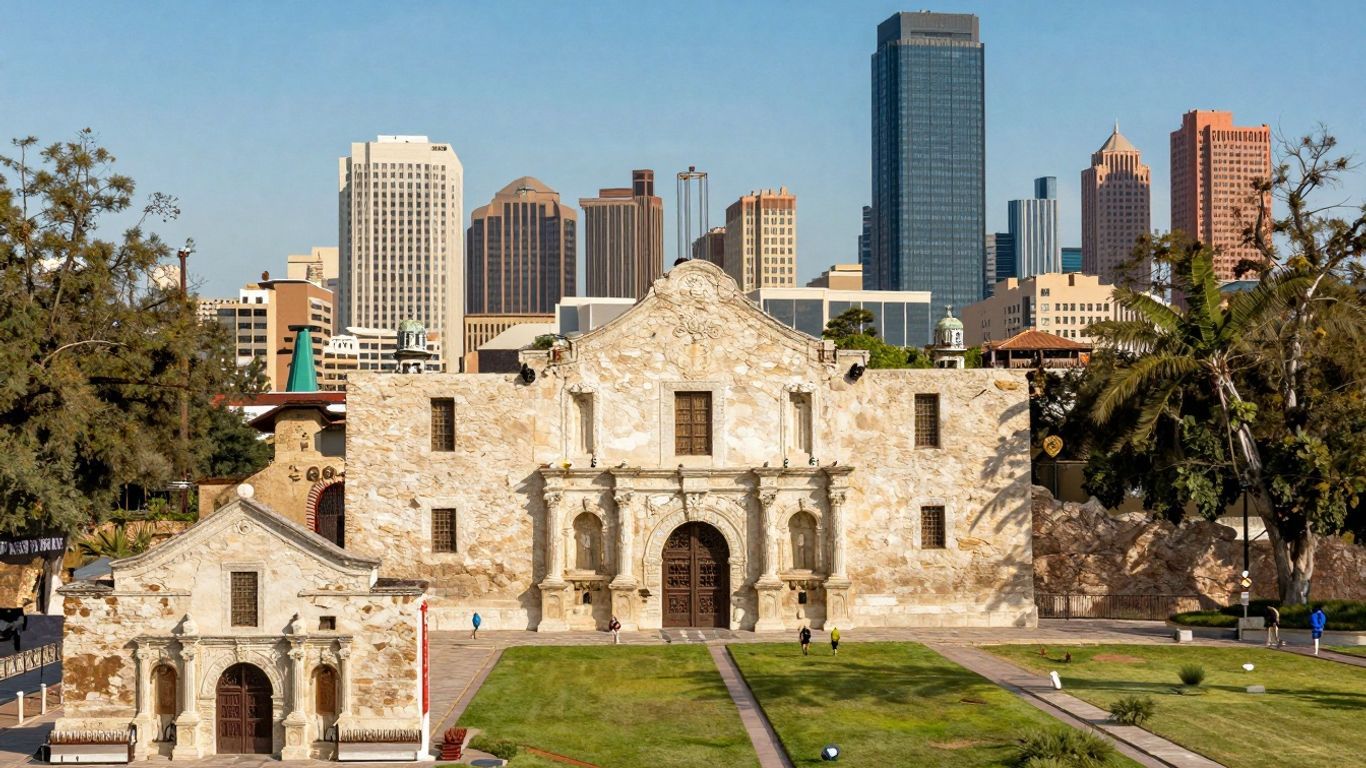
San Antonio presents a distinctly different ambiance when viewed on a map. This is a city deeply imbued with history, famously known for the Alamo and its profound Spanish colonial legacy. The iconic San Antonio River Walk is a unique feature prominently displayed on many maps, illustrating its charming network of pedestrian pathways along the river. Compared to the contemporary feel of Dallas or the sheer scale of Houston, San Antonio feels—and is—older, more traditional in many respects. Maps of this historic city frequently emphasize its numerous heritage sites and the appealing, walkable districts that captivate so many visitors.
Unique City Profiles in Texas
Texas is a state that truly champions individuality, and its cities are certainly no exception. While Houston, Dallas, and San Antonio often garner the lion's share of attention, there are numerous other locales on the map that offer something distinctly different—a touch more specialized, perhaps. Let's delve into a few of these unique Texas personalities.
Austin: Live Music and Innovation
Austin, the state capital, positively pulses with a palpable energy. It proudly bears the title of the "Live Music Capital of the World," and it genuinely lives up to that esteemed designation. One can discover live music performances almost any night of the week, across a spectrum of venues from intimate bars to grand arenas. Beyond its melodic reputation, Austin has also emerged as a significant hub for technology and startups. It's a place where creativity seems to flow as freely as the music—and the food scene is equally dynamic, boasting a proliferation of food trucks and restaurants serving an astonishing array of culinary delights.
- Live Music: Countless venues, ranging from intimate bars to expansive arenas.
- Tech Industry: Home to numerous major technology companies and innovative startups.
- Food Scene: Exceptionally diverse and forward-thinking, with a particularly robust food truck culture.
Austin embodies a singular vibe that masterfully blends a relaxed, easygoing attitude with a decidedly forward-thinking approach to both business and culture—a truly captivating duality.
Fort Worth: Western Heritage and Arts
Just a short drive from Dallas, Fort Worth often feels like stepping into an entirely different era. This is where visitors can truly immerse themselves in the essence of old Texas. The historic Stockyards are an absolute must-see; here, you can witness an authentic cattle drive, experience a thrilling rodeo, and simply absorb the quintessential cowboy atmosphere. However, Fort Worth's appeal extends far beyond its Wild West roots. The city also boasts a surprisingly sophisticated arts scene, featuring world-class institutions such as the Kimbell Art Museum and the Modern Art Museum of Fort Worth. It's a community that respectfully honors its foundational heritage while simultaneously embracing contemporary culture.
| Aspect | Description |
|---|---|
| Heritage | Authentic Western experiences, including the iconic Stockyards |
| Arts | Renowned art museums and vibrant cultural districts |
| Atmosphere | Friendly, traditional, yet with a distinct modern touch |
El Paso: Border Culture and Desert Views
Far to the west, where Texas converges with New Mexico and indeed Mexico itself, lies El Paso. This city offers a truly fascinating confluence of cultures; the indelible influence of its border location is evident everywhere, from its distinctive culinary landscape to its unique architectural styles. The majestic Franklin Mountains dramatically ascend directly from the city, providing breathtaking vistas and ample opportunities for outdoor pursuits. El Paso possesses a singular desert charm that is unparalleled elsewhere in Texas. It's a destination that feels both comfortingly familiar and delightfully exotic—a genuine crossroads of identities.
- Cultural Blend: A rich tapestry of strong Mexican and American influences.
- Natural Beauty: Spectacular desert landscapes complemented by striking mountain views.
- Outdoor Activities: Abundant opportunities for hiking, biking, and exploring the surrounding terrain.
These cities, each with its own distinct flavor, collectively contribute incredible depth and character to the vast Texas map.
Essential Road and Highway Information
Interstate and U.S. Highway Networks
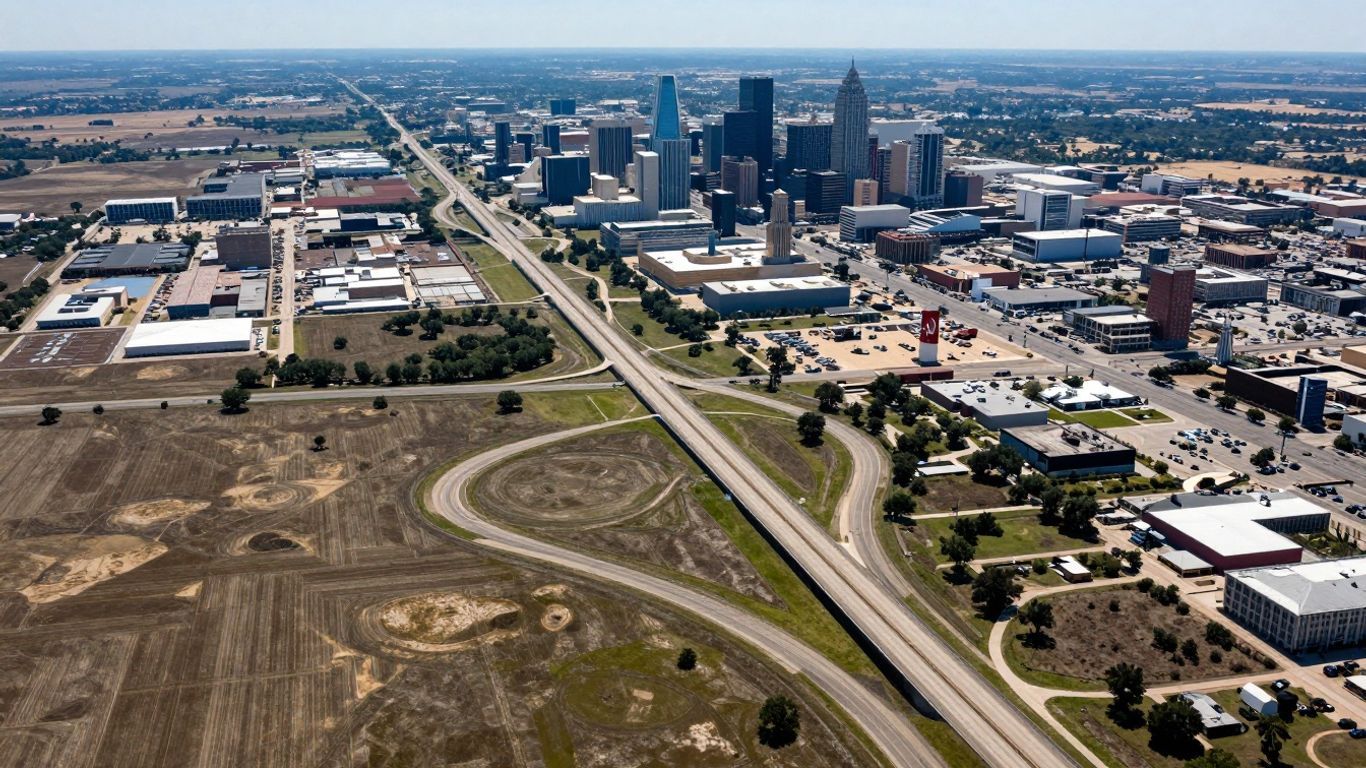
Texas, being the second-largest state, relies immensely on its extensive road infrastructure for connectivity. The Interstate Highway System, easily identifiable by its familiar white and blue shields, serves as your primary navigational tool. These crucial arteries not only link all the major cities within Texas but also connect the state seamlessly to the rest of the nation. For instance, you'll find I-10 traversing east and west across the southern part of the state, I-35 extending north and south through its central corridor—touching key cities like Austin, Dallas, and San Antonio—and I-45 directly connecting Houston and Dallas. Beyond the Interstates, U.S. Highways, typically marked with white shields, are indispensable for regional travel and often provide access to smaller towns that the Interstates might bypass. These roads truly form the backbone of any Texan road trip.
Detailed Road Maps for Comprehensive Travel
When you're planning an excursion, especially if your aim is to explore beyond the major metropolitan areas, a good road map becomes an absolute essential. These maps offer much more than just the primary highways; they frequently incorporate:
- Secondary thoroughfares, such such as county roads and the renowned farm-to-market (FM) roads, which can lead you to some genuinely fascinating local gems.
- Township and Range grids, which are immensely helpful for pinpointing precise locations within rural settings.
- Diverse points of interest, including state parks, historical markers, and various local attractions.
- Valuable information regarding elevation changes, which can be particularly useful for understanding the terrain you'll encounter.
Maps are far more than mere lines on paper; they represent your veritable passport to uncovering the hidden corners of Texas. They help you truly grasp the immense scale of the state and confidently plan your journey, whether you're destined for a bustling major city or a serene, remote natural area. After all, isn't a little preparation worth its weight in gold?
Mileage Charts and Points of Interest
Many Texas maps come equipped with supplementary features designed to streamline your planning. Mileage charts, for example, are exceptionally useful for estimating travel times between cities, providing approximate driving distances between listed towns. Additionally, maps often utilize symbols to highlight interesting places. These might include national parks, museums, historical sites, or even popular local eateries. Paying close attention to these symbols can effortlessly transform a routine drive into a delightful exploration. It's always a prudent idea to carry a physical map, even if you typically rely on GPS. Cell service can be notoriously unreliable in certain parts of Texas, and a paper map, steadfast and battery-free, won't ever leave you stranded.
Specialty Maps for Texas Adventures
Beyond the well-trodden main roads and urban street grids, Texas harbors an entirely different dimension just waiting to be explored. For those eager to venture off the beaten path, there are specialized maps crafted precisely for such endeavors. Perhaps you're envisioning a day on the trails or hoping to cast a line in one of the state's countless lakes? These particular types of maps can dramatically enhance your planning for any outdoor expedition.
Recreation and Hiking Trail Maps
For enthusiasts of hiking or cycling, Texas truly offers an abundance of opportunities. You can readily find maps that meticulously detail trails within iconic locations like Big Bend National Park, or pathways that gracefully trace the courses of its numerous rivers. Some maps even delineate extensive bike routes that span the entire state. These specialized tools are indispensable for visualizing your potential routes and anticipating the kind of terrain you might encounter.
Fishing Maps for Prime Hotspots
If angling is more your preference, you're certainly in luck. Texas is blessed with a wealth of lakes and rivers, and dedicated fishing maps can expertly guide you to the most productive spots. They frequently include crucial details such as water depths, boat launch locations, and occasionally even list the species of fish commonly found in a particular area. It's almost like having a seasoned local expert right there beside you.
Topographic Maps for Terrain Detail
For an in-depth understanding of the land itself, topographic maps are unequivocally the best resource. These maps vividly illustrate changes in elevation, highlighting hills, valleys, and other natural features with remarkable clarity. They prove incredibly useful for serious hikers, geographers, or anyone who simply appreciates the intricate contours of the land. Such maps are available for every region of Texas, from the vast, flat Panhandle to the picturesque, rolling terrain of the Hill Country.
These specialized maps serve as your essential key to unlocking the wilder, more untamed side of Texas. They furnish granular details that conventional road maps simply cannot provide, empowering you to uncover hidden gems and meticulously plan your outdoor adventures with utmost confidence. Truly, why would you underestimate the profound benefit of arming yourself with the correct map when venturing into the great outdoors?
Here's a quick look at what these maps might highlight:
- Trailheads and Park Entrances: Clearly marked starting points for your hikes and explorations.
- Water Access Points: Identified locations for launching boats or gaining access to prime fishing areas.
- Elevation Contours: Distinct lines indicating changes in height on topographic maps, revealing the lay of the land.
- Points of Interest: Important natural landmarks or particularly scenic viewpoints.
Choosing the Right Texas Map Format
Texas is an expansive domain, and your intended mode of exploration significantly influences the optimal map choice. One certainly wouldn't use a minuscule pocket map to meticulously plan a multi-day cross-state road trip, would they? So, let's examine some of the widely available formats.
Durable Laminated City Maps
These maps are exceptionally well-suited for urban exploration—consider them your primary tool for navigating cityscapes. Typically printed on robust paper, they are then encapsulated with a protective plastic laminate. This design ensures they can withstand repeated folding and unfolding without tearing, and even allows for easy cleaning of spills or smudges. If you anticipate spending considerable time driving through Houston or Dallas, or perhaps exploring the diverse neighborhoods of Austin, a laminated city map is an exceedingly practical choice. They often feature clear street names, highlight major attractions, and sometimes even indicate public transportation routes.
Comprehensive Street Atlases
Should your needs dictate an view of every single street, alley, and cul-de-sac, then a street atlas is precisely what you require. These are essentially substantial books filled with highly detailed maps of specific geographic areas. They are invaluable when attempting to locate a very precise address or for engaging in detailed urban planning. You'll find that these atlases typically cover not only major cities but also their surrounding suburbs and smaller towns. While they can be somewhat bulky, their unparalleled level of detail is indispensable for intricate navigation.
Convenient Pocket-Sized Options
At times, all that's truly necessary is something quick and convenient to tuck into your glove compartment or backpack. Pocket-sized maps fulfill this role perfectly. While they may lack the microscopic detail of a full atlas, they provide an excellent overview of a region or a city. They are ideal for rapid reference when you're on the move and prefer not to grapple with a large, unwieldy unfolded map. Think of them as your reliable companion for spontaneous detours or simply for quickly orienting yourself as you step out of your vehicle.
Selecting the appropriate map format can truly make all the difference in ensuring your Texas travels proceed as smoothly as possible. It's fundamentally about matching the right tool to the task at hand—whether that involves navigating complex city streets or simply gaining a general sense of your position within the immense expanse of the Lone Star State.
Your Texas Adventure Awaits
So, we've explored the diverse world of Texas maps, from the bustling heart of its major cities to the serene solitude of its wide-open spaces. It is, unequivocally, a colossal state, brimming with an astonishing array of sights and experiences. Whether your interests draw you to the rich history of San Antonio, the electrifying music scene of Austin, or the sheer dynamism of Houston, a distinct facet of Texas patiently awaits your discovery. While this guide offers a comprehensive starting point, remember that the most profound way to truly know Texas is to venture forth and explore it firsthand. So, procure a map, choose a compelling direction, and embark upon your very own journey. Happy travels!
Frequently Asked Questions
What are the main types of land in Texas?
Texas encompasses a variety of terrains. Along the coast, the land is predominantly flat. As one moves inland, it transitions into rolling hills and expansive grassy areas. Further to the west, vast, open plains dominate, while the far western reaches are characterized by mountainous and arid conditions.
What are the biggest and most important cities in Texas?
Among the most prominent cities are Houston, a sprawling metropolis renowned for its contributions to space exploration and energy; Dallas, a dynamic hub for business and culture; and San Antonio, celebrated for its rich history, epitomized by the Alamo, and its picturesque River Walk.
What makes Austin and Fort Worth special?
Austin, the state capital, is globally recognized for its vibrant live music scene, innovative festivals, and exceptional culinary landscape. Fort Worth, in contrast, fully embraces its cowboy heritage with rodeos and Western events, yet also boasts a sophisticated array of art museums.
What are the best kinds of maps for traveling in Texas?
For urban navigation, durable laminated maps are highly effective. If comprehensive street-level detail is required, a detailed street atlas is the optimal choice. For quick reference and ease of portability, small pocket maps prove incredibly convenient.
How do road maps help when driving in Texas?
Road maps are instrumental for identifying primary highways, such as Interstates and U.S. routes. They frequently include mileage charts indicating distances between cities and highlight various points of interest along the way, including parks and museums.
Are there special maps for outdoor activities in Texas?
Absolutely! Dedicated maps exist for hiking trails and state parks, as do specialized fishing maps that pinpoint prime locations on lakes and rivers. Additionally, detailed topographic maps clearly illustrate the land's elevation changes, revealing mountains and valleys.


