
business resources
Why Flexible Supply Chains Are Reshaping E-commerce Operations
22 May 2026

Operational Pressure Is Changing E-Commerce Infrastructure
E-commerce operations have become significantly more complex over the last decade. Rising delivery expectations, shorter product cycles, unpredictable buying behaviour, and increasing fulfilment costs have placed sustained pressure on supply-chain systems originally designed for slower, more predictable retail environments.
Consumers now expect rapid delivery, accurate stock visibility, and consistent fulfilment regardless of seasonality or demand fluctuations. Businesses operating across e-commerce channels must respond quickly while still controlling inventory exposure, warehousing costs, and production coordination. This balancing act has forced many operations teams to rethink how supply chains function at both strategic and operational levels.
Traditional fulfilment models often struggle under these conditions because they rely heavily on long forecasting cycles and fixed inventory planning. When customer demand shifts unexpectedly, rigid systems can leave businesses exposed to overproduction, delayed fulfilment, or excess stock sitting idle across warehouses.
At the same time, e-commerce growth has increased pressure on the logistics infrastructure itself. Warehousing networks, courier systems, inventory management platforms, and production scheduling all now operate under tighter timelines and greater volatility than many businesses experienced previously.
Fulfilment adaptability has become increasingly important. Rather than simply expanding inventory volumes or warehouse capacity, many businesses now focus on building more adaptable fulfilment systems that can respond quickly to demand fluctuations and shorter production cycles.
This shift affects far more than just e-commerce retailers. Manufacturers, logistics providers, fulfilment operators, distributors, and production partners are all adapting to environments where responsiveness often matters as much as scale.
Why Traditional Supply Chains Are Struggling With Modern E-Commerce

Traditional supply chains evolved around forecasting stability. Businesses projected demand months in advance, placed large production orders, distributed stock through centralised warehousing, and relied on relatively predictable purchasing patterns. Modern e-commerce rarely operates with that level of consistency.
Consumer demand now changes rapidly across categories, platforms, and regions. Social media trends, seasonal spikes, influencer activity, and shifting consumer behaviour can dramatically alter purchasing patterns within days rather than months. Rigid inventory systems often struggle to respond effectively when demand moves at this pace.
Long production lead times create another challenge. Businesses relying heavily on overseas manufacturing or fixed seasonal ordering schedules frequently face delays when attempting to react to market changes. By the time inventory arrives, customer demand may already have shifted elsewhere.
Forecasting pressure has increased significantly as a result. Operations teams must balance stock availability against the financial risks associated with overproduction. Excess inventory creates warehousing costs, ties up capital, and reduces operational flexibility. Dead stock also introduces additional pressure through discounting, storage management, and inventory write-downs.
Warehousing itself has become more operationally demanding. Businesses managing large inventory volumes must coordinate storage allocation, stock movement, fulfilment accuracy, and returns handling while also dealing with seasonal warehouse strain, pressure on replenishment timing, and fluctuating returns volumes after promotional periods. As e-commerce product ranges continue to expand, warehouse complexity increases.
Trend volatility adds further pressure. Product lifecycles continue to shorten across many e-commerce sectors, particularly in the apparel, lifestyle, and consumer goods categories. Businesses can no longer assume products will maintain stable sales performance across long inventory windows.
This environment has encouraged many operators to rethink the relationship between inventory ownership and operational efficiency. Holding larger stock volumes no longer guarantees stronger performance if fulfilment systems cannot adapt quickly enough to changing demand.
Sustainability concerns are increasingly influencing these operational decisions. Overproduction creates not only financial inefficiency but also growing reputational pressure around waste and inventory disposal. According to Mordor Intelligence reports, American consumers discard up to 100 pounds of clothing per person annually, increasing pressure on businesses to reduce overproduction and improve inventory efficiency across supply chains.
Many businesses now prioritise supply-chain agility over scale alone. Operational resilience increasingly depends on how quickly systems can adapt rather than simply how much inventory businesses can store or produce.
The Growing Demand For Operational Flexibility
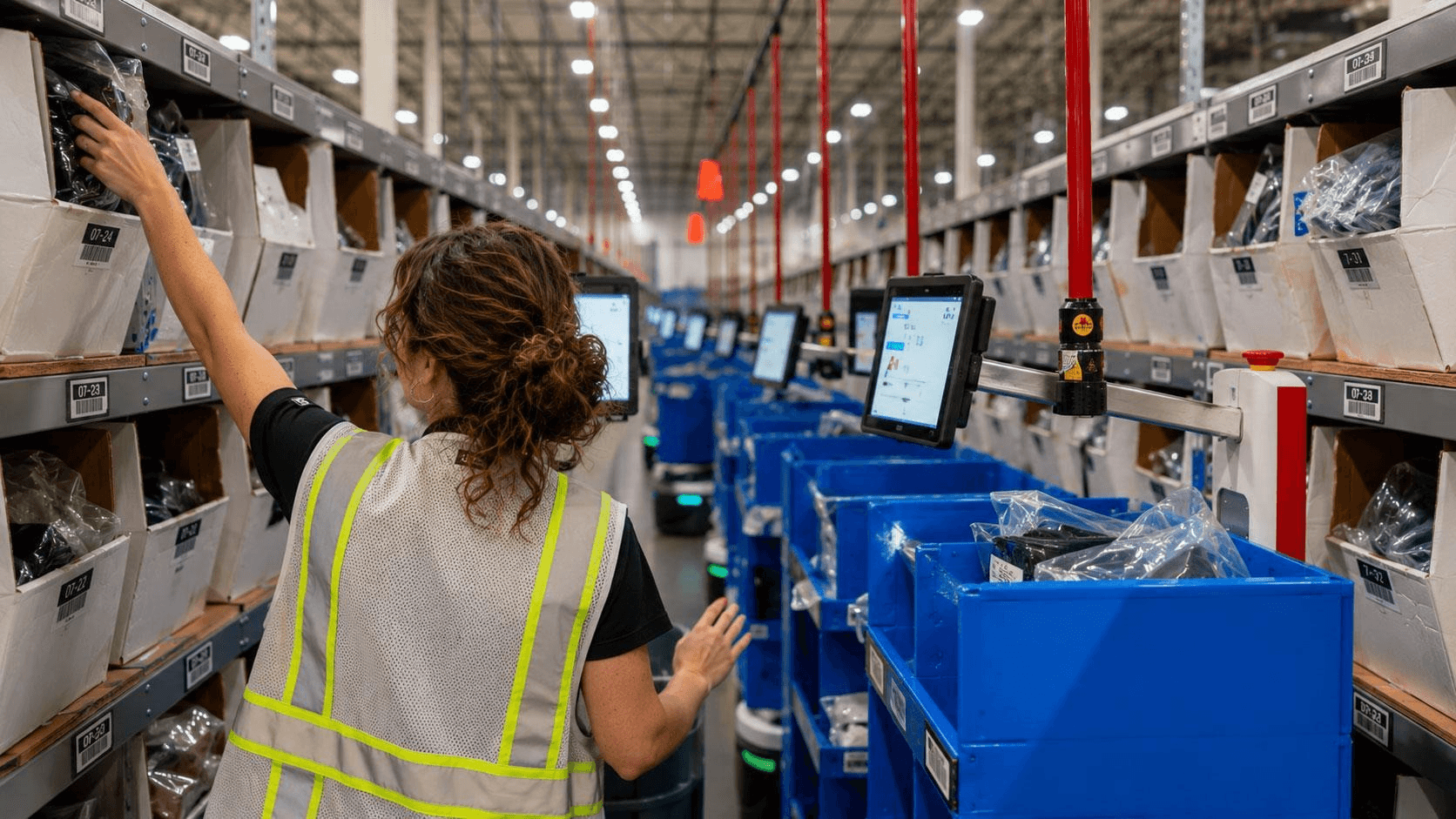
Operational responsiveness has become one of the defining priorities within modern e-commerce infrastructure. Businesses recognise that rigid fulfilment systems create vulnerabilities during periods of rapid demand fluctuation, logistical disruption, or changing consumer behaviour.
Shorter production cycles form a major part of this shift. Rather than relying exclusively on large production runs planned far in advance, many businesses now favour smaller, more responsive inventory strategies that enable them to respond more quickly to real-time sales data and evolving customer demand.
Agile sourcing models support this transition by reducing reliance on single production pipelines or long manufacturing timelines, particularly as businesses seek to minimise disruption from supplier delays and international shipping instability. Businesses working with diversified suppliers and more responsive production networks often maintain greater control during periods of disruption because they can adjust sourcing decisions more rapidly.
Flexible fulfilment systems have also become increasingly valuable. Businesses operating across multiple fulfilment locations or distributed warehousing networks can often respond to regional demand shifts more efficiently while reducing delivery times and transportation pressure. Regional fulfilment coordination now plays a larger role in operational planning because customer expectations around delivery speed continue rising.
Scalable warehousing strategies have evolved alongside this trend. Rather than maintaining permanently oversized warehouse infrastructure, many businesses now focus on building adaptable storage and fulfilment capacity that can expand or contract more efficiently in response to operational demand.
Production responsiveness has become equally important. Many businesses now prefer manufacturing systems that support smaller production runs, faster replenishment cycles, and more adaptable inventory management. This approach reduces exposure to unsold stock while allowing businesses to respond more effectively to shorter product lifecycles.
Operational adaptability now influences profitability directly. Businesses capable of reacting quickly to demand shifts often reduce inventory exposure, improve fulfilment efficiency, and maintain healthier cash flow management compared with systems built around slower forecasting models.
Technology has supported many of these operational improvements, although automation alone rarely solves underlying supply-chain challenges. Inventory visibility systems, warehouse management platforms, and AI-assisted forecasting tools can improve coordination and responsiveness, but businesses still require operational structures capable of acting on that information effectively.
Flexibility also strengthens operational resilience during periods of disruption. Supply chain disruptions, shipping delays, labour shortages, and regional logistics challenges continue to affect the global e-commerce infrastructure. Businesses operating more adaptable fulfilment systems generally recover more efficiently because they can reroute inventory, adjust sourcing strategies, or shift production more rapidly.
This broader operational shift increasingly shapes long-term infrastructure planning across e-commerce sectors. Businesses no longer measure fulfilment strength solely through inventory volume or warehouse scale. Responsiveness, adaptability, and operational coordination now play equally important roles in determining supply-chain performance.
How Production Models Are Evolving Alongside Fulfilment
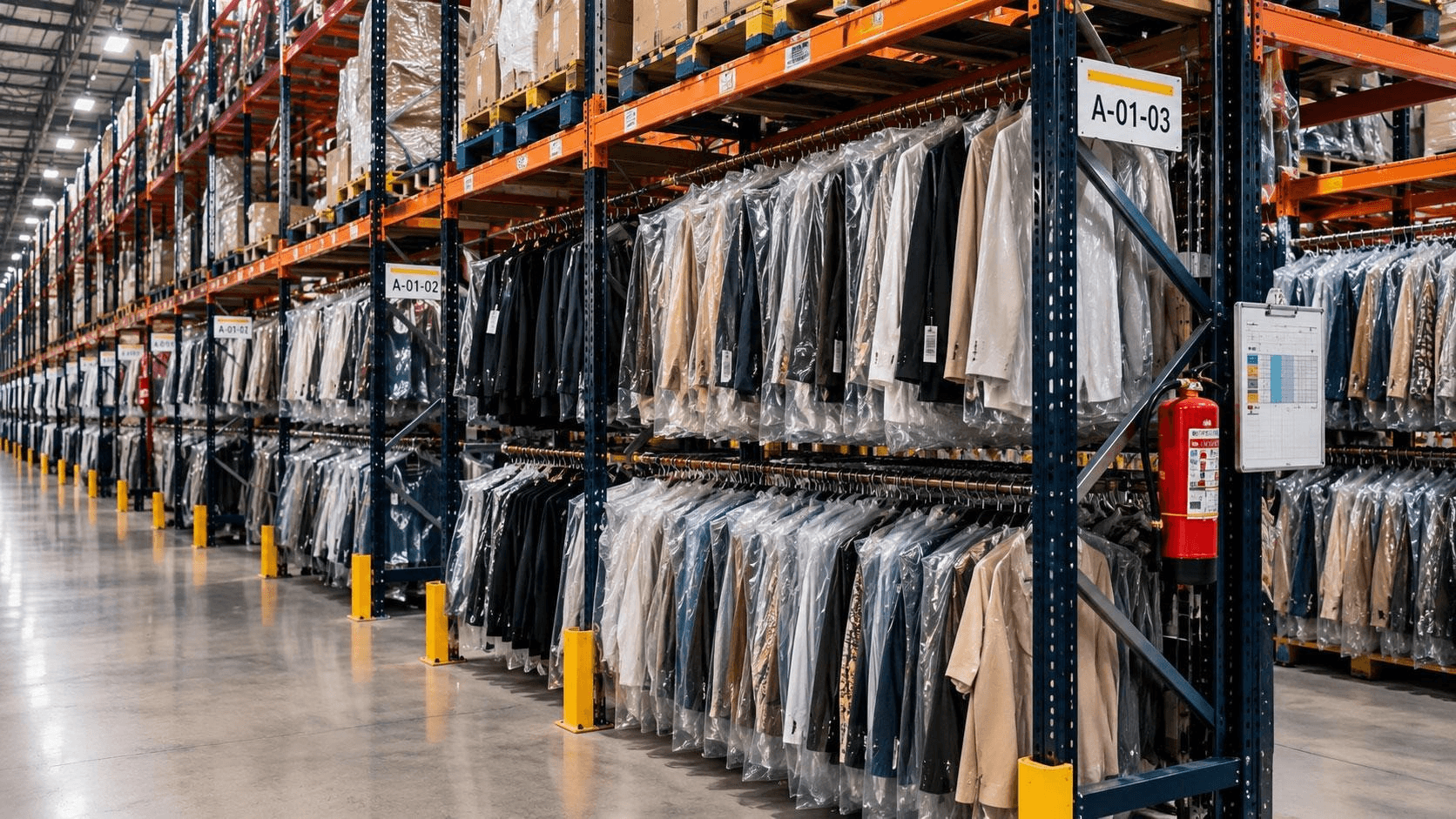
Production infrastructure has evolved significantly alongside modern fulfilment systems. Businesses increasingly expect manufacturing networks to support faster deployment, shorter production cycles, and more adaptable inventory strategies, rather than operating in isolation from operational planning.
Traditional production models often relied on larger manufacturing runs designed to improve forecasting efficiency and reduce costs. While this approach still supports many large-scale operations effectively, it can also create inventory exposure when consumer demand shifts unexpectedly or product lifecycles shorten rapidly.
Responsive manufacturing models help reduce this pressure by allowing businesses to align production more closely with real-time demand patterns. Shorter production runs, decentralised manufacturing networks, and more flexible fulfilment coordination all support faster operational decision-making while reducing unnecessary stock accumulation.
Distributed production infrastructure has become increasingly valuable within e-commerce operations because it improves responsiveness across multiple fulfilment stages simultaneously. Businesses operating through more regionalised production and fulfilment systems can often reduce transportation timelines, improve inventory visibility, and maintain greater operational agility during periods of volatility.
On-demand production models have also expanded within broader e-commerce infrastructure over recent years. While print-on-demand remains only one example of this shift, the broader operational principle reflects a growing preference for more adaptable production systems that reduce inventory exposure and improve responsiveness in fulfilment.
Industry forecasts highlight how quickly these models continue expanding. Grand View Research estimates that the global print-on-demand market could reach approximately $57.5 billion by 2033, supported by compound annual growth exceeding 23%. Much of this growth reflects operational demand for more flexible production infrastructure rather than simple product personalisation trends alone.
The T-Shirt Bakery, an apparel production specialist working closely with e-commerce brands and fulfilment operations, has noted growing demand for more flexible fulfilment and shorter production cycles as businesses attempt to reduce inventory exposure while maintaining faster delivery expectations.
Operational coordination is increasingly linking production directly to the fulfilment strategy. Businesses no longer treat manufacturing purely as a separate upstream process disconnected from delivery infrastructure or inventory responsiveness. Production scheduling, warehouse coordination, fulfilment speed, and inventory planning now operate far more closely together.
Integrated production and fulfilment coordination allows businesses to launch products more quickly while maintaining tighter control over stock allocation and fulfilment efficiency. Businesses capable of dynamically adjusting production often reduce the risk of overproduction while improving responsiveness across e-commerce channels.
Why Logistics And Delivery Infrastructure Now Shape Customer Experience

Customer expectations around delivery speed and fulfilment reliability have transformed logistics infrastructure into a direct part of the e-commerce experience itself. Consumers now judge businesses not only by product quality or pricing but also by the consistency of fulfilment, shipping visibility, and delivery responsiveness.
Warehouse coordination now plays a central role in maintaining that consistency. Businesses operating across multiple e-commerce channels must manage inventory allocation, picking accuracy, stock visibility, and returns processing simultaneously while maintaining increasingly compressed fulfilment timelines.
Regional fulfilment strategies have become more important as delivery expectations continue to accelerate. Businesses distributing inventory closer to customer demand centres can often reduce transportation delays and improve delivery reliability while lowering strain on centralised warehousing systems.
Courier integration has also become far more operationally significant, particularly during periods of regional delivery disruption and increased last-mile pressure. e-commerce businesses increasingly rely on stronger coordination between fulfilment systems and delivery partners to maintain tracking visibility, delivery accuracy, and customer communication throughout the fulfilment cycle.
Returns handling adds another layer of complexity. Reverse logistics is now a major operational consideration in e-commerce infrastructure because returns processing directly affects warehouse capacity, inventory visibility, and customer satisfaction. Businesses operating inefficient returns systems often create bottlenecks that impact wider fulfilment performance.
Last-mile delivery pressure continues shaping logistics investment as well. Businesses increasingly prioritise fulfilment responsiveness because delivery delays or poor communication can quickly damage customer trust, regardless of product quality. Operational consistency now directly influences customer retention.
Large retailers have responded by investing heavily in logistics infrastructure and warehouse modernisation. Reuters has reported that Marks & Spencer continues to invest significantly in warehouse automation, fulfilment improvements, and supply-chain upgrades to support long-term e-commerce growth and improve operational responsiveness.
These investments reflect a broader operational reality. Fulfilment systems no longer function purely as backend infrastructure. Logistics coordination increasingly shapes customer perception, operational resilience, and long-term competitiveness across e-commerce sectors.
The Future of e-commerce Operations and Supply-Chain Management
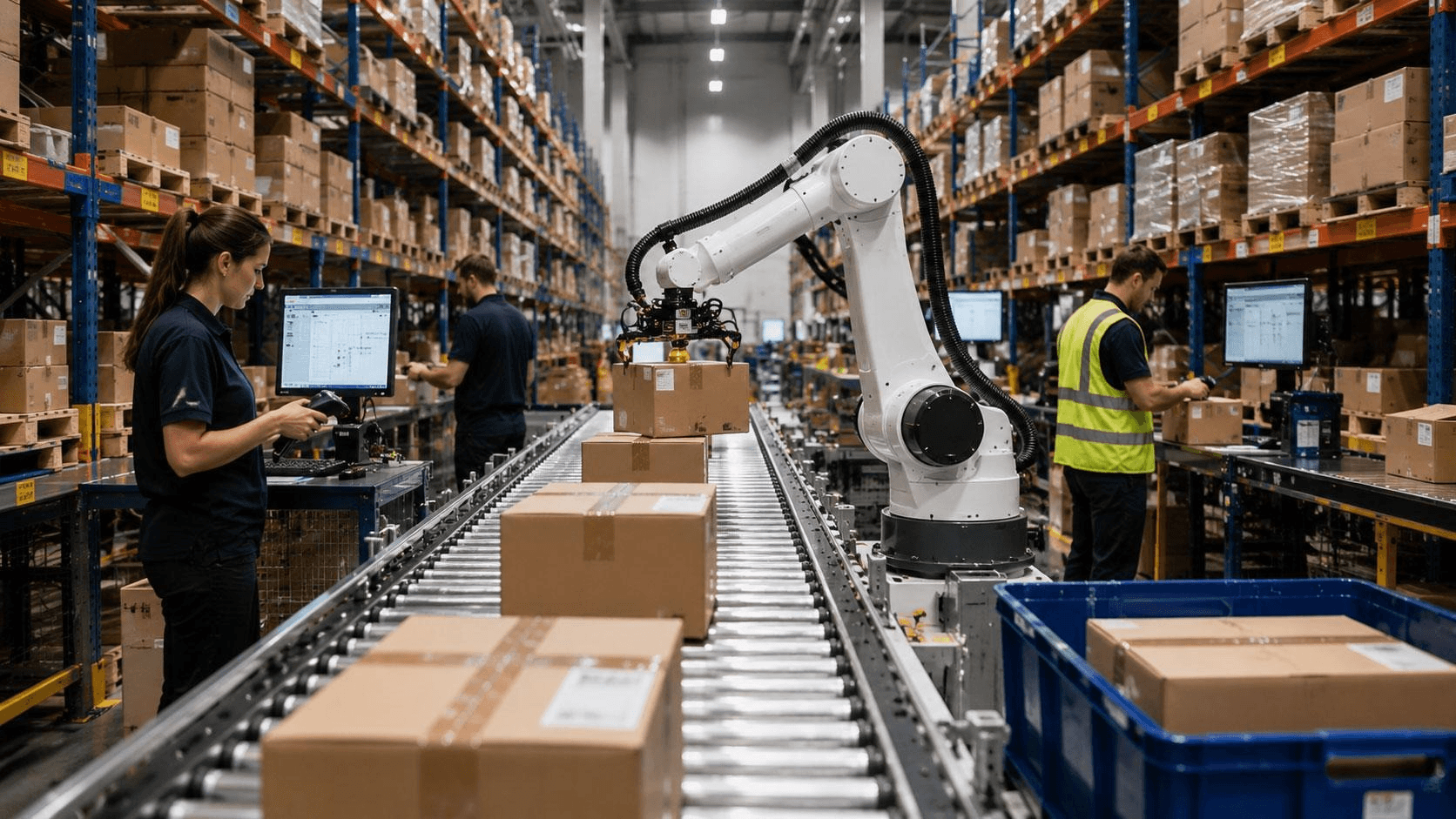
Modern e-commerce operations increasingly depend on adaptability rather than scale alone. Businesses capable of responding quickly to operational disruptions, changing demand patterns, and fulfilment pressures often maintain greater long-term resilience than systems built purely around fixed inventory volumes or centralised infrastructure.
Supply-chain resilience has therefore become a major strategic priority across e-commerce operations. Businesses now focus more heavily on reducing operational fragility by diversifying sourcing, improving fulfilment coordination, and building more responsive production infrastructure that can adapt under pressure.
Inventory responsiveness now influences profitability directly. Businesses operating more agile supply chains can often reduce warehousing exposure, improve stock efficiency, and maintain healthier operational cash flow by reacting more quickly to real-time demand changes.
Smarter forecasting systems continue supporting this shift as well. AI-assisted planning tools, inventory analytics platforms, and automation systems increasingly help businesses identify demand patterns earlier and improve operational coordination across fulfilment networks. Most operators, however, now recognise that forecasting tools only create value when businesses maintain operational structures flexible enough to respond effectively.
Sustainability pressure will likely continue accelerating many of these changes. Businesses facing increasing scrutiny over waste, overproduction, and excess inventory are under greater pressure to improve operational efficiency across their fulfilment and production systems. More responsive supply chains naturally support this goal by reducing unnecessary inventory accumulation and improving resource allocation.
Scalable infrastructure will also remain critical as e-commerce operations continue expanding globally. Businesses require fulfilment systems that support growth without creating excessive operational rigidity or inventory exposure. Adaptability now functions as a competitive advantage rather than simply an operational preference.
Production flexibility, logistics coordination, fulfilment responsiveness, and inventory optimisation are becoming increasingly interconnected. Businesses operating these systems in isolation often struggle to maintain operational efficiency under modern e-commerce conditions.
The broader direction remains clear. e-commerce infrastructure is moving toward more responsive operational ecosystems in which production, fulfilment, warehousing, and delivery coordination function together more dynamically than traditional retail supply chains historically did.
Flexible Operations Are Becoming A Competitive Advantage
Modern e-commerce success increasingly depends on operational flexibility. Businesses operating responsive fulfilment systems, adaptable production infrastructure, and stronger logistical coordination are often better positioned to manage volatility, reduce inventory exposure, and maintain fulfilment consistency under pressure.
Rigid supply chains continue struggling with shorter product lifecycles, changing consumer demand, and rising fulfilment expectations. More adaptable operational systems allow businesses to respond faster while maintaining greater control across production, warehousing, and delivery infrastructure.
Operational responsiveness now directly shapes the customer experience. Delivery reliability, inventory visibility, fulfilment speed, and logistical coordination continue to influence customer trust alongside product quality itself.
As e-commerce operations continue to evolve, businesses will likely place even greater emphasis on fulfilment scalability, supply-chain resilience, and production adaptability. Companies that continue to rely on rigid fulfilment systems may increasingly struggle to compete with operations designed around responsiveness, coordination, and inventory agility. Operational efficiency no longer functions purely as backend infrastructure. It now shapes profitability, customer experience, and long-term commercial resilience across modern e-commerce systems.


