
business resources
From Name to Contact: How People Finder Services Actually Work
11 Dec 2025

Forget vague promises of "reconnecting with old friends." The real value of people search engines in 2024 is far more gritty and practical. Whether you're:
- Tracking down a deadbeat client who vanished with your deposit.
- Verifying the legitimacy of someone you met online.
- Locating a crucial witness for a legal or personal matter.
- Identifying persistent unknown callers harassing you or your family.
- Finding a birth parent or biological relative (a deeply personal, often complex search).
- Performing due diligence on a potential tenant, contractor, or business partner (within strict legal limits).
...a name is often the only starting point. This is where modern people finder services step in, not as magic wands, but as sophisticated data aggregators. Let's cut through the hype.
How They Actually Work
- Massive, Messy Data Aggregation: These services continuously scrape and license data from thousands of fragmented sources:
- Government & Court Records: Property deeds, marriage/divorce filings, voter registrations, business registrations, some criminal records (availability varies wildly by jurisdiction and record type).
- Utility & Telecom Records: Historical address links, landline phone listings (increasingly rare), carrier information (NOT real-time GPS location).
- Data Brokers: A complex ecosystem selling legally acquired but often outdated or inaccurate consumer data.
- Public Online Footprints: Indexed social media profiles, professional licenses, news mentions, public forum posts. They cannot bypass strict privacy settings.
- Algorithmic Matching: You enter a name (plus last known location, age, or relative if possible). The engine doesn't just "search." It:
- Parses variations (nicknames, maiden names, typos).
- Cross-references fragmented data points across sources.
- Uses statistical models to link records likely belonging to the same person.
- Filters out obvious false positives.
- This is where accuracy lives or dies. Good algorithms minimize junk; bad ones flood you with irrelevant matches.
- Delivering a Report: The output isn't a single "correct" answer. It's a report compiling potential matches, often including:
- Current & Past Addresses (Useful for skip tracing or verifying history).
- Associated Phone Numbers (Landline, mobile - often the most valuable contact point).
- Possible Email Addresses.
- Known Relatives & Associates (Critical for confirming identity or finding alternate paths).
- Links to Public Social Profiles (If they exist and are findable).
- Limited Public Background Info (e.g., property ownership, certain licenses - HIGHLY variable).
The Critical, Non-Negotiable Ethics
- NOT FCRA-COMPLIANT BACKGROUND CHECKS: This is the biggest misconception. Reputable people finders explicitly state they are NOT Consumer Reporting Agencies (CRAs). Their reports CANNOT legally be used for:
- Employment decisions
- Credit decisions
- Insurance underwriting
- Housing/tenant screening
- Using them for these purposes is illegal and exposes YOU to liability. FCRA checks require consent, specific processes, and certified providers.
- Stalking/Harassment is Illegal: Full stop. These tools are for legitimate, lawful purposes only.
- Accuracy is NOT Guaranteed: Data is often outdated, incomplete, or just wrong. Corroborate findings.
- Opt-Out Exists (But It's Work): Legitimate services provide opt-out mechanisms, but it can be tedious. They also use encryption for security.
Choosing a Service: What Actually Matters
- Transparency on Data Sources: Do they vaguely say "public records" or list specific types?
- Matching Algorithm Quality: How well do they filter noise? (Look for user reviews mentioning accuracy/false positives).
- Depth & Recency (For Your Specific Need): Need current phone numbers? Verify they source telecom data. Need deep historical addresses? Check if they license utility/associate data.
- Clear Pricing & No Dark Patterns: Pay-per-search is often best for one-offs. Beware auto-renewing subscriptions.
- Robust Opt-Out & Privacy Policy: Is it easy to find and use?
- Realistic Expectations: They won't find everyone, especially if someone actively minimizes their digital footprint.
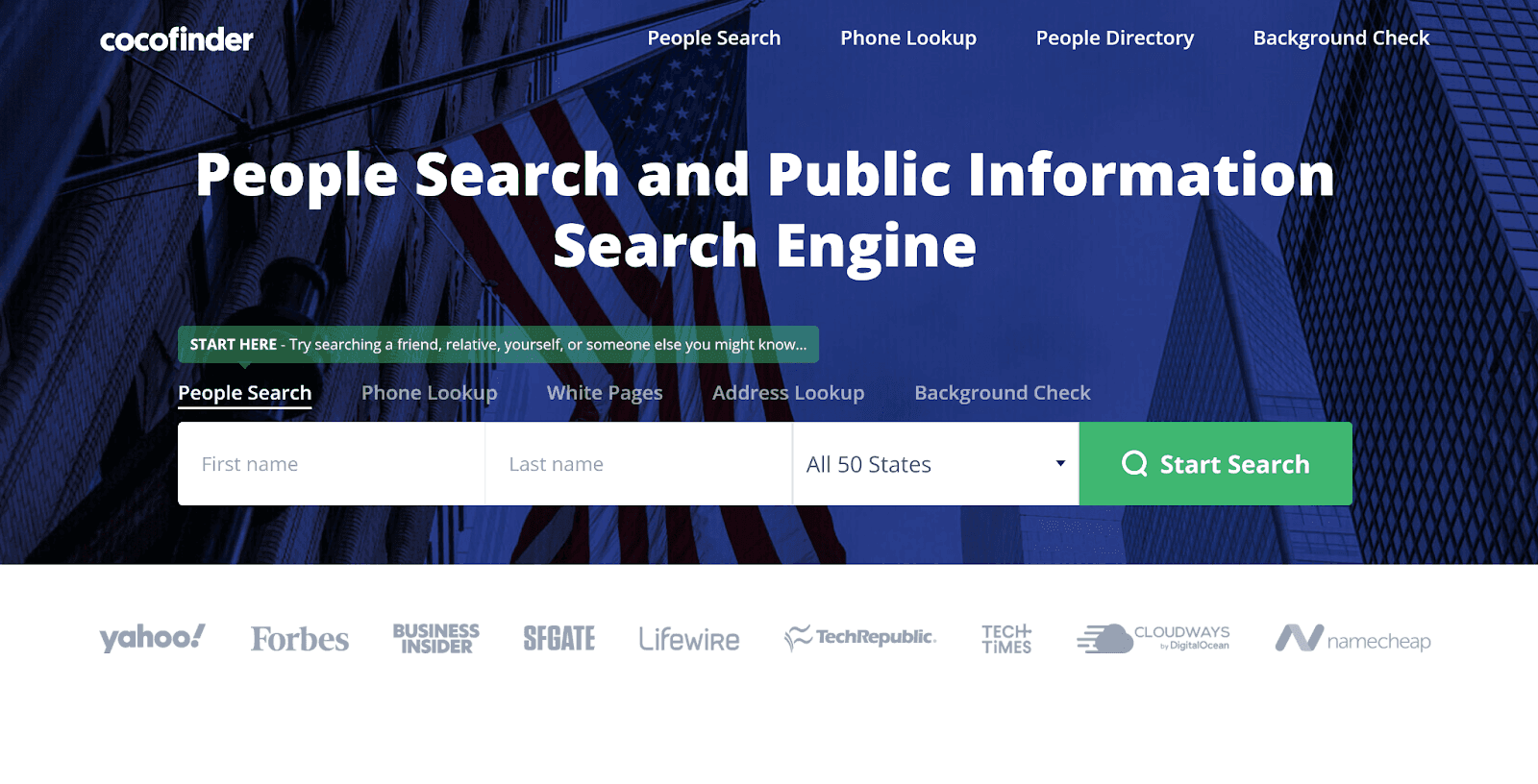
A Pragmatic Option for Legitimate Searches: CocoFinder
When you need a straightforward people finder tool to bridge the gap from a name to potential contact info, CocoFinder often delivers practical results. Here's the real assessment:
- Strengths: Aggregates core data effectively (addresses, phone numbers, relatives). Simple, fast interface. Pay-per-search model avoids subscription traps. Provides clear non-FCRA disclaimers and opt-out info. Good for finding current contact points or verifying basic details of someone you already know.
- Limitations: Like all services, accuracy depends on available data. Won't magically find someone with zero footprint. Depth for historical records or specialized data (e.g., certain licenses, deep financials) may lag behind premium investigative databases.
- Best Use Case: Verifying contact details, identifying unknown callers, finding current addresses for legitimate purposes (e.g., sending certified mail), locating relatives for personal reconnection, or quick due diligence supplementation (NOT primary screening).
Bottom Line: Tools, Not Solutions
People finders are powerful data sifters. They can turn a name into actionable leads – a phone number, a relative's contact, a current address – faster than manual searching. But they are not infallible, have strict ethical boundaries, and require responsible use.
Use them for legitimate purposes, verify the information, respect privacy and the law, and understand their limitations. For the specific task of trying to find contact information starting with just a name, CocoFinder provides a functional, accessible, and ethically transparent option worth trying, provided your needs align with what these services can realistically deliver.


