


business resources
How Can Businesses Optimize Energy Consumption?
01 Jan 2026

In today's business world, cutting costs and being kinder to the planet are top priorities. A huge part of this puzzle is taking a hard look at energy usage. It might seem like a monumental task, but what if there were practical steps any company could take to lower its energy consumption? This isn't just about saving money, though that's certainly a major perk. It's about streamlining operations and making a positive contribution to a healthier environment. Let's dive into some straightforward ways to get a firm handle on your business's energy use.
Key Takeaways
- First things first, get a clear picture of exactly where and how your business is using energy. A thorough audit is your best friend here, pinpointing the biggest energy hogs and areas of waste.
- Making the switch to efficient lighting and upgrading outdated equipment can create a surprisingly significant dent in your energy bills.
- Boosting your building's efficiency—think better insulation or new windows—is a smart move that helps keep energy costs down all year long.
- Smart systems are a game-changer; they can automate things like lighting and heating, ensuring you're not wasting energy when it isn't needed.
- Getting the whole team involved is crucial. Fostering simple, energy-saving habits from the top down makes a massive difference over time.
Understanding Your Business's Energy Consumption
Before you can begin to save energy, you first have to understand where it's all going. It sounds simple, but many businesses operate without a crystal-clear picture of their energy profile. This blind spot can easily lead to wasted resources and inflated costs. That's why the first step toward optimizing energy consumption is to get a solid grasp on your current usage patterns.
Conducting A Comprehensive Energy Audit
Think of an energy audit as a complete physical for your business's energy health. It's a detailed examination of your facilities, equipment, and operations designed to pinpoint where energy is being consumed and—more importantly—where it's being wasted. This goes far beyond just glancing at your utility bill; it's about digging into the 'why' behind those numbers. An audit can uncover everything from simple fixes, like sealing air leaks, to bigger opportunities, such as upgrading aging machinery. Essentially, it's a diagnostic tool that gives you a clear roadmap for improvement. You can even find resources to help with this, some of which guide you through opportunity mapping for your operational strategy.
Analyzing Energy Usage Patterns
Once you have the data from an audit in hand, the next step is to analyze it. This means looking beyond the total kilowatt-hours used each month. It's about breaking down consumption by department, by time of day, or even by specific pieces of equipment. For instance, you might discover that your lighting system is responsible for a huge chunk of your electricity bill, or that your heating system runs inefficiently after business hours. Understanding these patterns helps you prioritize where to focus your energy-saving efforts for the biggest impact. This analysis can reveal trends that might not be immediately obvious, like spikes in usage during certain production cycles.
Identifying Major Energy Consumers
Within your business, some systems and equipment will naturally be thirstier for energy than others. Identifying these major consumers is absolutely key to making a real impact. The usual suspects often include:
- HVAC (Heating, Ventilation, and Air Conditioning) systems
- Lighting fixtures, particularly older, less efficient types
- Manufacturing or production machinery
- Refrigeration units
- Standard office equipment like computers and printers
By figuring out which of these are the biggest drains on your resources, you can target upgrades or operational changes to those areas first. It just makes sense—if your HVAC system accounts for 40% of your energy bill, improving its efficiency will yield far greater results than tweaking a low-consumption item.
Here's the thing—understanding your energy consumption isn't a one-and-done task. It's an ongoing process that demands regular attention. By consistently monitoring and analyzing your usage, you can fine-tune your strategies and ensure your energy-saving efforts remain effective for the long haul.
Implementing Energy-Efficient Technologies
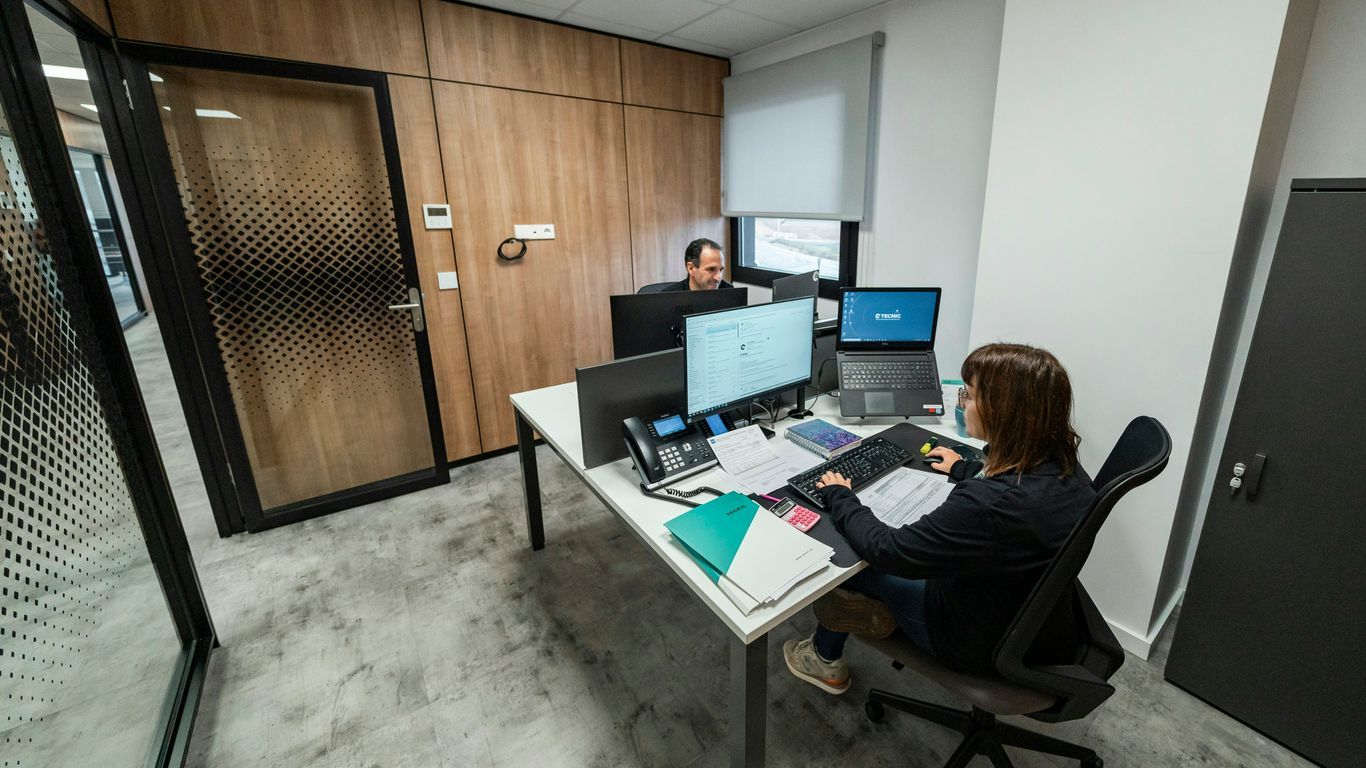
Making the switch to more energy-efficient equipment and systems is one of the most direct ways to cut down on energy use. While it might seem like a significant undertaking, the long-term savings and environmental benefits are well worth it. Think about it: older machines often devour far more power than their modern counterparts, and that cost adds up quickly on your utility bills.
Upgrading To Energy-Efficient Lighting Solutions
Let's talk about lighting—it's often a surprisingly large slice of a business's energy pie. A simple swap from old incandescent or fluorescent bulbs to modern LEDs can make an immediate, noticeable difference. LEDs use a fraction of the electricity and last significantly longer, which means lower bills, fewer replacements, and less maintenance. You can also explore smart lighting controls, like motion sensors for low-traffic areas or daylight harvesting systems that automatically dim artificial lights when there's enough natural light. This approach not only saves energy but can also improve the overall quality of light in your workspace.
Optimizing Heating and Cooling Systems
Your Heating, Ventilation, and Air Conditioning (HVAC) system is, more often than not, the single biggest energy consumer in your building. Keeping these systems in top shape through regular maintenance is critical for efficiency. This includes routine tasks like cleaning filters, checking for leaks, and ensuring the system is properly calibrated. Installing programmable or smart thermostats gives you precise control, allowing you to set schedules so you’re not wasting energy heating or cooling an empty building. Don't forget the simple stuff, either—properly sealing windows and doors prevents conditioned air from escaping, making your HVAC system's job much easier.
Investing In Modern Office Equipment
When it's time for an upgrade on computers, printers, or other office gear, keep an eye out for the ENERGY STAR label. These certified products are specifically designed to use less energy without sacrificing performance. Even small behavioral changes can contribute to savings, like encouraging employees to use laptops (which are generally more efficient than desktops) or setting all devices to enter sleep mode after a short period of inactivity. When purchasing new equipment, it's wise to consider the total cost of ownership, which includes its energy consumption over its lifetime, not just the initial price tag. This is a perfect example of how smart factories can reduce costs through optimized energy usage [00e6].
Ultimately, moving to energy-efficient technology is more than a cost-saving measure; it's about embedding smarter, more sustainable practices into your operations that benefit your bottom line and the environment. Start by assessing your current equipment to identify the biggest energy drains, then prioritize upgrades that offer the best return on your investment.
Enhancing Building Efficiency
Getting your commercial building to work smarter, not harder, is a huge piece of the energy-saving puzzle. It's not just about the fancy equipment you put inside; the building itself—its very bones—plays a massive role in how much energy you consume. Think of it like dressing for the weather: a well-insulated coat keeps you warm without you needing to crank up the thermostat. The same principle applies to your office, warehouse, or factory.
Improving Building Insulation And Design
Proper insulation acts like a protective thermal blanket for your building. It keeps the heat in during the winter and out during the summer, which means your heating and cooling systems don't have to work nearly as hard to maintain a comfortable temperature. Simple upgrades like adding insulation to the roof, walls, and floors can make a world of difference. You should also consider the building's overall design. Using materials that reflect heat or designing spaces to maximize natural light can dramatically cut down on the need for artificial lighting and climate control.
- Add insulation to attics, walls, and crawl spaces. This is often one of the most cost-effective moves you can make to reduce energy loss.
- Seal up air leaks. Diligently check around windows, doors, and any points where pipes or wires enter the building. Even tiny gaps can let a surprising amount of conditioned air escape.
- Consider building orientation and shading. In warmer climates, smart positioning can minimize direct sun exposure during peak heat. In colder regions, maximizing that same sun exposure in winter can provide valuable passive heating.
A well-sealed and insulated building simply requires less energy to keep comfortable. This leads directly to lower utility bills and creates a more pleasant environment for everyone inside.
Installing Energy-Efficient Windows And Doors
Old, drafty windows and doors are essentially open invitations for energy to walk right out. Upgrading to modern, energy-efficient models can slash your heating and cooling costs. Look for windows with double or triple glazing and low-emissivity (low-E) coatings. These advanced features help keep heat inside during the winter and outside during the summer. In the same vein, well-sealed, insulated doors are critical for preventing drafts and maintaining stable indoor temperatures.
Implementing Water-Saving Measures For Heating
It's easy to overlook, but heating water consumes a surprising amount of energy. While it might seem like a plumbing issue, it has a direct impact on your energy bill—especially if you have facilities like kitchens, restrooms, or manufacturing processes that rely on hot water. The logic is simple: reducing hot water usage means you need less energy to heat it.
- Install low-flow fixtures. This includes faucets, showerheads, and toilets. Modern designs use far less water while providing the same level of performance.
- Check for and repair leaks promptly. A single dripping hot water faucet can waste an incredible amount of both water and energy over time.
- Insulate hot water pipes. This simple step reduces heat loss as water travels from the heater to the tap, ensuring it arrives hotter with less energy input.
By focusing on the physical structure of your building, you can create a highly efficient foundation that amplifies all your other energy-saving strategies.
Leveraging Smart Systems For Energy Management
Why not let technology do some of the heavy lifting? Modern businesses can dramatically reduce energy waste by adopting smart systems specifically designed for energy management. These systems use advanced technology to monitor, control, and optimize energy usage across your entire operation. Think of it as giving your building a brain that instinctively knows when and how much energy to use for maximum efficiency.
Implementing Energy Management Systems (EMS)
An Energy Management System (EMS) is a centralized command center that empowers businesses to track and control their energy consumption with precision. This typically involves installing a network of sensors and control devices throughout a facility, which gather real-time data on energy use. This constant stream of information then allows the system to make automated adjustments to lighting, heating, cooling, and other systems.
Utilizing Automation For Lighting And Climate Control
Automation is where smart energy management truly shines. These systems can be programmed to intelligently adjust lighting and temperature based on a variety of factors, such as occupancy, the time of day, or even external weather conditions. What does this look like in practice? Lights can automatically switch off in empty rooms, and thermostats can dial back the heating or cooling when the building is closed for the night.
- Occupancy Sensors: These devices detect when a room or area is in use and adjust lighting and HVAC systems accordingly, preventing waste.
- Timers and Schedules: You can program specific operating times for your systems to align perfectly with business hours, ensuring nothing is left running unnecessarily.
- Smart Thermostats: These clever devices can learn your usage patterns and adjust temperatures automatically to balance comfort and savings.
Employing Data Analytics For Optimization
This is where things get really smart. Data analytics takes the vast amount of information collected by an EMS and transforms it into actionable insights. By analyzing this data, businesses can identify subtle patterns, hidden inefficiencies, and new opportunities for savings. This allows for far more informed decision-making and a cycle of continuous improvement for your energy strategies.
Analyzing energy data helps you pinpoint exactly where energy is being used most and where it might be wasted. This level of insight is invaluable for making targeted, effective improvements rather than broad, hit-or-miss changes.
Here's how data analytics can give you an edge:
- Identify Peak Usage Times: Understand when your business consumes the most energy so you can potentially shift non-essential operations to off-peak hours.
- Benchmark Performance: Compare your energy use against industry standards or your own past performance to set realistic and ambitious goals.
- Predictive Maintenance: Analyze equipment performance data to anticipate potential failures, which often cause a spike in energy use before they become critical.
- Quantify Savings: Accurately measure the impact of your energy-saving initiatives to justify investments and track your progress toward sustainability goals.
Fostering A Culture Of Energy Conservation
Technology and building upgrades are fantastic, but they're only part of the puzzle. The real secret weapon in becoming more energy efficient? Your team. When every person in the company understands why saving energy matters and knows how they can contribute, you can achieve truly remarkable results. It’s all about building sustainable habits that stick for the long haul.
Educating Employees On Energy-Saving Practices
It's crucial to start with the "why." Take the time to explain how using less energy not only helps the environment but also directly benefits the company by lowering costs—money that can then be reinvested in the business. Simple, memorable facts can be very effective. For example, did you know that many appliances continue to draw power even when they're on standby? Sharing this kind of information helps people make smarter, more conscious choices throughout their workday.
Encouraging Daily Habits For Reduced Consumption
The classic reminder to turn off lights when leaving a room is a classic for a reason—it works. Encourage your staff to fully power down their computers and monitors at the end of the day instead of just letting them slip into sleep mode. Even small collective actions, like only boiling the amount of water needed for a cup of tea in the breakroom, add up to significant savings. You might consider creating simple visual cues, like stickers, to remind people which equipment can be safely shut down overnight. This kind of consistent reinforcement is key to making these actions feel like second nature.
Promoting A Workplace Sustainability Ethos
Beyond just individual actions, your goal should be to create an environment where sustainability is a shared value. This could involve forming a "green team" to champion energy-saving initiatives or regularly sharing progress updates on the company's energy reduction goals. Recognizing and celebrating these collective efforts can do wonders for morale and encourage continued participation. Businesses are taking this seriously; for instance, smart city initiatives are helping entire communities work toward a more sustainable future, as seen in Hawaii's sustainability goals.
Building a culture of conservation isn't about a single memo or campaign. It's about weaving energy-conscious thinking into the very fabric of your daily operations. It's about empowering everyone to make choices, both big and small, that contribute to a more efficient and responsible workplace.
Exploring Renewable Energy Options
Ready to take a bigger leap? Shifting towards renewable energy sources is a powerful move for businesses looking to shrink their environmental footprint and lock in long-term cost stability. Relying less on fossil fuels not only means a smaller carbon footprint but also greater insulation from volatile energy markets. What's more, investing in renewable energy can powerfully position your business as a forward-thinking, responsible leader in your industry.
Investing In On-Site Renewable Energy Generation
Generating your own clean power gives you direct control over your energy supply and expenses. Solar panels are an increasingly popular choice for businesses, especially those with ample roof space or unused land. While the initial investment can be significant, the long-term returns—including dramatically reduced electricity bills and potential government incentives—often make it a very sound financial decision. Depending on your location, other on-site options might include small-scale wind turbines or even geothermal systems.
Considering Green Power Programs From Utilities
If installing your own generation system isn't feasible right now, don't worry—you can still go green. Many utility companies offer green power programs that allow you to purchase electricity generated from renewable sources, such as large-scale wind or solar farms. It's a remarkably straightforward way to support the renewable energy sector without needing any on-site installation or maintenance. When exploring these programs, be sure to choose one that's transparent about where its green power comes from and what the costs or benefits are. This is an excellent way to support broader clean energy initiatives.
Evaluating Feasibility Of Wind Or Geothermal Energy
While solar energy often gets the most attention, wind and geothermal power present their own unique opportunities. Wind energy is most viable in locations blessed with consistent, strong winds and typically requires larger installations to be cost-effective. Geothermal energy, which harnesses the Earth's natural internal heat, can be incredibly efficient for heating and cooling but is dependent on specific geological conditions and requires a significant upfront investment. For these more specialized options, a thorough feasibility study is essential to determine if they align with your business's location, energy demands, and financial capacity.
Continuous Monitoring And Strategy Adjustment
Making changes to reduce your business's energy consumption is a fantastic start, but it's not a "set it and forget it" solution. To achieve real, long-term savings and keep your operations efficient, you need to keep a close watch on your progress and be ready to adjust your approach. Think of it like steering a ship; you set a course, but you must constantly make small corrections to stay on track and reach your destination.
Regularly Reviewing Energy Bills And Consumption
Your monthly energy bills are more than just invoices—they're valuable reports. Don't just glance at the total and file it away. Dive into the details. Can you spot spikes in usage at certain times of the day or week? Does your consumption jump dramatically during particular seasons? Comparing your current bills to historical data, and even to industry benchmarks if possible, can shine a light on areas where you might be using more energy than necessary. This regular check-in helps you identify trends and potential issues before they become major costs.
Using Software To Track Usage And Savings
While a manual review of bills is good, modern tools can make this process vastly more powerful. Energy management software (EMS) can connect directly to your meters and systems to provide real-time, granular data on your energy consumption. This allows you to see precisely where energy is being used, when it's being used, and by which pieces of equipment. More importantly, this software can track the direct impact of the changes you've made. Did switching to LED lighting actually lower your lighting costs by the projected amount? This kind of detailed feedback makes it crystal clear what's working and what needs another look.
Adapting Strategies Based On Performance Data
Once you have solid data from your bills and tracking software, it's time to put it to use. If the data shows that a specific machine is a chronic energy hog, you might need to explore upgrading it or altering its operating schedule. If your heating costs are still stubbornly high, perhaps your insulation needs another assessment or your thermostat settings require further tweaking. The key is to remain flexible and responsive. Business needs evolve, technology improves, and energy prices fluctuate. Regularly analyzing your performance data empowers you to make smart, informed decisions and continually refine your energy-saving strategies to stay efficient and cost-effective.
The most successful energy management plans are dynamic, not static. They rely on a continuous feedback loop of measuring, analyzing, and adapting to ensure ongoing improvements and sustained financial and environmental benefits.
Conclusion
Making your business more energy efficient is about more than just boosting the bottom line, though that's a fantastic benefit. It’s also about being a more responsible corporate citizen. We've walked through a whole range of options, from simple fixes like switching to LED lights and sealing up drafts, to more significant steps like exploring renewable energy. The most important thing is simply to start. Maybe that first step is a comprehensive energy audit to see where your power is really going, or maybe it's as simple as creating a culture where everyone remembers to turn off the lights. Whatever you choose to do, each step adds up. By consistently seeking out ways to use energy more wisely, your business can become more profitable, resilient, and ready for a sustainable future.
Frequently Asked Questions
Why is it important for my business to pay attention to how much energy it uses?
Paying close attention to your energy use is a smart move for two big reasons. First, it can significantly reduce your utility bills, saving the company money that can be used for other priorities. Second, using less energy lowers your carbon footprint, which is great for the environment. It's a true win-win for your finances and the planet.
What's the first step a business should take to use less energy?
The best place to start is by getting a clear picture of where your energy is currently being used. This is done through an energy audit. Think of it as a diagnostic check-up that identifies which systems, equipment, or areas are consuming the most power. This information is critical for knowing where to focus your efforts for the biggest impact.
Are there easy ways to save energy without spending a lot of money?
Yes, absolutely! There are many low-cost or no-cost habits that make a real difference. Simple actions like turning off lights and computers when they're not in use, ensuring doors and windows are sealed to prevent drafts, and unplugging chargers when they're done can add up to substantial savings when practiced by everyone.
How can technology help my business use less energy?
Technology is a fantastic ally in energy efficiency. You can switch to LED lighting, which uses far less electricity than older bulbs. Upgrading old machinery to modern, energy-efficient models can also drastically cut power consumption. Plus, smart systems like programmable thermostats or occupancy sensors for lights can automate savings for you.
What role do employees play in saving energy at work?
Employees play a vital role! When your entire team understands the importance of energy conservation and is empowered to take simple steps—like powering down equipment at the end of the day—the collective impact is huge. Fostering a workplace culture where energy saving is a shared responsibility is one of the most effective strategies you can have.
What are renewable energy options for businesses?
Renewable energy is generated from natural sources that don't run out, like sunlight and wind. For businesses, a common option is installing solar panels on the roof to generate your own electricity. If that's not feasible, many utility providers offer 'green power' programs, allowing you to source your energy from their renewable projects. It's a great way to decrease your reliance on fossil fuels.


