
resources
Smart City Expo USA 2025: Innovations Shaping America's Urban Future
23 Dec 2025

Prepare for Smart City Expo USA 2025, the premier event where professionals converge to discuss how cities across America are advancing their smart initiatives. At its core, the expo centers on groundbreaking ideas and technologies poised to transform urban living. Indeed, it offers a compelling glimpse into the future landscape of our towns and cities, with a steadfast commitment to enhancing livability for all residents. It's truly where the discourse surrounding smart city evolution in the USA gains significant momentum.
Key Takeaways
- Smart City Expo USA is solidifying its position as a major event for urban innovation in America, with Tomorrow.City USA pioneering the movement.
- The focus remains on cultivating future-ready cities through strategic investment in next-generation infrastructure and robust support for emerging technologies such as AI and data centers.
- Fostering truly inclusive urban environments is a paramount theme, exploring how data and insightful design can create more human-centered cities.
- Data science and AI are recognized as indispensable tools for understanding human mobility within urban settings and for building more resilient urban areas.
- The event expertly convenes diverse stakeholder groups – including businesses, governmental bodies, and research institutions – to collectively advance the smart city agenda.
Pioneering Urban Innovation at Smart City Expo USA
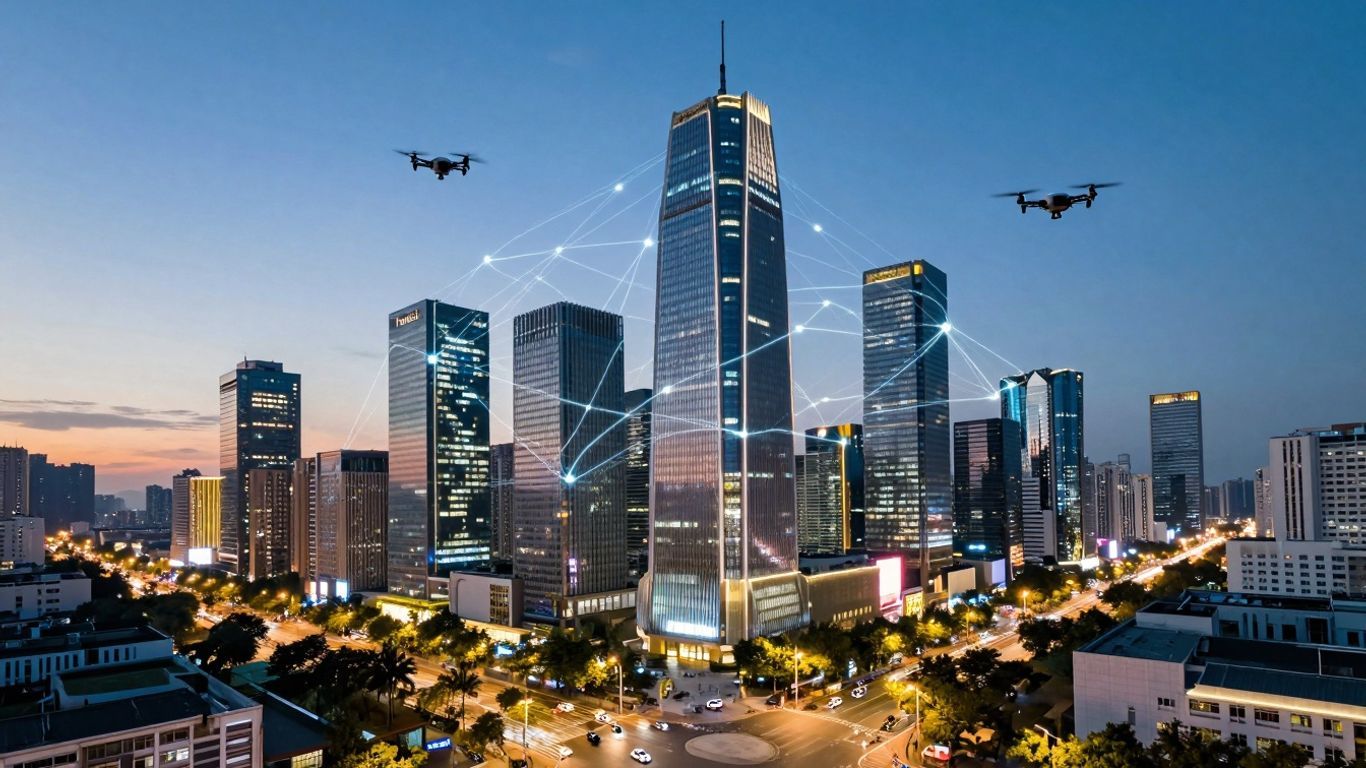
Tomorrow.City USA: Leading the Nation's Urban Future
Smart City Expo USA is solidifying its position as a pivotal force, by delivering the renowned global Smart City Expo World Congress experience right here in the United States. Indeed, it functions as the new flagship event for urban innovation across the U.S. The goal is clear: equip American cities for the demands of tomorrow. This means focusing on critical areas such as next-generation infrastructure, ensuring robust support for burgeoning AI and data center requirements, and actively encouraging new research initiatives. Ultimately, the aim is to cultivate urban centers that are not merely modern, but strategically competitive on the international stage. With significant upcoming North American events and ambitious national plans in motion, the imperative is clear to make U.S. cities secure, sustainable, and comprehensively prepared for emergent challenges.
The Premier Showcase for Smart Technologies
This event is undoubtedly the premier platform for unveiling the forefront of smart city technology. It's precisely where companies and innovators converge to display their pioneering solutions designed to enhance urban environments globally. For those keen to explore the cutting edge of urban technology, this expo is an indispensable destination. It provides an unparalleled opportunity to witness firsthand the innovations that are actively shaping how we live in our cities.
Convening North America's Smart City Leaders
Smart City Expo USA is far more than a mere technology showcase; it functions as a vital nexus. It brings together key decision-makers and visionary tech pioneers from across North America. This presents an unparalleled chance to engage with prominent industry leaders, innovative entrepreneurs, and forward-thinking executives alike. The expo's objective is to cultivate an environment where these pivotal stakeholders can interact, exchange groundbreaking ideas, and forge connections that propel advancements in urban development.
The core idea is that smart cities are not solely about technological prowess; they fundamentally revolve around people and how technology can meaningfully enhance their lives. It's about fostering urban environments that are increasingly livable, efficient, and sustainable for all residents.
Here's a look at who you can expect to connect with:
- Esteemed city officials and government representatives
- Cutting-edge technology providers and solution developers
- Visionary urban planners and designers
- Distinguished researchers and academics
- Influential community leaders and advocates
This gathering is designed to ignite collaboration and significantly advance the development of smarter, more responsive urban centers across the continent.
Foundations for Tomorrow's Cities
Building the cities of the future entails much more than simply integrating novel gadgets; it's about establishing robust foundational groundwork. Consequently, a serious consideration must be given to the physical and digital infrastructures poised to sustain urban life for the coming decades. Investing in next-generation infrastructure is key to making our cities adaptable and ready for whatever comes next.
Investing in Next-Generation Infrastructure
When we talk about infrastructure, the discourse extends far beyond traditional roads and bridges. Rather, it encompasses the development of sophisticated systems capable of addressing evolving urban demands. Consider, for instance, the internet—which necessitates superior speed, unwavering reliability, and pervasive accessibility. Furthermore, this sphere includes the physical environments where new technologies are developed and rigorously tested. The imperative is to establish facilities adept at supporting advanced computing and data processing capabilities, which are increasingly central to urban functionality.
Sustainable Support for AI and Data Centers
Artificial intelligence and its voracious data consumption demand substantial power and sophisticated cooling solutions. The construction of data centers and their supporting AI ecosystems must therefore adhere to environmentally sound practices. This mandates a thorough exploration of renewable energy sources and the implementation of highly efficient cooling methodologies. Ultimately, it represents a crucial balancing act between rapid technological advancement and paramount environmental stewardship.
Fostering Frontier Research and Innovation
Cities inherently possess the potential to evolve into vibrant crucibles of innovation. Achieving this necessitates cultivating environments conducive to researchers and companies experimenting with truly cutting-edge technologies. Consider, for example, emergent fields such as space technology, quantum computing, or even novel approaches to pharmaceutical development. Supporting these fields helps cities stay competitive and attract talent.
The focus must coalesce around cultivating an environment where nascent ideas can truly take root and flourish. Crucially, this extends beyond mere financial investment; it fundamentally encompasses supportive policy frameworks, robust collaboration, and the provision of appropriate resources.
Here are some areas that are particularly important:
- Digital Connectivity: Guaranteeing pervasive high-speed, utterly reliable internet access for all citizens.
- Energy Systems: Transitioning towards cleaner, significantly more sustainable power generation methods.
- Research Hubs: Establishing dedicated environments for groundbreaking scientific discovery and advanced technological development.
- Transportation Networks: Revolutionizing the movement of both people and goods within urban landscapes.
- Water and Waste Management: Deploying intelligent, notably more efficient systems.
Shaping Equitable Urban Futures
Building smart cities transcends the mere integration of the latest gadgets or the deployment of faster networks. At its heart, it’s about ensuring these technological advancements yield benefits universally, irrespective of an individual's background or geographical location within the city. Indeed, the paradigm is noticeably shifting from a simple implementation of technology to a more profound inquiry into its fundamental purpose. The goal is to create cities that serve people, not the other way around.
Data and Design for Human-Centric Cities
When we talk about smart cities, the concept of data frequently arises. But, how precisely can data genuinely contribute to fostering more human-centric urban environments? Consider, for instance, leveraging insights derived from metrics such as public transit utilization or energy consumption to discern where residents genuinely congregate and what their diverse needs truly entail. Such empirical data can—and should—inform the thoughtful design of public spaces, facilitate the enhancement of essential services, and even shape the strategic planning of future developments. Ultimately, it involves translating these acquired understandings into the creation of urban environments that are both aesthetically pleasing and inherently navigable.
Rethinking the 'Why' Behind Smart City Initiatives
It is, admittedly, quite simple to become engrossed in the sheer excitement surrounding emerging technologies. However, it is crucial that we pause and critically inquire: what fundamental problem are we truly endeavoring to solve? Will this novel system genuinely improve residents' daily lives, or is it merely another technologically advanced novelty? For example, instead of asking 'How can we use AI in our city?', a better question might be 'How can we use AI to help our elderly residents feel more connected and safe?' This crucial shift in perspective helps to firmly anchor the focus on authentic community requirements.
Multi-Stakeholder Ecosystems for Sustainable Outcomes
A truly intelligent and equitable city cannot, in fact, be constructed by any single entity acting in isolation. It demands a collaborative ecosystem, if you will. This necessitates the concerted efforts of diverse stakeholders—including city governments, local businesses, community organizations, academic institutions, and even international bodies. Each participant contributes a distinct perspective and an invaluable set of skills. When these groups coalesce, leveraging technology as an enabling tool, they are poised to engineer solutions that are not only demonstrably intelligent but also enduringly sustainable and universally beneficial.
Authentic urban innovation manifests when technology effectively serves community-driven objectives, rather than the reverse. This mandates a profoundly thoughtful approach—one that unequivocally prioritizes people and their multifaceted needs above all other considerations.
Here's a look at who you can expect to connect with:
- City officials and government representatives
- Technology providers and solution developers
- Urban planners and designers
- Researchers and academics
- Community leaders and advocates
This gathering is designed to spark collaboration and move the needle on creating smarter, more responsive urban centers across the continent.
Leveraging Data Science and AI
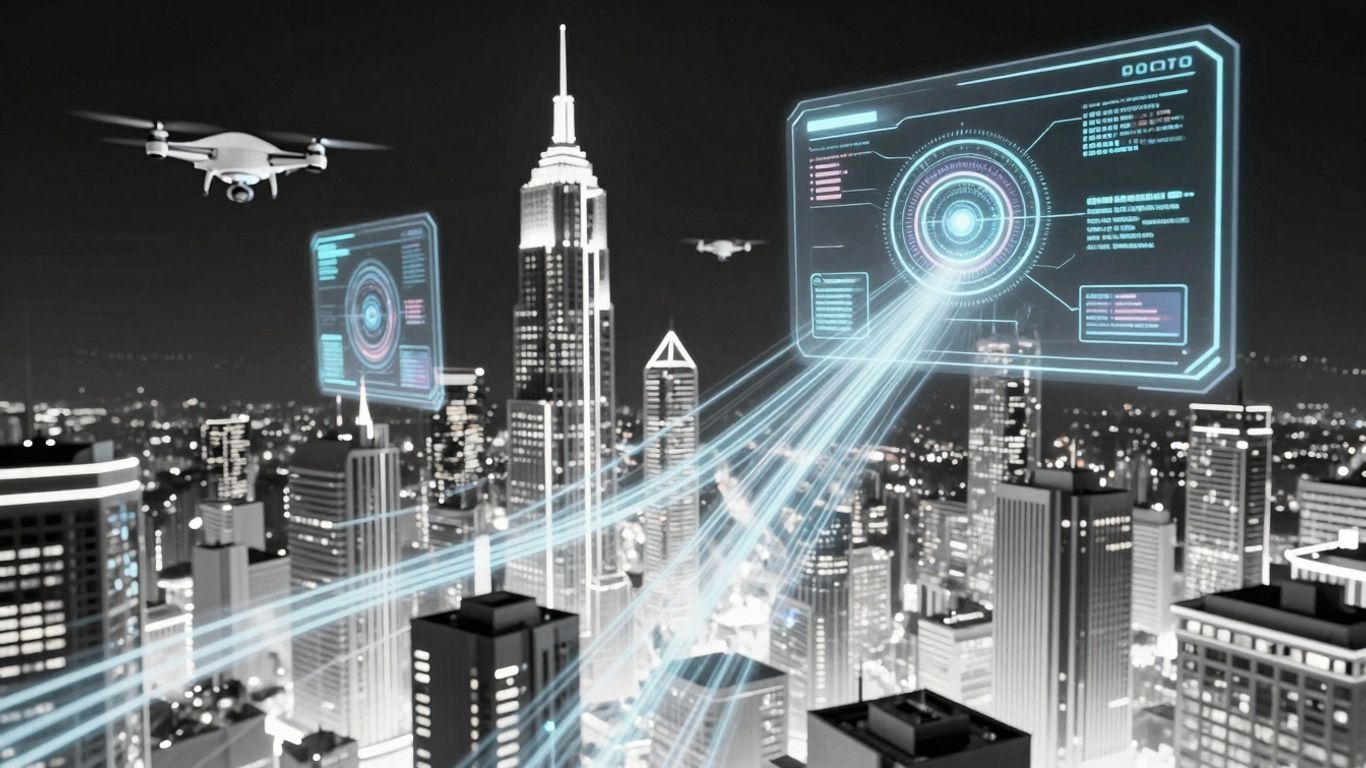
Data science and artificial intelligence (AI) are increasingly pivotal to the contemporary construction and strategic management of urban environments. This goes far beyond the mere integration of sophisticated gadgets; it's fundamentally about harnessing information to inform more intelligent decisions that positively impact every resident. Consider the sheer volume of data our cities generate instantaneously – from intricate traffic patterns and dynamic energy use to the nuanced ways people navigate their surroundings. Extracting meaningful insights from this deluge of information is precisely where data science proves indispensable. It empowers us to uncover critical trends and intricate patterns that would otherwise remain elusive.
Mapping Social Behavior with Urban Data
Among its most compelling applications is the utilization of urban data to gain a deeper comprehension of how individuals inhabit and interact within a city's confines. Through the meticulous analysis of anonymized datasets—such as aggregated cell phone location information, for instance—researchers can meticulously map complex social behaviors and patterns of human mobility. Crucially, this endeavor is not about individual surveillance; rather, it aims to illuminate overarching macroscopic trends. For instance, discerning common gathering points or predominant commuting patterns can equip city planners with invaluable insights for strategically siting new parks, optimizing public transport routes, or even enhancing the efficacy of emergency service deployments. Ultimately, it’s about architecting urban environments that demonstrably better serve their resident populations.
- Pinpointing high-traffic pedestrian zones to facilitate superior sidewalk and pathway planning.
- Scrutinizing commute patterns to precisely optimize public transit schedules and routes.
- Gaining insight into social gathering spots to judiciously inform community resource allocation strategies.
The ability to visualize and analyze complex urban datasets empowers a significantly more informed approach to urban planning, transitioning from mere conjecture to robust, data-driven strategies capable of profoundly improving residents' daily lives.
AI's Role in Building Resilient Urban Environments
Artificial intelligence, too, plays an increasingly crucial role in bolstering urban resilience. This inherent capability allows cities to more effectively anticipate, react to, and recuperate from unforeseen events—be they catastrophic natural disasters such as floods or more routine disruptions like power outages. AI systems possess the capacity to predict potential vulnerabilities and propose preventative measures or strategies to mitigate their impact. For example, AI can continuously monitor critical infrastructure for tell-tale signs of wear and impending failure, long before a crisis erupts; or, indeed, optimize resource allocation with remarkable efficiency during an emergency scenario. Such a proactive methodology is absolutely indispensable for ensuring cities operate seamlessly, even amidst adversity. The Smart City Expo USA—with key segments like Tomorrow.City USA illuminating future directions—serves as an excellent venue to observe the development and robust discussion surrounding these transformative technologies.
Generative Design for Citizen-Led Urban Visions
A truly captivating development is how AI is increasingly facilitating more direct citizen engagement in the co-creation of their urban landscapes. Generative design tools, ingeniously powered by artificial intelligence, empower individuals to visualize—and even autonomously craft—their unique ideas for urban spaces. Envision, for a moment, inputting your aspirations for a new park or a community center, and having AI intelligently assist you in generating a diverse array of design options. This innovative approach has the potential to foster urban planning that is both remarkably creative and profoundly community-centric. It inherently shifts the traditional power dynamic, affording residents a significantly more active and influential role in the evolution of their own neighborhoods. Such a collaborative process can indeed culminate in urban environments that authentically mirror the nuanced needs and deeply held aspirations of their inhabitants.
| Technology Type | Application Area | Potential Impact |
|---|---|---|
| AI Algorithms | Traffic Management | Diminished congestion, enhanced travel efficiency |
| Machine Learning | Energy Grid Optimization | Reduced energy wastage, bolstered power supply stability |
| Computer Vision | Public Safety Monitoring | Expedited incident response, elevated situational awareness |
Building Smarter, More Resilient Communities
Creating cities that can handle whatever comes their way represents a paramount objective. This imperative extends beyond the mere acquisition of cutting-edge gadgets; it's intrinsically about fortifying our communities' capacity to recuperate from adverse periods—be they natural disasters or unforeseen economic shifts. Consequently, this necessitates a keen examination of how technology can comprehensively assist in preparation, response, and recovery efforts.
Enhancing Quality of Life Through Urban Technology
Smart city tech is hardly a superficial display. Its fundamental purpose is to meaningfully enhance the daily lives of all inhabitants. Consider, for instance, intelligent traffic light systems that dynamically adjust based on real-time conditions to significantly reduce commute durations, or public transport applications that furnish impeccably accurate arrival information. Such innovations represent straightforward, yet remarkably effective, avenues through which technology can elevate our quotidian routines. The goal is to use these tools to make cities more livable and efficient. Indeed, we observe cities deploying sophisticated sensors to meticulously monitor air quality and issue timely alerts to residents, or implementing smart lighting systems that both conserve energy and significantly augment safety during nighttime hours. Ultimately, it centers on practical applications that exert a tangible, direct impact on our experiential engagement with urban spaces.
Strengthening Community Resilience to Hazards
When disaster strikes, a resilient community distinguishes itself by its capacity to rapidly recuperate. Smart technologies are, in this context, absolutely instrumental. Advanced early warning systems for phenomena such as floods or earthquakes can afford citizens invaluable time for crucial preparation. Furthermore, robust data analytics empower city planners to identify the most vulnerable areas and strategically optimize resource allocation during emergency situations. Post-event, ensuring the continuity of communication networks is paramount, and smart infrastructure can play a pivotal role in preserving these vital links. Ultimately, the objective is to engineer systems capable of enduring—and even absorbing—significant shocks and stresses.
Here's a look at some key areas for building resilience:
- Early Warning Systems: Leveraging advanced sensors and comprehensive data analysis to forecast and promptly alert citizens to impending hazards.
- Smart Infrastructure: Engineering roads, bridges, and essential utilities with inherent resilience to extreme weather events and expedited recovery capabilities.
- Communication Networks: Guaranteeing robust and dependable communication channels for both emergency services and the broader public.
- Resource Management: Employing data-driven insights to efficiently distribute critical aid and strategically manage recovery operations.
Building resilience is not a singular, definitive solution; it represents an continuous, iterative process of adaptation and refinement. This demands foresight—proactively anticipating and planning for the unforeseen—while strategically employing technology as an indispensable tool to safeguard citizens and uphold critical services.
The Intersection of Health, Wellbeing, and Smart Cities
The intricate tapestry of our health and overall wellbeing within communities is profoundly intertwined with the urban environment itself. Intelligent cities possess the unique capacity to actively foster and enhance these critical aspects. Envision, if you will, wearable devices meticulously monitoring personal health metrics and promptly alerting healthcare providers to emergent issues, or intelligent buildings dynamically optimizing air quality and lighting to cultivate superior occupant wellbeing. Public health initiatives, furthermore, can attain heightened efficacy through data-driven insights tailored to specific community requirements. The overarching objective is to architect urban spaces that not only operate with exemplary functionality but also actively champion a healthy and deeply fulfilling life for every resident. This expansive vision encompasses everything from readily accessible green spaces to highly efficient healthcare delivery systems—all seamlessly bolstered by smart technology. Indeed, there's a discernibly growing interest in how technology can profoundly support sustainable urban environments and, by extension, the flourishing populations residing within them.
The Smart City Expo USA Ecosystem
Connecting Industry Leaders and Innovators
Smart City Expo USA is not merely a conference; rather, it serves as a pivotal convergence point. One might well consider it a central nexus where the multifaceted stakeholders of the smart city landscape converge. This includes discerning city officials keenly aware of their communities' needs, innovative technology companies showcasing the latest advancements in hardware and software, astute researchers exploring future paradigms, and forward-thinking investors seeking promising ventures. It is an environment where meaningful dialogues unfold, strategic partnerships are forged, and pioneering projects are initiated. The real magic happens when these diverse groups start talking and working together.
Showcasing Cutting-Edge Technologies
Here, attendees are presented with an unparalleled opportunity to witness the cutting-edge and truly groundbreaking. The expansive expo floor teems with dynamic demonstrations of the most recent smart city solutions. From sophisticated traffic management systems capable of optimizing complex urban grids to novel methodologies for energy and waste management, the breadth of innovation is comprehensive. Prospective visitors will encounter enterprises unveiling their advancements in key domains, such as:
- Advanced smart grids and seamless renewable energy integration
- Internet of Things (IoT) devices meticulously designed for enhanced public safety and critical infrastructure monitoring
- Sophisticated data analytics platforms tailored for strategic urban planning
- Innovative sustainable transportation solutions
- Pioneering digital twin technology facilitating comprehensive city modeling
It offers a unique opportunity to engage directly with the instrumental tools currently shaping the trajectory of our urban centers.
Driving Progress Through Research and Policy
Beyond the captivating technology demonstrations, Smart City Expo USA provides a vital forum for substantive discourse on optimizing urban environments. Attendees will discover engaging sessions where esteemed academics unveil their latest research findings concerning urban data science and the pivotal role of AI in fostering city resilience. Additionally, thought-provoking panels convene policymakers and industry luminaries to deliberate on the most effective strategies for technological implementation and the establishment of supportive regulatory frameworks that champion innovation. Ultimately, it endeavors to bridge the gap between theoretical insights gleaned from laboratories and academic research with the tangible practicalities of urban governance and meticulous city planning.
The overarching objective is to meticulously craft urban environments that genuinely serve everyone, employing technology as an enabling instrument, rather than as an end in itself. This fundamentally entails a rigorous consideration of who truly benefits, and how we can, consequently, construct communities that are simultaneously intelligent and equitable.
This dynamic confluence of industry, academic research, and policy dialogue distinctively positions the expo as an unparalleled environment for propelling smart city development into the future.
Looking Ahead: Building Tomorrow's Cities, Today
The discussions and innovations showcased at events like Smart City Expo USA 2025 underscore a definitive trajectory for advancement in American cities. This endeavor transcends mere technological novelty; it fundamentally concerns the judicious application of these instruments to forge urban spaces that genuinely elevate the human experience for all. From ensuring that nascent urban developments are characterized by fairness and inclusivity, to engineering infrastructure capable of addressing future exigencies, the emphasis is demonstrably gravitating towards pragmatic, human-centric solutions. The palpable energy and wealth of ideas disseminated at these critical gatherings evince an unwavering commitment to progress, thereby affirming that through collaborative endeavor, cities throughout the U.S. can evolve into entities that are not only smarter and more sustainable, but indeed, comprehensively prepared for the challenges and opportunities of tomorrow.
Frequently Asked Questions
What is Smart City Expo USA?
Smart City Expo USA is a premier annual event where thought leaders converge to discuss and showcase innovative strategies for making cities better. Essentially, it serves as a vital forum for city leaders, technology experts, and innovators to exchange insights on how technological advancements can foster smarter, more sustainable, and ultimately more livable urban environments for all.
Why are smart cities important?
Smart cities strategically use technology to address urban challenges and elevate the quality of life for their inhabitants. This can mean facilitating smoother transportation, optimizing energy consumption, preserving environmental integrity, and ensuring a high quality of life for every resident. The overarching goal is to enhance urban functionality in preparation for future demands.
What kind of new technologies are shown at the expo?
Attendees will encounter a diverse array of groundbreaking technologies! This encompasses innovations such as advanced traffic management solutions, energy-efficient systems, data-driven tools for comprehending urban mobility patterns, and novel, environmentally sound construction methodologies. Ultimately, it showcases the vanguard of inventions designed to empower and optimize urban centers.
How do smart cities help the environment?
Smart cities often prioritize ecological sustainability. They leverage technology to significantly mitigate pollution, conserve vital water and energy resources, and optimize waste management practices. The objective is to foster urban functionality that is environmentally benign, thereby ensuring their long-term viability.
Who goes to Smart City Expo USA?
A wide spectrum of professionals and stakeholders attends! This includes prominent city mayors and officials, visionary technology innovators, influential business leaders, esteemed university professors, and dedicated community advocates. It stands as a crucial forum for all individuals actively engaged in shaping the future of urban environments to converge and collaborate.
What does 'equitable urban futures' mean?
This means ensuring that as urban centers advance technologically and adopt smarter solutions, the benefits are universally distributed. It is about guaranteeing that all new developments and technological innovations genuinely assist every individual, irrespective of their socio-economic background, fostering urban environments that are inherently equitable and desirable places for all to reside.


