
resources
Understanding How Mayors Are Elected: A Guide to Local Governance
15 Mar 2026

Have you ever paused to consider how your town or city selects its primary leader? It's often more nuanced than simply casting a ballot for a familiar name. Indeed, the methodology by which mayors are elected can fundamentally reshape a city's governance. This guide meticulously examines the diverse systems and their implications for local administration, aiming to help you gain a deeper understanding of how critical decisions are made right within your own community. We will explore the various responsibilities mayors undertake, their election processes, and how their authority is structured.
Key Takeaways
- Grasping the intricacies of mayoral elections is pivotal for comprehending local government. The chosen electoral system can significantly influence both who attains office and the extent of power they wield.
- Mayors' roles and powers vary considerably, contingent on a city's governmental structure—such as mayor-council or council-manager systems.
- Elections can operate 'at-large,' where all eligible voters cast ballots for all seats, or 'district-based,' where citizens vote for representatives within their specific geographic area.
- Some elections are 'partisan,' indicating candidates run under a recognized political party affiliation, while others are 'non-partisan,' prioritizing the individual candidate's qualifications over party labels.
- A mayor's influence can span from direct management of budgets and staff appointments to a purely ceremonial role, depending on whether the system is defined as 'strong' or 'weak' mayoral.
Understanding The Role Of A Mayor
Historical Evolution Of The Mayor's Office
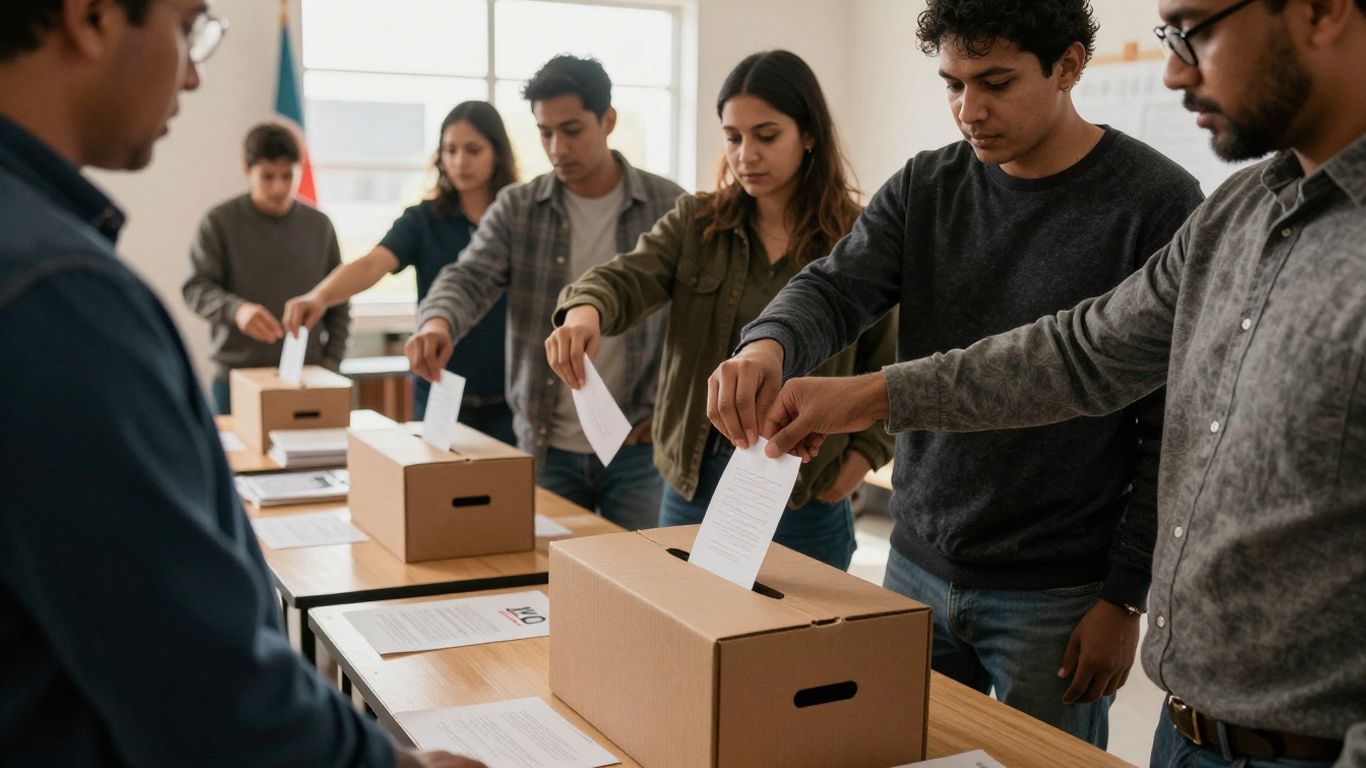
The position of mayor is, in fact, remarkably ancient. Its origins can be traced to 13th-century England, where it was first established to facilitate the administration of small towns. When English settlers immigrated to North America, they naturally transplanted this foundational system. Initially, the prevailing philosophy emphasized a dispersion of power, consequently, mayors often held limited authority. Early Americans, it must be noted, demonstrated a distinct reluctance to consolidate excessive power in any single individual. Over time, however, a gradual transformation began to unfold. As towns expanded and their complexities grew unmistakably clear, the increasing necessity for a more centralized figure in local government became apparent. A significant number of localities evolved from mayoral appointments to popular elections, seeking to strike a crucial balance between a stronger leader and robust accountability.
Modern Mayoral Responsibilities And Duties
Today, the precise scope of a mayor's duties can vary considerably depending on the specific city or town. In many places, the mayor functions as the chief executive, overseeing the day-to-day operations of the municipality. This often includes managing the city's budget—a responsibility of considerable magnitude. They may also be tasked with appointing individuals to lead various city departments—e.g., police, fire, public works, and various other essential services. It's also common for mayors to serve as the primary public representative for the municipality, representing it at official events and engaging with other governmental tiers.
Here's a general overview of what mayors frequently handle:
- Budget Management: Preparing, proposing, and sometimes approving the city's annual budget.
- Department Oversight: Supervising the various departments that keep the city running.
- Policy Implementation: Working to put into action the laws and policies passed by the city council.
- Public Representation: Acting as the primary spokesperson for the city.
- Appointments: Selecting individuals to lead key city offices and commissions.
Varying Levels Of Mayoral Power
It's crucial to recognize that not all mayoral offices wield comparable authority. Some mayors possess substantial authority, while others command considerably less. This distinction is largely contingent upon how the city's government is structured. In certain cities, the mayor serves as the primary decision-maker, exercising significant control over the budget and municipal staff. In contrast, other cities may assign the mayor a more ceremonial role, with the preponderance of actual power residing with the city council or an appointed city manager.
The structure of local government significantly shapes the mayor's influence. Whether a mayor is considered 'strong' or 'weak' often comes down to the specific powers granted by the city charter and state law, affecting everything from budget control to the ability to appoint key personnel.
Consider it this way:
- Strong Mayor: Often has the power to veto council decisions, appoint department heads without much council interference, and manage the city budget directly.
- Weak Mayor: May have limited veto power, or none at all. Department heads might be appointed by the council, and the mayor's role might be more about presiding over meetings or representing the city at events.
Forms Of Local Government And Mayoral Systems
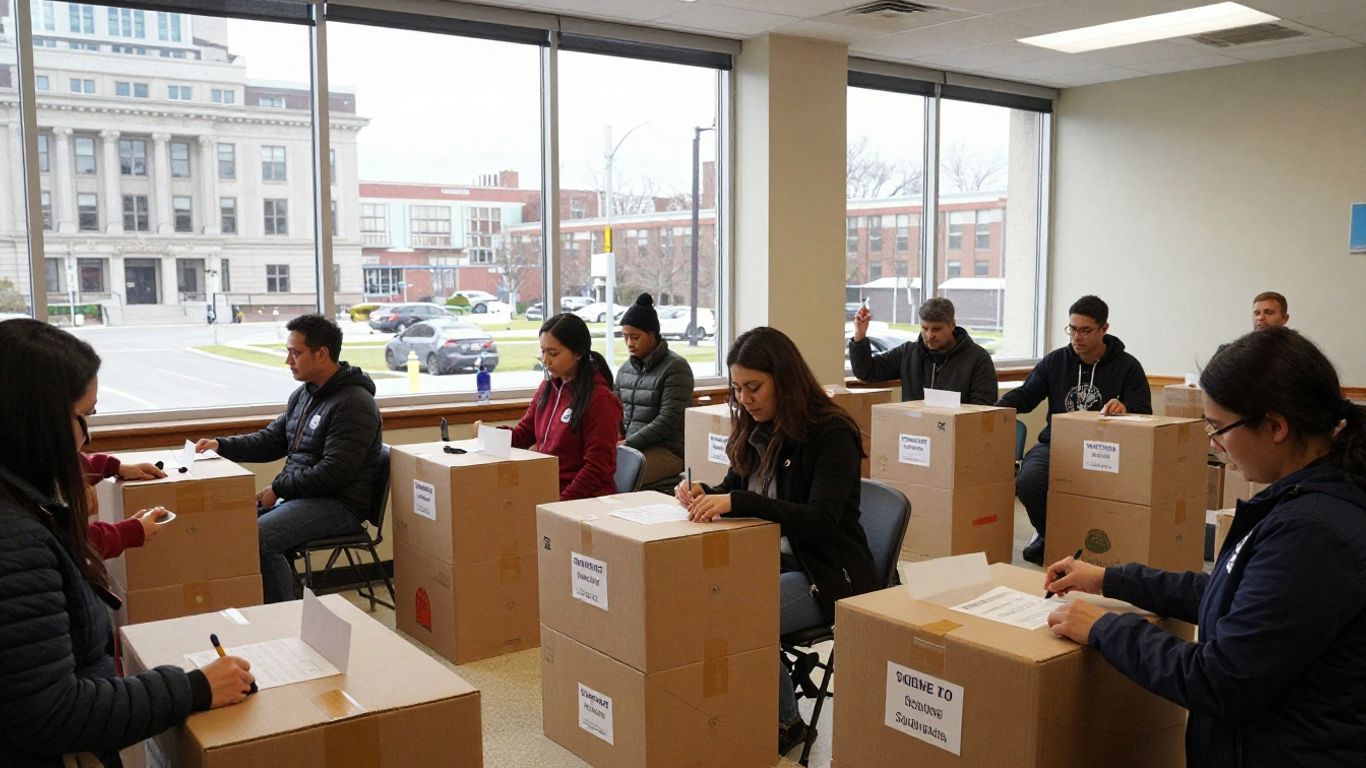
When discussing how mayors are elected and what their responsibilities entail, it's vital to bear in mind that municipalities across the globe operate under diverse administrative frameworks. The inherent structure of local government itself exerts a profound influence on defining the mayor's specific role. Consider the analogy of various architectural blueprints for homes—some feature an expansive communal living area where everyone gathers, while others are characterized by more distinct, specialized zones. The way a city is organized fundamentally dictates the distribution of authority and the mechanisms of decision-making.
The Mayor-Council Structure
This organizational setup is arguably the most prevalent. In a mayor-council system, two principal components exist: the mayor, who acts as the chief executive, and the city council, which functions as the legislative body. They operate in conjunction, but the precise balance of power between them can vary considerably. This structure can be further delineated into two primary archetypes:
- Strong Mayor System: Here, the mayor possesses significant executive power. They often have the capacity to veto legislation passed by the council, appoint department heads, and wield substantial influence over the city's budget. This arrangement positions the mayor as a central figure in the city's administration.
- Weak Mayor System: In stark contrast, a weak mayor often has predominantly ceremonial duties. While they may be a member of the council, perhaps even presiding over it, their executive authority is limited. The council typically holds more sway in this structural configuration.
Council-Manager Systems
This form of government adopts a distinct approach. Rather than the mayor serving as the primary executive, the city council engages a professional city manager. This manager is entrusted with the day-to-day operations of the city, overseeing departments and staff. The mayor in this system often serves as the head of the council and acts as the public face of the city, but their administrative power is typically less extensive than in a strong mayor-council system. Essentially, the council establishes policy, and the manager is responsible for its execution.
Town Meeting Governance
This represents a more traditional, direct form of democracy, commonly observed in smaller towns, particularly within New England. In a pure town meeting, all eligible voters convene to deliberate upon and vote on local issues and budgetary allocations. It offers a very hands-on avenue for citizen participation. A variation is the Representative Town Meeting, where citizens elect representatives to make these decisions on their behalf. While this system undeniably allows for direct citizen involvement, achieving broad participation on every issue can sometimes present challenges.
The structure of local government isn't just an administrative detail; it directly impacts how citizens interact with their government and how effectively services are delivered. Understanding these different forms is key to understanding the mayor's role within them.
How Mayors Are Elected: Systems And Processes
Consequently, the pathway to assuming mayoral office—how, precisely, does one achieve this role? It is often far more intricate than merely expressing an aspiration for the position. The method by which mayors are elected is largely contingent upon the specific city or town and its adopted form of government. There are several predominant methodologies through which this occurs, and comprehending them provides crucial insight into the allocation of local governmental authority.
Understanding At-Large Voting Systems
In an at-large election, everyone in the city is entitled to cast a ballot for all council members, and occasionally for the mayor directly, if the position is also at-large. To conceptualize this, instead of selecting a representative solely for your specific residential area, you are choosing representatives on a city-wide basis. This system can sometimes make it harder for smaller groups or minority communities to get their preferred candidates elected, primarily because their votes may become diluted and subsequently overpowered by the majority. It's comparable to the challenge of making one's distinct voice heard amidst a large, collective clamor.
District-Based Elections
This approach stands in direct contrast to the at-large method. Here, the city is geographically segmented into distinct areas, or districts, with each district electing its own representative. If the mayor is elected separately, their election might still occur city-wide, but council members are chosen by voters within their specific district. This often means that candidates can more effectively concentrate on issues pertinent to their local area, and constituents might feel a stronger connection to their representative, given their shared neighborhood. Furthermore, it can facilitate the election of candidates from diverse communities within a city who possess a deeper understanding of their specific needs.
Partisan Versus Non-Partisan Elections
This represents a rather significant distinction. In partisan elections, candidates are officially affiliated with a recognized political party, such as Democrat or Republican, and their party label is usually prominently displayed on the ballot. The election is frequently framed as a contest between these established parties. Non-partisan elections, on the other hand, mandate that candidates run without any official party designation. The focus is ostensibly placed on the individual candidate and their qualifications, rather than their party affiliation. Indeed, the vast majority of municipalities opt for non-partisan elections for their local offices, including mayors. This approach is generally believed to foster a greater focus on community-specific concerns, rather than diverting attention towards broader national party affiliations.
Here's a quick look at the prevalence:
| Election Type | Percentage of Municipalities |
|---|---|
| Non-Partisan | Over 75% |
| Partisan | Less than 25% |
The method of election, whether at-large or by district, and whether it's partisan or non-partisan, significantly shapes who runs for office and who wins. It also influences how candidates campaign and what issues they prioritize. These systems aren't just technical details; they directly impact the representation and responsiveness of local government to its residents.
The Mayor's Influence On City Operations
So, what concrete impact does a mayor actually exert on the day-to-day running of a city? Their role extends far beyond ceremonial duties and public pronouncements—though these are, admittedly, integral aspects. The mayor's true influence frequently emanates from their capacity to mold how the city functions, encompassing everything from its finances to its policy frameworks. This influence is largely determined by the specific structure of the local government and the mayor's defined powers within it.
Budgetary Authority And Fiscal Management
One of the most significant ways a mayor impacts city operations is through their budgetary authority. In many municipalities, the mayor is responsible for preparing the annual budget proposal. This necessitates a thorough review of the needs of various city departments, strategic decisions regarding resource allocation, and subsequently, the presentation of a comprehensive plan to the city council. Even if the council retains ultimate approval, the mayor's proposed budget invariably sets the stage for all subsequent discussions. They often hold a significant sway in determining how taxpayer money is allocated, influencing everything from crucial infrastructure repairs to public safety initiatives.
- Reviewing departmental budget requests.
- Prioritizing city-wide spending.
- Presenting the proposed budget to the council.
- Negotiating budget details with council members.
Appointing Department Heads And Staff
Think of the mayor as the chief executive. They often have the authority to appoint—and, crucially, dismiss—key personnel who oversee the city's various departments, such as the police chief, the head of public works, or the city planner. These appointments are paramount, given that the individuals chosen will be instrumental in implementing the mayor's vision and the council's policies. It is a strategic way for the mayor to establish their leadership team and manage the city's operations effectively.
The power to appoint department heads means the mayor can surround themselves with individuals who share their priorities and approach to governance. This can significantly shape the direction and efficiency of city services.
Enforcing Legislation And Policy Implementation
Once the city council enacts laws and policies, it is often the mayor's responsibility to ensure their effective implementation. This entails directing city departments to adhere to new regulations, guaranteeing that municipal employees are operating in accordance with established guidelines and mandates, and overseeing the upholding of the city's laws. For instance, should a new ordinance pertaining to recycling be enacted, the mayor's office would collaborate with the sanitation department to facilitate its operationalization. This represents the practical dimension of governance—transforming concepts into tangible, on-the-ground action.
Distinguishing Strong And Weak Mayoralties
Characteristics Of A Strong Mayor
When we refer to a "strong mayor," we generally mean a mayor who possesses a substantial degree of direct executive power and operational responsibility in running the city. Think of them as the chief executive, much like a president is for a country. These mayors are typically elected directly by the voters, which bestows upon them a robust popular mandate. They frequently possess the authority to appoint—and, critically, to dismiss—department heads responsible for core municipal services, such as police, fire, and public works. A cornerstone of their influence derives from their management of the city's fiscal affairs; they often prepare the budget, subsequently presenting it to the city council for approval, thereby granting them considerable discretion over municipal expenditures. Furthermore, a significant number of strong mayors are endowed with veto power, enabling them to reject legislation approved by the city council and, in turn, compelling the council to either reconsider or potentially override the veto, often requiring a supermajority.
Defining A Weak Mayor's Role
Conversely, a "weak mayor" has a role that is predominantly symbolic or ceremonial in nature. In these systems, the actual authority typically resides with the city council or a city manager appointed by the council. The mayor might be elected, but sometimes they're selected from among the council members themselves. Their duties are often circumscribed to presiding over council meetings, representing the city at events, and perhaps acting as a spokesperson. They generally do not possess the power to appoint or dismiss department heads, and fiscal oversight is typically minimal or, indeed, entirely absent. The prerogative of veto power is also seldom granted to weak mayors. Their function leans more towards that of a figurehead rather than an active chief administrator.
Impact On City Governance
The distinction between a strong and weak mayor can profoundly alter the operational dynamics of a municipality. A strong mayor system can lead to expedited decision-making processes and a more cohesive civic vision, given the centralized executive authority. However, it also risks a concentration of power, potentially leading to discord if the incumbent mayor proves ineffective or is perceived as exceeding their mandate. A weak mayor system, on the other hand, often fosters a more collaborative decision-making environment and an enhanced role for the city council. This can cultivate greater consensus-building, though it could also lead to protracted progress or, in instances of council division, a perceived deficit of clear leadership. Ultimately, the suitability of either model is predicated upon the specific local government framework a city has chosen to adopt.
Here's a quick look at the key differences:
- Appointment Power: Strong mayors often appoint department heads; weak mayors usually do not.
- Budget Control: Strong mayors typically have significant influence over the budget; weak mayors have little to none.
- Veto Power: Strong mayors may have veto power over council legislation; weak mayors generally do not.
- Executive Role: Strong mayors act as chief executives; weak mayors often have more ceremonial duties.
The structure of a city's government, particularly the division of power between the mayor and the city council, directly shapes the day-to-day management and long-term direction of municipal services and policies. Understanding these distinctions is key to grasping how local leadership functions.
The Mayor's Relationship With The City Council
Shared Authority and Decision-Making
The mayor and the city council typically collaborate, yet their respective roles can, at times, exhibit areas of overlap or even contention. One might conceptualize this dynamic as a partnership where both sides hold vital responsibilities, necessitating mutual agreement on operational strategies. The council is generally tasked with fundamental policy-making, such as enacting legislation and establishing the municipal budget. The mayor, on the other hand, is widely regarded as the chief executive, responsible for implementing those decisions and overseeing the city's daily administrative functions.
However, the demarcation between their functions isn't always distinct. On occasion, the council may, on its own accord, seek involvement in day-to-day operational matters—which the mayor could perceive as an infringement upon executive purview. Such scenarios frequently engender disagreements, particularly concerning the appointment or dismissal of municipal personnel. The council might possess the power to confirm certain appointments, meaning they can either ratify or reject the mayor's proposed selections. Other times, they might be limited to expressing their reservations.
Legislative Power and Veto Authority
In many cities, the mayor possesses the authority to assent to or reject legislation passed by the city council. This prerogative is termed 'veto power'. Should the mayor find a particular piece of legislation objectionable, they possess the capacity to veto it, returning it to the council for reconsideration. The council might then have an opportunity to override this veto, though this typically requires a supermajority vote, signifying that a substantial number of council members must concur.
This veto power grants the mayor considerable influence over the eventual enactment of legislation. It serves as a mechanism for the mayor to shape policy, even if the council remains the primary legislative body. However, the extent of this power can, of course, vary significantly from one municipality to another.
Collaboration and Public Representation
Notwithstanding potential areas of discord, collaboration between the mayor and the council is paramount for the efficient functioning of a municipality. They collectively serve as public representatives, albeit through distinct modalities. Council members are frequently elected from specific geographic areas or districts, thereby representing the constituents within those defined locales. The mayor, conversely, is typically elected city-wide, and is generally perceived as the principal spokesperson for the entire municipality.
Consequently, the mayor often assumes a prominent role in public appearances, engaging with the media, and representing the city at various official functions. They can utilize this public platform to advocate for policies they champion, even if ultimate implementation necessitates council approval. A constructive working relationship, therefore, facilitates open discourse, the identification of common ground, and the presentation of a unified stance to the public.
The dynamic between a mayor and city council is a constant balancing act. While one might propose and the other execute, their shared goal is the betterment of the community they serve. Understanding these distinct yet interconnected roles is vital for appreciating how local government functions.
Wrapping Up: Your Mayor and Your Town
In conclusion, we have examined how mayors attain their positions and what their actual responsibilities entail. It is evident that mayoral roles are not uniformly defined across all municipalities. Some mayors wield substantial authority, managing budgets and city departments, while others serve primarily as the public face of the municipality, with less day-to-day operational control. Understanding these differences—and how your own mayor is chosen, whether through direct votes or alternative methods—is a fundamental aspect of comprehending your local government's operations. Ultimately, the essence lies in the distribution of authority and the locus of final decision-making power. Should you, in the future, find yourself pondering a municipal decision, recall that the method of mayoral election profoundly influences its execution.
Frequently Asked Questions
What exactly does a mayor do?
A mayor functions as the principal leader of a city or town. They often oversee crucial municipal departments, such as police and fire services. Mayors also assist in managing the city's finances by working on the budget and are frequently empowered to appoint individuals to lead various city offices. Think of them as the chief executive, responsible for ensuring smooth daily operations.
Are all mayors the same, or do their powers differ?
Not at all! Mayors can possess significantly different levels of authority. Some are categorized as 'strong,' meaning they exert considerable influence over decisions, can veto legislation passed by the city council, and largely control the budget. Others are 'weak' mayors, who may fulfill a more ceremonial role with less direct power over municipal operations.
How do cities decide if they want a strong or weak mayor?
This decision is largely contingent upon the city's established governmental structure. Some cities prefer a strong mayor to provide clear leadership in daily tasks and major decisions. Other municipalities might opt for a stronger city council with a mayor holding less executive power, thereby sharing responsibilities. It fundamentally comes down to balancing power and the community's preference for who should ultimately make critical decisions.
What's the difference between how mayors are elected in different cities?
Municipalities employ various electoral methods. Some elect mayors 'at-large,' which means all citizens across the city vote for the mayor. Others utilize 'district-based' elections, where different segments of the city vote for their own representatives, who may then contribute to the mayoral selection or influence mayoral decisions. Additionally, elections can be 'partisan,' indicating candidates are affiliated with a political party, or 'non-partisan,' where party labels are not utilized on the ballot.
What is a 'council-manager' system, and how does the mayor fit in?
In a council-manager system, the city council typically serves as the primary decision-making body, and they hire a professional 'city manager' to handle the city's day-to-day administration. The mayor in this setup often presides over the council and acts as the public representative for the city, but they do not possess as much direct executive power as a mayor in a mayor-council system.
Can mayors make laws or just enforce them?
Mayors generally do not unilaterally create laws; that responsibility typically falls to the city council. However, mayors play a significant role in the legislative process. They might propose new ideas, sign laws that the council has passed, or even veto them, sending them back for further consideration. So, while they don't originate legislation, they exert considerable influence over what ultimately becomes official city policy.


