


business resources
Warehouse Storage Upgrades That Improve Operational Control
15 Jan 2026

Modern warehouses are under pressure to move faster and stay accurate. Space is tight, labor is costly, and inventory needs to be right the first time.
The smartest path is to treat storage as a control system - not just a place to park pallets. Here are practical upgrades that tighten oversight, boost capacity, and make daily decisions easier.
Why Storage Upgrades Matter For Control
Storage is where chaos either starts or stops. Slotting, labeling, and physical access drive scan quality, travel time, and order accuracy.
When storage is built for visibility, leaders can quickly identify exceptions, set tighter reorder points, and maintain product flow in the correct sequence. Ceiling height is unused money.
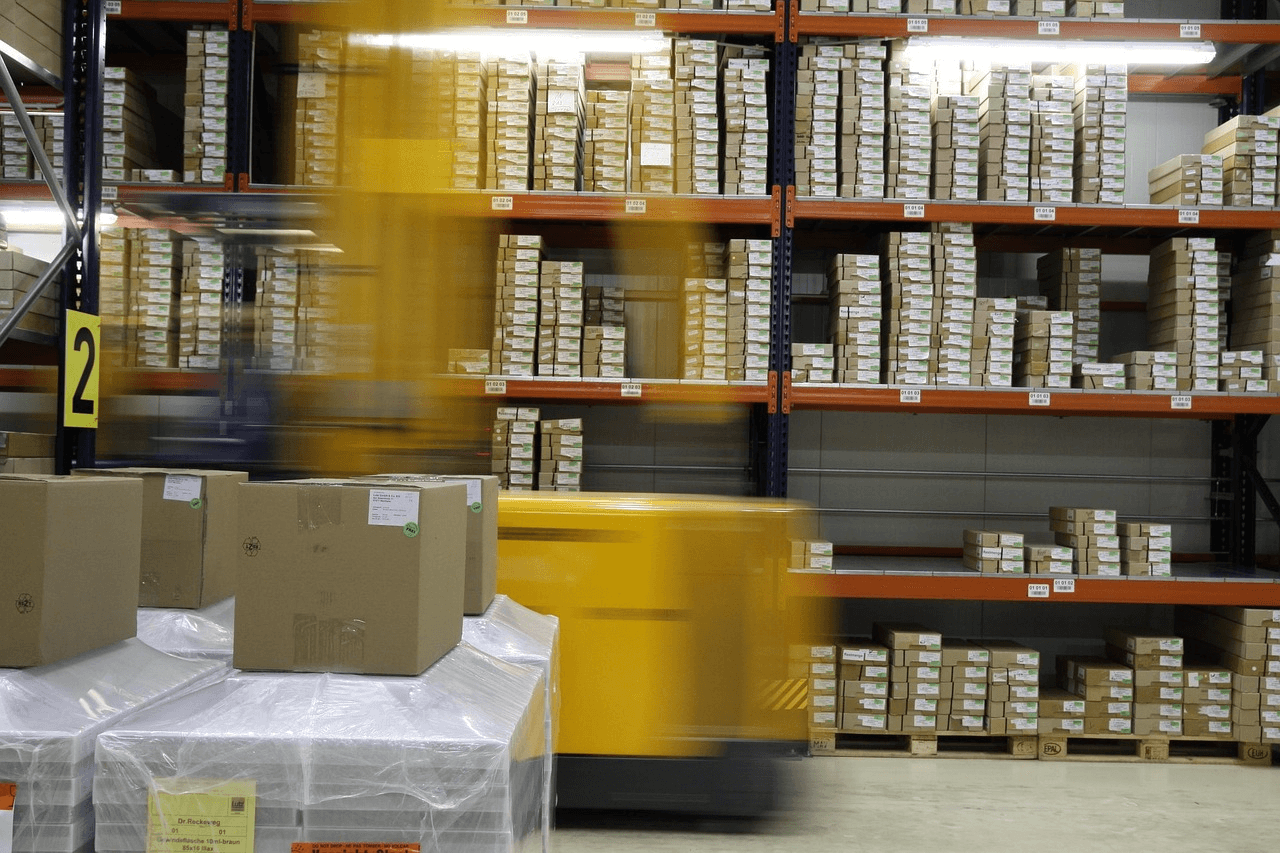
Many facilities hold more air than they have in inventory. Investing in vertical storage solutions for warehouses turns headroom into organized lanes of SKUs and parts. The payoff is stronger location control, shorter pick paths, and better counts.
Add simple guides like aisle identifiers and shelf LED cues to keep velocity items within easy reach.
Automate Inside The Aisle
Automation does not have to start with a giant retrofit. It can begin right in the aisle with shuttles, carousels, or lift modules that bring goods to the person.
A state agency recently expanded a liquor warehouse with an automated storage and retrieval system and dual cranes, showing how automated lifts can multiply pallet positions without expanding the footprint.
That kind of upgrade stabilizes replenishment, limits congestion, and keeps cycle counts tight by reducing human touches.
Choosing The Right Mechanism
Match the mechanism to the SKU profile. Fast movers need quick access and dense replenishment lanes. Slow movers can live in deeper, automated bays that prioritize accuracy over speed. Keep the integration simple - WMS-directed putaway and pick tasks should feed the equipment, not the other way around.
Tighten Labor Control At The Source
Labor is the biggest lever on warehouse variance. Cost pressure is real, so the best way to protect the budget is to remove wasted motion.
A recent industry benchmark reported labor cost acceleration rose 7.2% in Q1 2024 compared with the same quarter in 2023, reminding leaders that idle travel and rescans add up quickly.
Storage upgrades that place high-velocity SKUs near docks, standardize totes, and use touch-minimizing equipment keep labor focused on value work.
Build For Accuracy And Cycle Count Discipline
Accuracy lives in the bin. Choose location sizes that fit the SKU, then label every face at human and scanner height. Use fixed pick faces with overflow in reserve to avoid mixing.
Schedule continuous cycle counts by ABC class and lock locations during audits, so variances are resolved at the source. Even small steps - like adding mirrored check digits on both the bin and tote - can cut mis-scans and rework.
Design For Safer, Simpler Work
Safer storage is steadier storage. Ergonomic pick heights, cart stops, and anti-slip grating reduce fatigue and errors.
National data shows transportation and warehousing employ millions of workers, which makes injury prevention a major control objective.
Put heavy SKUs between knee and chest height, route traffic one way, and separate pedestrian lanes with rail. A clean layout is not just nice to have - it is a control that limits accidents, claims, and downtime.
Quick Wins For The Next Quarter
- Convert dead headroom by adding high-bay shelving or lift modules in a pilot zone.
- Reslot the top 50 SKUs by velocity and cube to reduce travel and touches.
- Add location check digits and post them at eye level for scan confirmation.
- Standardize totes and pallet heights to stabilize stack patterns and scanning.
- Create a daily, 30-minute cycle count window and lock audited bins in the WMS.
- Stage replenishment early - preload fast-mover faces before peak waves.
Plan For Data Flow, Not Just Material Flow
Every storage change should produce better data. Define how each upgrade will feed the WMS with cleaner timestamps and location events.
Use simple dashboards that track dwell time by zone, count accuracy by class, and replenishment SLA compliance. When leaders can see these signals in real time, they can correct before issues snowball into backorders.
Case Example Principles You Can Reuse
Treat successful projects as templates. When one site proves that vertical storage and automated lifts can expand capacity with tighter control, reuse the slotting rules, labeling standards, and safety cues at sister facilities.
Keep the playbook small and visual - photos of bins, diagrams of pick faces, and step-by-step replenishment tasks will transfer better than long SOPs.
Upgrading storage is not just a capital project - it is a control project. Start with vertical space, automate where it reduces touches, and lock in accuracy with simple labels and count routines.
As labor stays focused and inventory data gets cleaner, the whole operation runs steadier, orders ship on time, and you get more work done inside the same four walls.


