
business resources
What's the Best Way to Get Financial Help?
30 Dec 2025

Facing financial difficulties can be overwhelming, but figuring out the avenues available to get financial help is truly the first step toward stability. This guide explores a variety of options—from government programs to your personal network and professional advice—to help you navigate your situation and find the support you really need. It's so important to approach seeking assistance with clarity and a solid plan.
Key Takeaways
- Start by taking an honest look at your current financial situation to pinpoint specific needs and acknowledge the emotional toll of financial strain.
- Dig into government assistance programs by using available tools to find benefits you might be eligible for, especially for major life events.
- Lean on your community and social support, including friends and family, by communicating openly about your needs and showing gratitude for their help.
- Make the most of online fundraising platforms by sharing your story effectively, setting realistic goals, and understanding how crowdfunding can offer real financial relief.
- Seek out professional financial guidance from counselors to learn better money management skills and build a solid plan for your financial recovery.
Understanding Your Financial Needs
Before you start seeking any form of financial assistance, it’s crucial to get a clear picture of your current financial standing. Think of this self-assessment as the foundational step toward finding the right solutions.
Assessing Your Current Financial Situation
Take a moment to honestly evaluate where your money is going. This involves looking at your income from all sources and then detailing every single one of your expenses. Creating a budget can be incredibly helpful here, and it doesn't have to be complicated; a simple spreadsheet or even a notebook will do the trick. The goal is simply to see the flow of money—what's coming in and what's going out. This clarity is the foundation for making informed decisions about your finances.
- Track all income sources: This includes wages, benefits, or any other money you receive.
- List all expenses: It helps to categorize them into fixed costs (like rent or mortgage) and variable costs (like groceries or entertainment).
- Identify spending patterns: Take a look at where your money is actually being spent versus where you think it's going. You might be surprised.
Remember, understanding your financial landscape isn't about judgment; it's about gaining awareness. This knowledge is power when you start looking for ways to improve your situation.
Identifying Specific Areas Requiring Support
Once you have a handle on your overall financial picture, you can pinpoint the exact areas where you need help. Are you struggling to cover basic living expenses like rent and utilities? Is there a specific debt that's causing significant stress? Perhaps it's a one-time emergency—like unexpected medical bills or a car repair—that has thrown your budget completely off track. Being specific will help you target the most effective forms of assistance. For instance, if you're facing a utility shut-off, you'll look for different resources than someone needing help with student loan payments. You can also explore options for managing your money more effectively.
Recognizing the Emotional Impact of Financial Strain
Let's be honest, financial difficulties can take a significant toll on your mental and emotional well-being. It's perfectly normal to feel stressed, anxious, or even ashamed when facing money problems. Acknowledging these feelings is a vital part of the process. Sometimes, the emotional burden can be just as challenging as the financial one. Remember that seeking help is a sign of strength, not weakness. So many people experience financial hardship at some point in their lives, and there are resources available to support you through these challenging times.
Exploring Government Assistance Programs
When you're facing financial difficulties, it’s important to know that government programs are out there to offer support. These programs are designed to help individuals and families through all sorts of challenges, from covering basic needs to managing specific life events. So, what’s available and how do you access it? Understanding this can make a world of difference.
Navigating Benefits Finder Tools
Many governments provide handy online tools to help you identify potential benefits. These systems often let you filter options based on your unique situation, such as employment status, family size, or specific needs like housing or disability support. Using these tools is a practical first step to understanding the landscape of available aid. You can typically input details about your circumstances to see which federal, provincial, or territorial programs you might qualify for. These platforms are designed to simplify what can otherwise feel like an overwhelming process.
Understanding Eligibility Criteria for Various Benefits
Of course, each government program comes with its own set of rules for who can receive help. Eligibility often depends on factors like your income level, residency, age, and the specific nature of your financial hardship. For instance, programs for seniors will have different requirements than those for families with young children or individuals with disabilities. It’s vital to carefully review the criteria for any program you're interested in to ensure you meet the qualifications before you apply. A simple misunderstanding of these requirements can lead to delays or even a rejection of your application.
Accessing Support for Specific Life Events
Government assistance isn't just for ongoing financial struggles; it can also provide a safety net during significant life changes. This includes support for things like:
- Job loss or inability to work: Certain programs may offer temporary income replacement or even retraining opportunities.
- Starting a family: Benefits like child tax credits or parental leave support can help with the costs that come with raising children.
- Disability: Financial aid and services are available to help individuals with disabilities manage their condition and maintain their independence.
- Housing needs: Some programs can assist with rent, homeownership, or making homes more accessible.
- Education: Student loans and grants can help you finance post-secondary education.
It's also crucial to be aware of potential scams. Always verify information through official government websites and be wary of any unsolicited offers or requests for personal information. If you find yourself struggling with overwhelming debt, exploring options like bankruptcy might be a consideration, but it's a complex legal process that requires a careful understanding of bankruptcy.
When you're seeking government assistance, always refer to official sources for the most accurate and up-to-date information. Be prepared to provide documentation to support your application, and make sure you understand your rights and obligations as a recipient of public funds.
Leveraging Community and Social Support
When you're dealing with financial difficulties, it's all too easy to feel isolated. However, your personal network of friends and family can be a huge source of help, offering both emotional backing and practical assistance. Reaching out to your loved ones requires courage, but it can open doors to support you might not have even considered.
The Role of Friends and Family in Financial Aid
Your friends and family members often have a deep understanding of your situation and a genuine desire to see you succeed. They might be willing to offer financial aid directly, provide a loan, or even help you explore other avenues of support. Sometimes, their most valuable contribution might just be their willingness to listen and offer encouragement during tough times. They can also be a fantastic resource for practical help—like assisting with childcare so you can attend a job interview or helping with household tasks when you're feeling overwhelmed.
Building Trust Through Open Communication
To effectively receive help from your social circle, open and honest communication is absolutely key. Clearly explain your financial situation, what led to it, and what specific help you're looking for. Sharing your story with vulnerability can help others relate to your circumstances and truly understand the impact of their support. It’s also important to outline a plan for how you intend to manage your finances moving forward. This demonstrates your commitment to recovery and builds confidence in those who are helping you.
Expressing Gratitude to Supporters
Showing appreciation for the help you receive is vital. Acknowledging the generosity of your friends and family strengthens those relationships and encourages continued support. This can be done in a variety of ways:
- Written Notes: A heartfelt thank-you card or letter can convey your sincere appreciation.
- Verbal Thanks: A personal phone call or a face-to-face conversation where you express your gratitude can be incredibly meaningful.
- Public Acknowledgment (with permission): If it feels appropriate and you have their consent, a general thank you to your supporters in a public update can be a great way to show appreciation.
- Reciprocity: When your situation improves, look for ways to return the favor, whether through financial means or by offering your own support to others in need.
Remember that asking for help is a sign of strength, not weakness. Your community wants to support you, and by being open and communicative, you make it easier for them to do so effectively.
Utilizing Online Fundraising Platforms
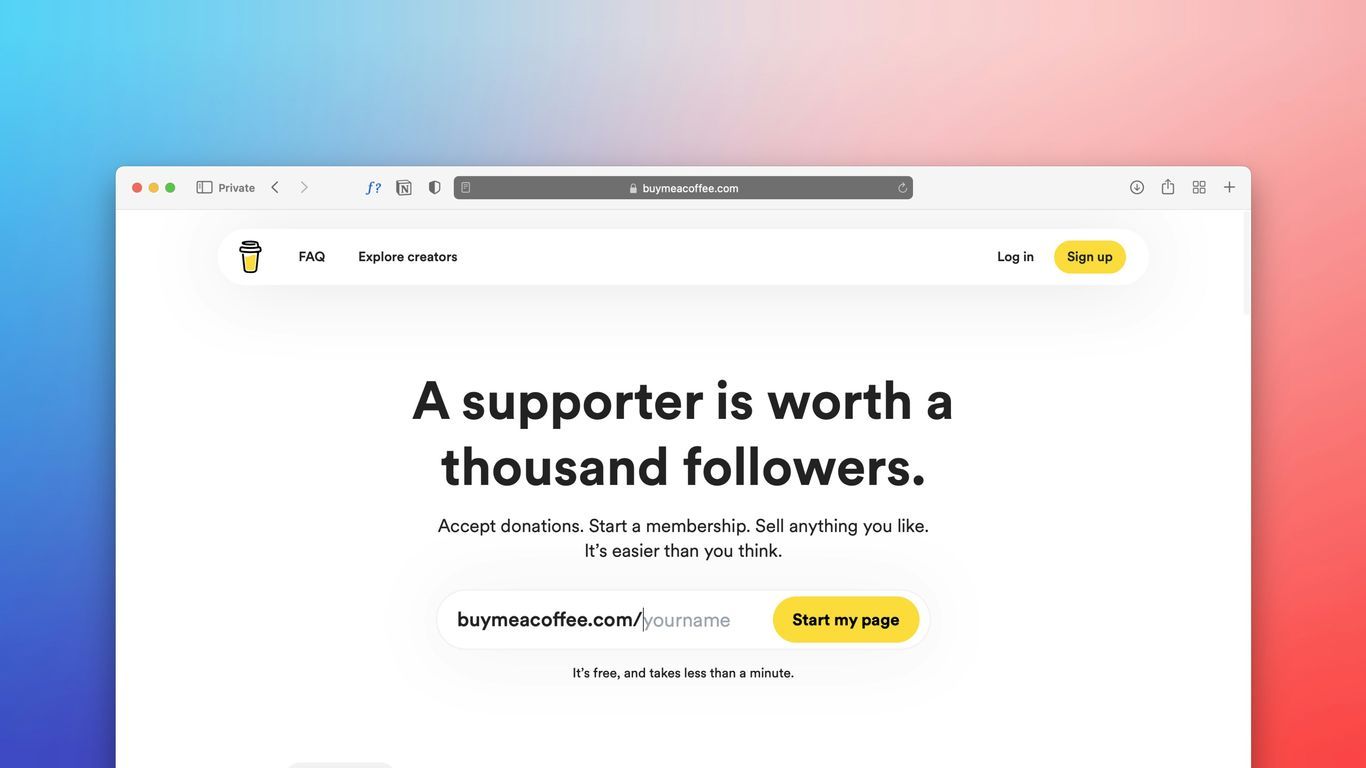
When you're facing financial difficulties, the very idea of asking for help can feel daunting. However, the digital age has opened up new avenues for support, and online fundraising platforms have become a significant resource. These platforms allow individuals to share their stories and connect with a wider network of potential donors, turning personal challenges into opportunities for collective aid.
How to Effectively Share Your Story Online
Crafting a compelling narrative is the key to a successful online fundraiser. It's about more than just stating a need; it's about connecting with people on an emotional level. Start by being open and honest about your situation. Explain what led you to this point, whether it was unexpected medical bills, a job loss, or another significant hardship. Detail the impact this is having on your life, not just financially, but emotionally as well. Clearly articulating how the funds will make a tangible difference can inspire greater generosity. Consider including specific examples or anecdotes that illustrate your struggle and your hopes for the future. Remember, vulnerability can be a powerful tool in building trust and encouraging support.
Setting Realistic Fundraising Goals
When you're setting a financial target for your fundraiser, it's important to be both specific and realistic. A clear goal gives potential donors a concrete objective to contribute towards. What does that mean for you? Instead of aiming for an overwhelming total, consider breaking down your needs into smaller, more manageable amounts. For instance, if your total need is $10,000, setting an initial goal of $3,000 might feel more achievable for both you and your potential supporters. This approach can encourage more people to donate, as they can see the immediate impact of their contribution. You can always adjust your goal upwards if the initial target is met.
The Benefits of Crowdfunding for Financial Relief
Crowdfunding offers several distinct advantages when you're seeking financial assistance:
- Wider Reach: Online platforms can connect you with a broad audience, extending well beyond your immediate circle of friends and family.
- Reduced Debt Risk: It provides a powerful alternative to high-interest loans or credit card debt, helping you avoid further financial strain.
- Community Building: It can foster a wonderful sense of community and shared purpose among your supporters.
- Transparency: Many platforms offer tools to track donations and communicate updates, which helps maintain transparency with your donors.
Starting an online fundraiser certainly requires courage, but it also offers a structured way to communicate your needs and receive support. By sharing your story authentically and setting clear goals, you can harness the power of collective giving to overcome financial obstacles and move towards recovery.
Seeking Professional Financial Guidance
Sometimes, the best way to get a handle on your finances is to bring in an expert. While friends and family can offer wonderful support, and government programs can provide a crucial safety net, professional guidance offers a structured approach to understanding and improving your financial health. This can be especially helpful when you're dealing with complex situations or when you simply want to build a solid plan for the future.
The Value of Financial Counseling
Financial counseling is about so much more than just balancing a checkbook. It involves working with a trained professional who can help you understand your current financial picture, identify areas where you might be struggling, and develop strategies to overcome those challenges. These counselors can assist with everything from budgeting and debt management to planning for long-term goals like retirement or buying a home. They provide an objective perspective—helping you see your situation more clearly and make truly informed decisions. Seeking advice from a financial advisor can help you create long-term strategies for your financial future, covering areas like retirement and savings with experts such as Fidelity investment advisors.
Learning to Manage Your Money Effectively
Professionals can teach you practical, real-world skills for managing your money. This often starts with creating a realistic budget that tracks your income and expenses. They can help you identify where your money is going and find ways to cut back on unnecessary spending. Beyond budgeting, they can educate you on topics like credit scores, debt reduction strategies, and the importance of saving. The goal is to equip you with the knowledge and tools you need to make sound financial choices on your own.
- Budgeting: Creating a detailed plan for your income and expenses.
- Debt Management: Developing smart strategies to pay down debt efficiently.
- Saving Strategies: Learning how to set aside money for both short-term and long-term goals.
- Credit Building: Understanding how credit works and how to improve your score.
Developing a Plan for Financial Recovery
Once you have a better understanding of your finances and have learned some effective management techniques, the next step is to create a concrete plan. A financial counselor can help you set realistic goals and outline the steps needed to achieve them. This plan might include specific targets for debt repayment, savings, or even investment. It’s all about creating a roadmap that guides you toward financial stability and security. Having a clear plan can make a world of difference in your ability to recover from financial difficulties and build a more secure future.
Working with a financial professional can provide much-needed clarity and direction when you feel overwhelmed by financial stress. They offer practical advice and unwavering support to help you regain control of your money and work towards your goals.
Remember, seeking professional help is a sign of strength, not weakness. It's a proactive step towards improving your financial well-being and building a more secure future for yourself and your family.
Protecting Yourself When Seeking Help
When you're in a tough financial spot, it's easy to feel overwhelmed and maybe even a little desperate. This vulnerability can make you more open to offers that might not be entirely legitimate. That's why it's so important to stay sharp and protect yourself from potential scams or unfair practices when you're looking for financial help. The unfortunate truth is that not everyone offering help has your best interests at heart, and some might try to take advantage of your situation.
Identifying and Avoiding Financial Scams
Scammers often prey on people who are in need. They might promise quick fixes or guaranteed results that sound too good to be true—and they usually are. Be wary of anyone asking for upfront fees for services that are typically free, like applying for government benefits or legitimate grants. They might also pressure you to act immediately or provide sensitive personal information like your bank account or Social Security number over the phone or via email. Always remember that legitimate organizations have established processes and won't rush you into a decision.
Verifying the Legitimacy of Assistance Offers
Before you accept any offer of help, take the time to verify its source. If an organization claims to be government-affiliated, check the official government website to confirm their existence and the services they provide. For non-profits or charities, look for their registration status and read reviews from other clients if possible. If a person is offering help, especially online, try to find some independent confirmation of their identity and the legitimacy of their offer. A quick online search or asking for references can save you a world of trouble.
Understanding Your Rights and Obligations
When you receive financial assistance—whether from a government program, a non-profit, or even a private loan—it's vital to understand the terms involved. This includes knowing what you're obligated to do, such as providing accurate information or repaying a loan by a certain date. Just as important is understanding your rights as a recipient. For instance, you have the right to clear information about the assistance, the terms of repayment if applicable, and the process for appealing decisions you disagree with. Always ask for written documentation for any agreement and read it carefully before you sign anything.
- Always get offers in writing. Verbal agreements can be easily misunderstood or forgotten.
- Never share personal identification details unless you are absolutely certain of the recipient's legitimacy and the necessity of the information.
- Be skeptical of unsolicited offers. If you didn't seek out the help, it's more likely to be a scam.
It's a difficult time when you need financial help, and the last thing you need is to be taken advantage of. Taking a few extra steps to verify offers and understand the terms can prevent significant problems down the line. Your financial well-being is important, and so is your security.
Moving Forward
Getting financial help can certainly feel overwhelming, but please remember that resources are available. Whether you're looking into government programs, seeking advice from financial professionals, or considering crowdfunding to connect with your community, taking that first step is what truly matters. Be clear about your needs, honest about your situation, and don't hesitate to ask for what you require. Many people have successfully navigated difficult financial times by reaching out, and with the right approach, you can too. Remember to express gratitude for any support you receive, and keep your focus on the plan to regain your financial footing.
Frequently Asked Questions
What's the first step to take when I need financial help?
Your absolute first step should be to understand exactly where you stand financially. Take a close, honest look at your income, your bills, and any debts you might have. Knowing your specific situation will help you figure out what kind of help you truly need and where to start looking for it.
How can I find government help?
Governments often have programs to help people with different needs, like housing, food, or medical costs. A good place to start is by searching online for 'government assistance programs' in your area or by using official tools like a 'Benefits Finder' if one is available. It's really important to check the eligibility requirements to see if you qualify.
Is it okay to ask friends or family for money?
Yes, it's absolutely okay. Friends and family can be a tremendous source of support, both emotionally and financially. Being open and honest about why you need help can make it easier for them to understand and want to offer assistance. Just be sure to express your gratitude for their support.
When should I consider using online fundraising?
Online fundraising, through platforms like crowdfunding sites, can be a great option when you need to raise a larger sum of money for a specific need, such as unexpected medical bills or an emergency. It gives you a platform to share your story with a wider network of people who might be in a position to help.
What is financial counseling and why might I need it?
Financial counseling means talking to a professional who can help you learn to manage your money more effectively. They can help you create a budget, get a handle on your debts, and make a solid plan to get your finances back on track. Think of it as a valuable investment in your long-term financial health.
How can I avoid scams when looking for financial help?
You have to be very careful about offers that seem too good to be true. Always double-check if the organization offering help is legitimate. Government agencies and well-known charities are usually safe bets. Never give out personal information or money upfront to someone offering assistance unless you are 100% sure they are trustworthy.


