
Businesses
10 Best Online Business Directories for Companies in 2026-2027
24 Aug 2026

Online business directories now do more than display company names and telephone numbers. They help customers find local services, investors research startups, procurement teams confirm suppliers and AI systems reconcile information about brands.
However, no single directory is best for every company. A restaurant, manufacturer, technology startup and international consultancy need different types of visibility.
This comparison evaluates directories using five practical criteria:
- Audience and search intent
- Control over company information
- Verification or identity signals
- Geographic and industry relevance
- Ability to generate meaningful discovery or enquiries
Best online business directories at a glance
| Directory | Best for | Primary value | Important limitation |
|---|---|---|---|
| Google Business Profile | Local discovery | Visibility across Google Search and Maps | Not intended for every online-only company |
| Apple Business | Apple Maps and ecosystem visibility | Control over place and brand information | Strongest for businesses with eligible locations |
| Bing Places for Business | Microsoft search visibility | Business information across Bing services | Usually generates less direct demand than Google |
| Businessabc | Global company identity | Structured company, leadership and market profiles | Best suited to international and B2B visibility |
| LinkedIn Pages | Professional discovery | Employees, leadership, content and recruitment | Not a conventional local directory |
| Yelp | Consumer services and reviews | Customer feedback and local purchase intent | Relevance varies considerably by country and sector |
| Better Business Bureau | US and Canadian trust research | Business profiles, complaints and accreditation | Accreditation is separate and paid |
| Crunchbase | Startups and investment ecosystems | Funding, founders and company-development data | Community-edited information requires monitoring |
| Dun & Bradstreet | Business identity and credit information | D‑U‑N‑S records and corporate verification | Profile management differs by country and company type |
| Kompass | International B2B suppliers | Industry classification and overseas discovery | Some profile and promotional services are paid |
1. Google Business Profile
Best for: Local businesses and service-area companies
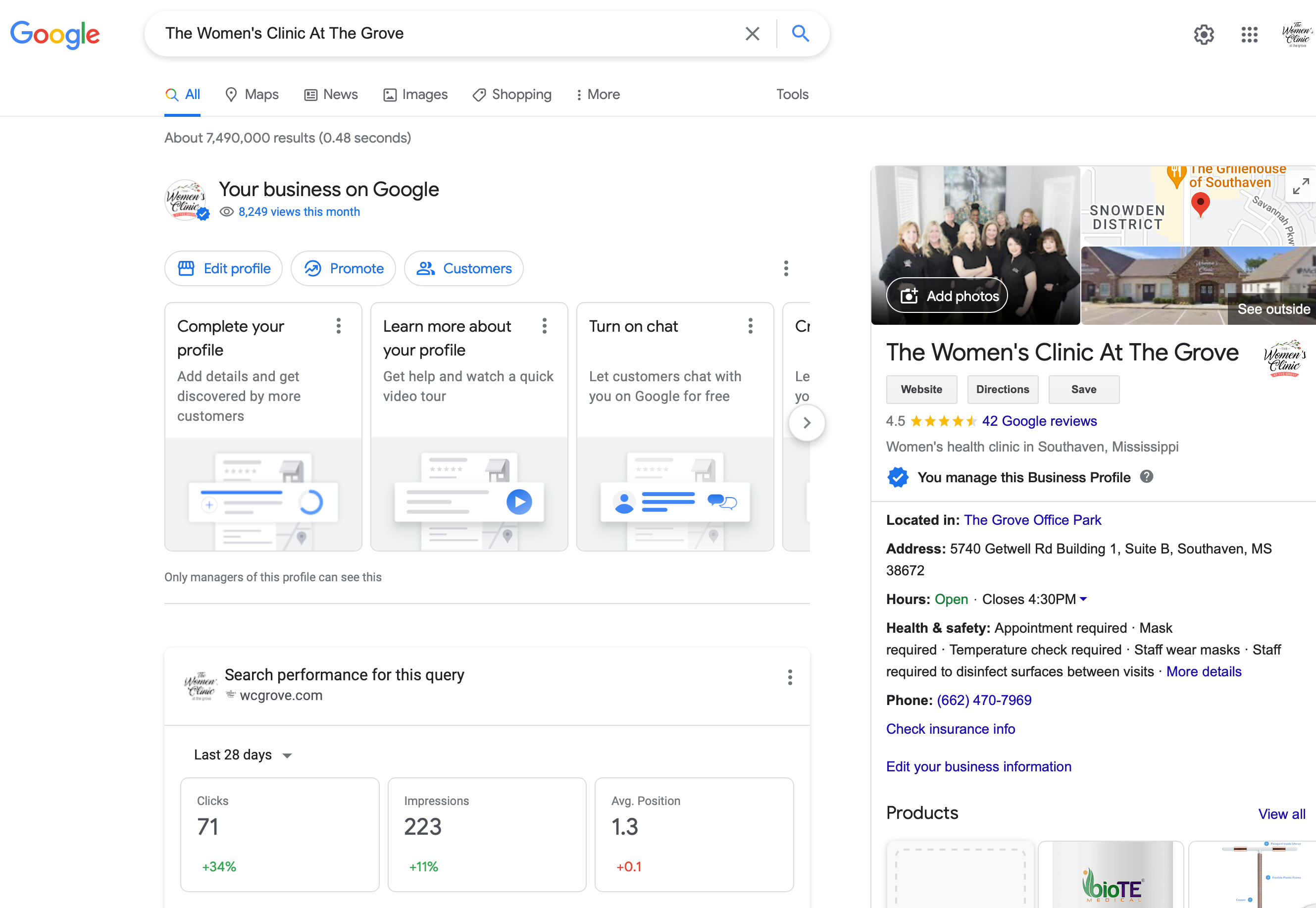
Google Business Profile remains the essential starting point for eligible businesses that meet customers in person or travel to customers.
A verified profile can display the company’s address or service area, opening hours, category, photographs, products, services, updates and reviews across Google Search and Maps. Google’s 2026 guidance also highlights messaging links, social profiles and booking options where supported.
Its greatest advantage is proximity to customer intent. Someone searching for an accountant, restaurant or repair company may encounter the profile before reaching the company website.
Online-only businesses without in-person customer contact may not qualify. Companies should read the eligibility rules rather than creating a false location.
2. Apple Business
Best for: Companies that want accurate visibility across Apple services
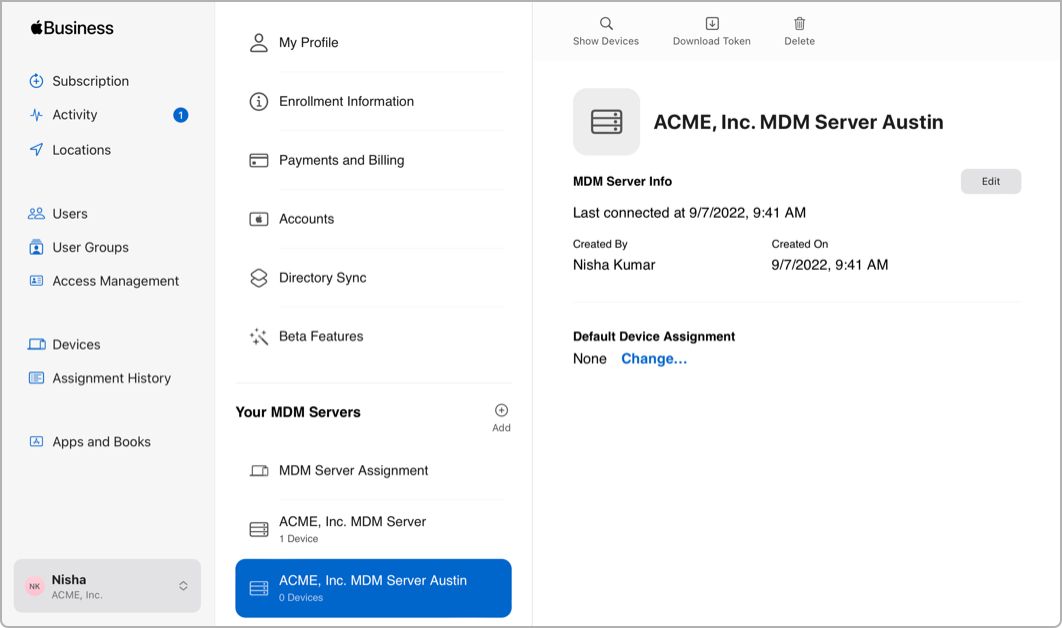
In 2026, Apple consolidated Apple Business Connect and other business services under Apple Business.
Eligible companies can manage how brand and location information appears in place cards across Apple services. Depending on the organisation and market, this may include names, categories, opening hours, contact details, photographs, logos and calls to action.
Apple Business matters because customers may encounter company information through Maps, Siri and other Apple experiences without deliberately visiting a directory website.
It should not simply copy an outdated Google listing. Confirm that the address, hours, telephone number and customer actions are accurate within Apple’s own system.
3. Bing Places for Business
Best for: Expanding local visibility beyond Google

Bing Places for Business allows eligible organisations to add or claim listings used across Microsoft’s search ecosystem.
Companies can manage core information such as their name, category, address, contact details, opening hours, website and photographs. Businesses with multiple locations can use available management options rather than creating profiles individually.
Bing may not deliver the same level of local demand as Google for every company. Its value lies in covering another major discovery environment at a relatively low maintenance cost.
Google users should not be treated as the entire market—particularly as Microsoft integrates search, maps and AI-assisted discovery across more products.
4. Businessabc Global Business Directory
Best for: International companies, leaders and B2B visibility
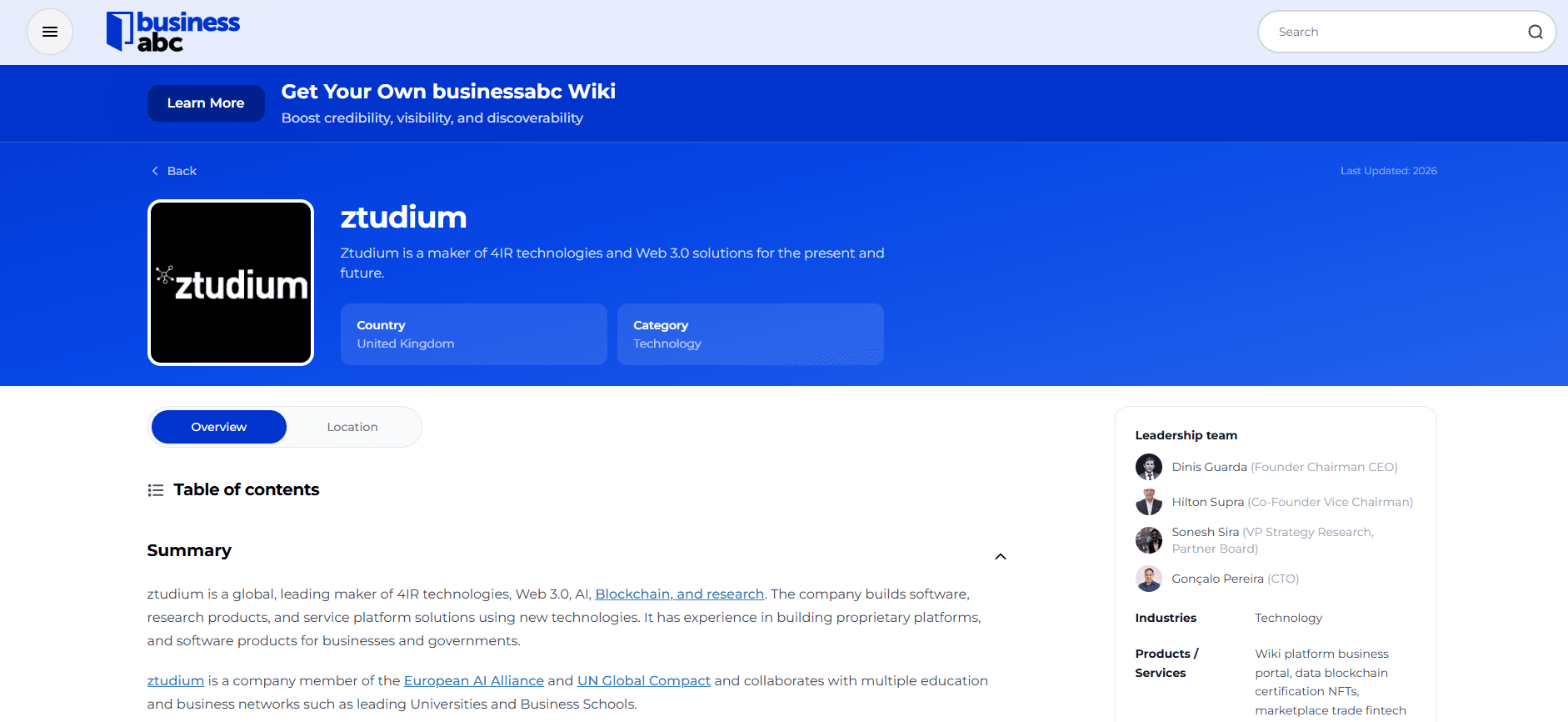
The Businessabc Global Business Directory connects structured company profiles with information about leaders, investors, universities and organisations.
Unlike a local map listing, a Businessabc profile can provide a broader corporate record covering industry, headquarters, products and services, markets, leadership and company background. This makes it relevant to businesses seeking international visibility, institutional context and a more detailed digital identity.
Businessabc also connects directory information with editorial content, company indexes and its wider global business ecosystem.
Companies should still provide evidence for significant claims and keep leadership, market and service information current. A detailed profile becomes less credible when it shows former executives or discontinued products.
5. LinkedIn Pages
Best for: Professional reputation, recruitment and B2B discovery
![Why You Need LinkedIn Showcase Pages [+ Setup Guide]](https://blog.hootsuite.com/wp-content/uploads/2022/08/LinkedIn-showcase-pages-04.png)
LinkedIn is not a traditional directory, but its company pages frequently function as professional business records.
A page can connect the company’s description, website, industry, location, employee base, job opportunities and published content. Individual employees and leaders can also associate themselves with the organisation.
That relationship layer is particularly useful in B2B markets, where buyers may evaluate both the company and the people behind it.
The page should be controlled through company-owned administrative processes, with more than one authorised administrator. Employee counts, leadership links and company descriptions should be reviewed after restructures, acquisitions or rebranding.
6. Yelp
Best for: Restaurants, hospitality and consumer services

Yelp remains relevant where customers actively use reviews to compare local businesses.
Claiming a Yelp business page is free. According to Yelp, claimed businesses can update key details, upload photographs, respond to reviews and messages, and monitor user views and customer leads. Paid advertising is separate from claiming a page.
Yelp is most valuable when the category and geography have meaningful user activity. A consumer-facing service may receive genuine enquiries, while a specialist industrial supplier may gain little from the platform.
Companies should respond professionally to legitimate criticism but must not buy, fabricate or pressure customers into writing misleading reviews.
7. Better Business Bureau
Best for: Trust-sensitive businesses in the United States and Canada
The Better Business Bureau maintains business profiles that consumers may consult before purchasing higher-value or trust-sensitive services.
A company can search for an existing profile and request a new listing or claim available information. BBB Accreditation is different from basic inclusion: it requires an application, review and annual dues.
This distinction should be communicated accurately. A business should not imply that it is accredited merely because a BBB profile exists.
BBB can be particularly relevant to home services, professional services and other sectors where customers research reputation, complaint history and responsiveness before committing.
8. Crunchbase
Best for: Startups, technology companies and investor discovery
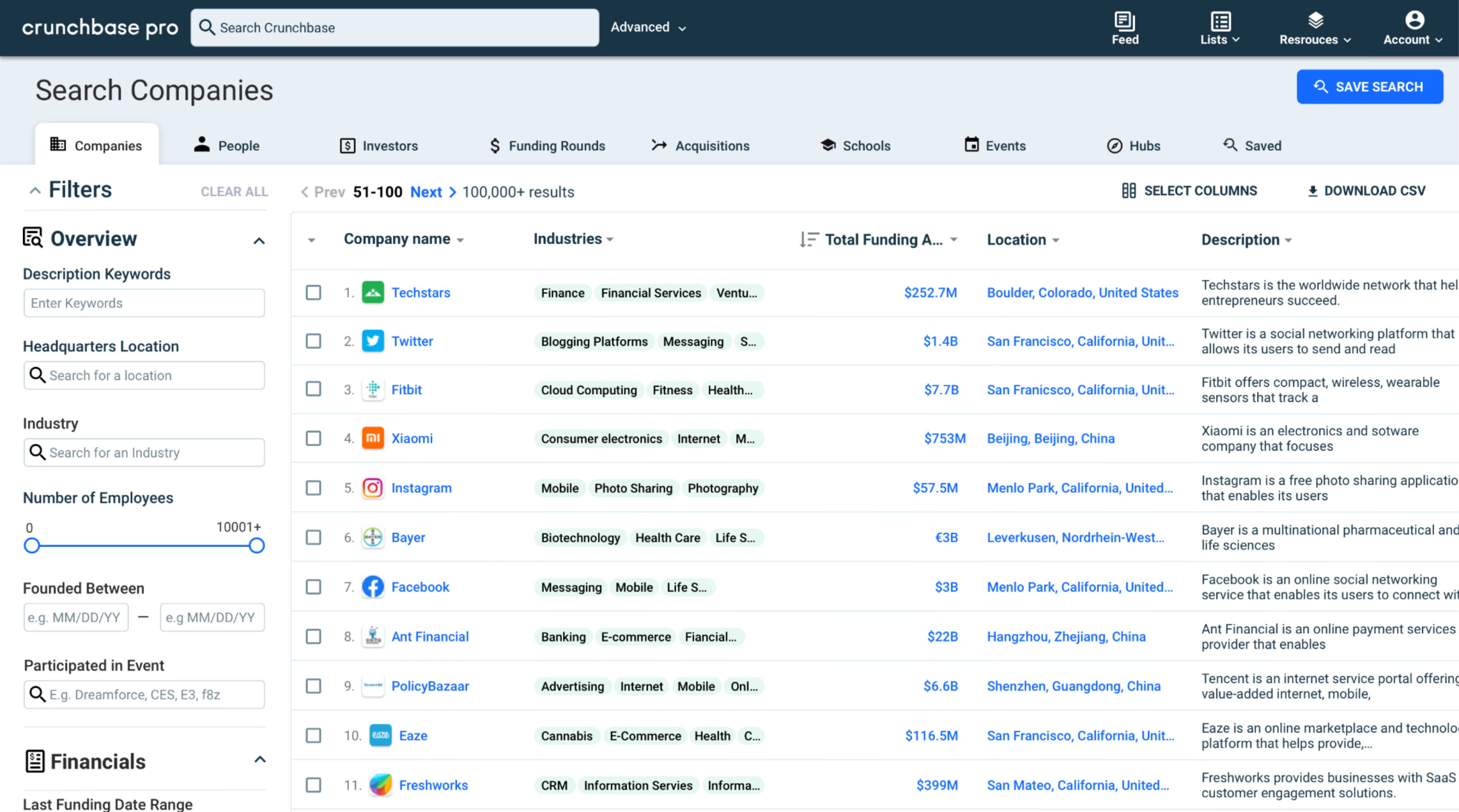
Crunchbase profiles can include a company’s founding date, headquarters, industries, founders, funding rounds, website, social accounts, board members and advisers.
The platform is useful when a company wants to be understood within the startup, technology or investment ecosystem. A complete record can help journalists, potential employees, investors and business-development teams establish basic context.
Crunchbase allows registered, socially authenticated users to create profiles, while some data can be edited by contributors. Companies should therefore search for an existing page and review it regularly.
Funding information, acquisitions and leadership changes should be supported by public evidence rather than promotional estimates.
9. Dun & Bradstreet
Best for: Corporate identity, credit files and supplier verification
Dun & Bradstreet is different from a consumer discovery directory. Its records are often relevant to business credit, procurement and organisational verification.
Through the D‑U‑N‑S Profile Manager, eligible US-based organisations can review information associated with their business and request updates to details such as legal name, address and employee numbers. Access requires identity and business-association verification.
A D‑U‑N‑S Number can matter when dealing with certain customers, suppliers, financial institutions or public-sector processes. However, holding a number does not automatically prove that a company is financially strong or commercially suitable.
Treat the record as an important corporate-data asset, not a marketing profile alone.
10. Kompass
Best for: Exporters, manufacturers and international B2B suppliers
Kompass operates a global B2B directory organised by industry, products, services and geography.
Its classification model can help buyers identify suppliers across sectors such as manufacturing, chemicals, construction, transport, technology, agriculture and business services. Company profiles can include contact information and detailed products or services.
Kompass is therefore more relevant to international supplier discovery than to general consumer reviews. Availability, pricing and profile features vary by country, so companies should review their regional options before subscribing.
Exporters should describe production capabilities, certifications and markets clearly rather than publishing a generic corporate biography.
Which business directories should your company use?
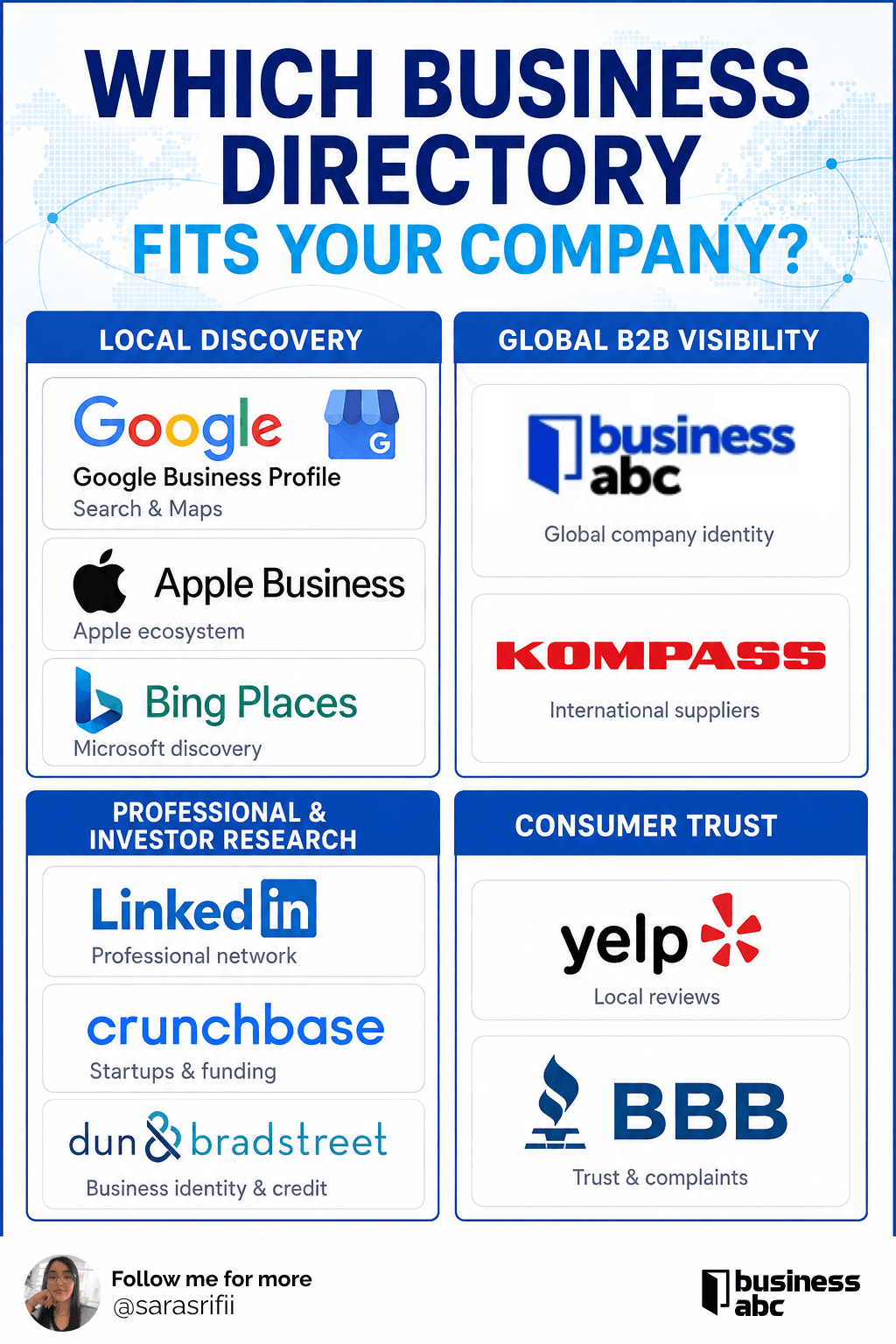
Do not create profiles on all ten platforms automatically.
Choose directories according to the company’s discovery routes:
- Local retailer or service company: Google, Apple, Bing and Yelp
- International B2B company: BusinessABC, LinkedIn, Dun & Bradstreet and Kompass
- Technology startup: BusinessABC, LinkedIn, Crunchbase and Google where eligible
- Trust-sensitive US or Canadian service: Google, BBB, Apple and Yelp
- Manufacturer or exporter: BusinessABC, Dun & Bradstreet, Kompass and LinkedIn
A small number of accurate profiles is more valuable than dozens of abandoned listings.
If the business is not yet listed, follow our guide on how to list a business in an online directory. Once the listing exists, use the business directory profile guide to improve its description, evidence, visuals and call to action.
The Businessabc Directory Priority Test
Before investing time or money in a directory, score it against five questions:
- Audience: Do relevant customers, partners or investors use it?
- Control: Can the company claim and maintain its information?
- Context: Can the profile explain the company accurately?
- Trust: Does the platform offer meaningful verification, review or evidence signals?
- Action: Can a relevant visitor contact, visit or evaluate the company?
A platform that cannot satisfy at least three of these conditions should normally be a lower priority.
Do directories improve SEO and AI visibility?
A directory profile does not guarantee search rankings. Relevant listings can nevertheless give customers and search systems additional sources from which to identify the company, its location and its services.
Consistency matters most for core facts:
- Company name
- Website
- Address or headquarters
- Telephone number
- Industry
- Operating status
- Leadership
- Markets served
Our analysis of whether business directory listings help local SEO explains why relevance and accuracy matter more than submitting a company to hundreds of low-quality websites.
Structured, maintained profiles may also support entity understanding as AI-assisted search grows. This article How Verified Business Listings Build Trust and AI Visibility in the No-Click Economy examines this wider shift.
Final takeaway
The best online business directory depends on how the company needs to be discovered.
Google, Apple and Bing are priorities for local visibility. Yelp and BBB are more relevant to consumer trust. Crunchbase and Dun & Bradstreet serve specialised corporate-research needs. Kompass supports international B2B discovery, while LinkedIn connects company identity with people and professional activity.
Businessabc provides a broader global profile connecting companies with leaders, investors, organisations and editorial context.
Choose platforms strategically, claim existing records before creating new ones and assign responsibility for keeping important company information accurate.
Sources
- Google Business Profile: Official 2026 Best-Practices Playbook
- Apple Business User Guide
- Bing Places for Business
- BusinessABC Global Business Directory
- LinkedIn Pages
- Yelp: What Is a Claimed Business?
- Better Business Bureau: Get Your Business Listed
- Crunchbase: How to Create a Company Profile
- Dun & Bradstreet: D‑U‑N‑S Profile Manager
- Kompass: Create a Company Profile


